Greece is entering the summer season with the strongest inflationary pressures seen in three years, as new data show that price increases are not easing and may intensify in the coming months. The latest figures highlight a widening gap between Greece and the Eurozone, raising concerns about the cost of living and the resilience of household budgets.
Inflation in Greece Outpaces the Eurozone
Consumer inflation in Greece reached 5.2% in May, significantly higher than the 3.2% recorded across the Eurozone. This two‑point divergence underscores the persistent strain on Greek households, which continue to face rising prices in essential goods and services. Despite expectations for a gradual slowdown, inflationary pressures remain entrenched.
Imported Inflation Drives the Surge
According to the Hellenic Statistical Authority (ELSTAT), the Import Price Index in Industry rose 18.4% year‑on‑year in April 2026, reversing a –6.3% decline recorded during the same month last year. This sharp turnaround reflects a powerful wave of imported inflation, driven primarily by non‑Eurozone markets.
- Import prices from non‑Eurozone countries surged 31.1%.
- Imports from Eurozone partners remained nearly stable at +2.5%.
The data indicate that global supply chain pressures and currency dynamics are pushing costs upward for Greek businesses, which are struggling to absorb the increases.
Energy Costs Continue to Climb
Energy remains the sector with the most dramatic price increases:
- +65.3% in overall energy import prices
- +80.4% in refined petroleum products
- +66.4% in crude oil and natural gas extraction
- +7.7% in electricity and natural gas supply (year‑on‑year), including +3.5% in a single month
These increases are expected to feed directly into household energy bills and business operating expenses, adding further pressure to the broader inflation picture.
Food Prices: Lower Input Costs, but No Relief for Consumers
Food manufacturing is the only category showing a year‑on‑year decline in import prices (–1.3%). However, this reduction has not translated into lower retail prices. High energy and transportation costs continue to offset any benefit from cheaper imported inputs.
Greek producers also face rising agricultural input costs, while prices in the rest of Europe are easing slightly. As a result, fresh food prices remain elevated:
- +11% in the first quarter of 2026
- +9.2% in April
- +7.9% in May
What to Expect in the Coming Months
With imported inflation running at 18.4%, businesses are paying significantly more for raw materials and fuel. Most cannot absorb these increases, meaning consumers are likely to face a new round of price hikes during the summer.
The peak tourist season- when demand for goods and services rises sharply- is expected to amplify these pressures.
A Challenging Economic Environment
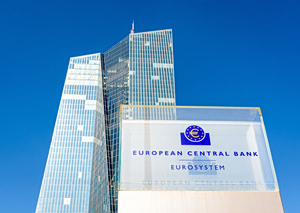
Persistent inflation across the Eurozone has prompted the European Central Bank to raise interest rates again, increasing borrowing costs and tightening liquidity. For Greece, this adds another layer of strain on households and businesses already grappling with rising prices.
Conclusion
All indicators point to a difficult summer for Greek consumers. Energy, imported goods and food prices continue to drive inflation higher, while the gap with the Eurozone widens. A meaningful slowdown in price pressures does not appear imminent.