 Μake us preferred on Google
 Inflation in Greece eased slightly to 5.2% in May 2026, down from 5.4% in April, according to the Greek Statistical Authority (ELSTAT). Despite the marginal slowdown, the cost of living continues to be driven upward by persistent increases in energy, housing, and food prices, maintaining pressure on household budgets and encouraging spending restraint.
Energy remains a key inflation driver, with natural gas prices rising 21%, electricity and heating fuels recording sharp gains, and petroleum products posting steep increases. Diesel rose 24.4%, while gasoline and heating oil both surged by over 21% and 53% respectively, underscoring the volatility linked to global energy markets and geopolitical tensions.
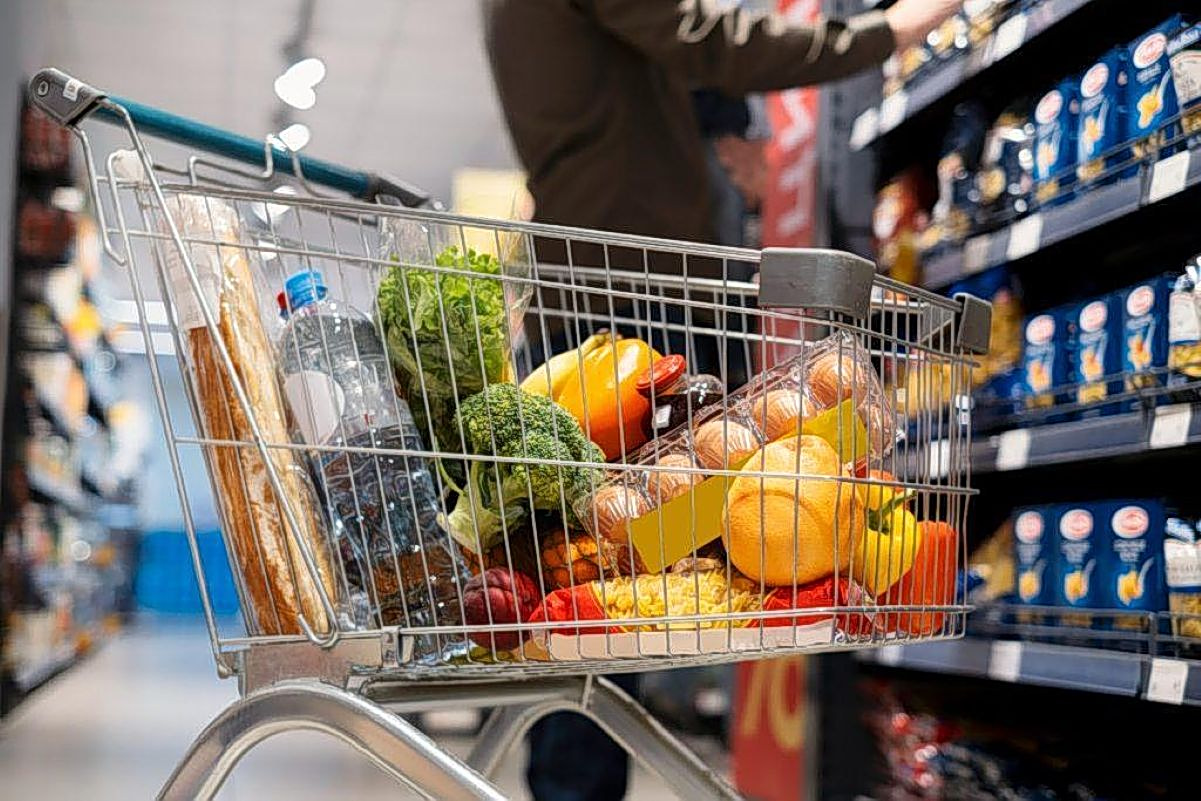
Food prices also continue to climb, with double-digit increases in several staples. Beef rose 17.6%, lamb 16.2%, and fish 12.6%, while broader food categories such as dairy, fruit, vegetables, and processed goods maintained upward momentum. Some declines were recorded in select items such as fresh fish and olive oil, but they were insufficient to offset overall increases.
Housing costs remain another major contributor, with rents up 7.7% and overall housing-related expenses rising 11.6%, reflecting higher costs for utilities, maintenance, and home services.
Services linked to leisure and hospitality also showed sustained inflation, with restaurants, cafés, and hotels increasing by 8.5% year-on-year.
In contrast, slight declines were observed in communication services and clothing, helping to partially moderate the overall index.
Across the eurozone, inflation stands just above 3%, raising expectations of further policy tightening by the European Central Bank in its upcoming meeting.