For Greeks, Lent and Clean Monday are unimaginable without halva. Behind this seemingly simple sweet lies a craft honed over centuries, a delicate balance of kneading, texture, and character. This guide highlights the Greek halva brands worth seeking out this year—from the classic “grocer’s” style to modern artisanal interpretations.
Every year, as Lent begins, halva returns to the table in ritual form. Beyond being a fasting-friendly treat, it is a symbol of the season, a carrier of memory and flavor, part of a cultural journey spanning centuries and borders. Tahini halva, in particular, tells the story of Greek gastronomy in every bite.
A Sweet History
The word “halva” itself hints at its multicultural roots. Derived from the Arabic “hulw” or “halwa”, meaning “sweet,” halva has traveled from Persia and the Middle East to the Balkans, the Eastern Mediterranean, India, and North Africa. Its preparation changes with every region—semolina, flour, carrots, lentils, or nuts can all take center stage.
In Greece, records of halva date back to the late 12th century. Over time, it became part of local cuisine with distinct versions. Today, three main schools dominate: semolina halva, tahini halva (also called Macedonian), and Farsala halva. Among these, tahini halva is most associated with fasting and the notion of a “purchased” sweet.
Older generations called it the “grocer’s halva,” to distinguish it from homemade semolina halva. Sold in large slabs, wrapped in parchment or stored in tins, it arrived at the table as a technically demanding, ready-made product. Its preparation is no trivial task. During Lent, halva becomes emblematic. Orthodox communities consume it from Cheesefare Week through Easter, as it contains no animal ingredients.
Today, the market offers everything from mass-produced varieties to small artisanal workshops where halva is still kneaded by hand. Modern trends also bring innovations: honey, stevia, whole-grain tahini, chocolate, dried fruit, or inventive flavor combinations.
Halva Worth Trying around Athens
Palia Kokkinia – Kretikos
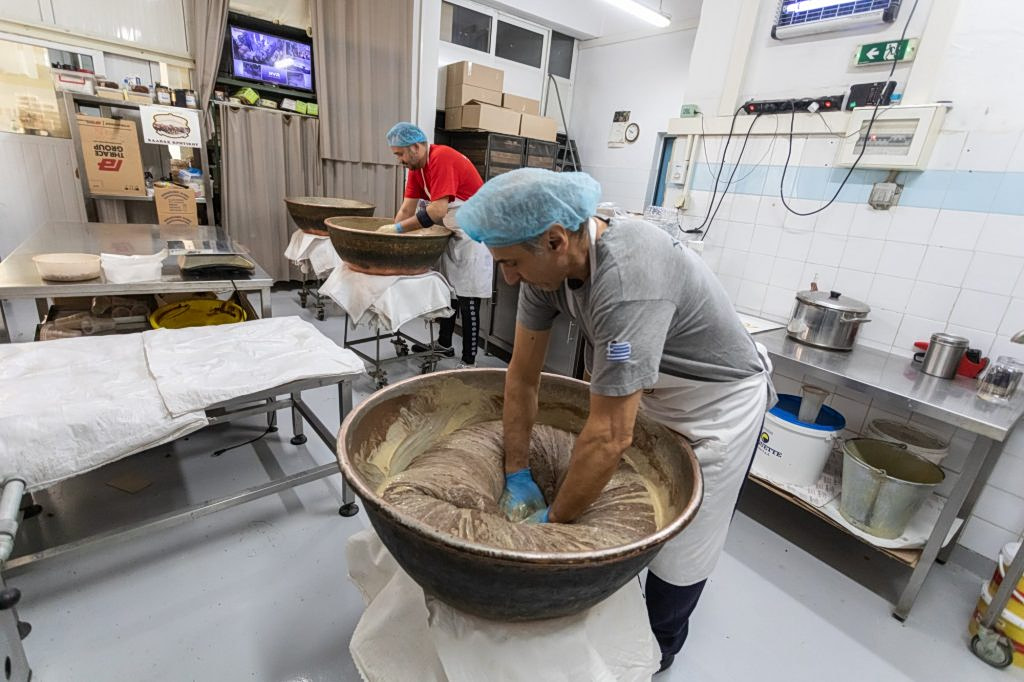
Following the Greek exodus from Smyrna, Emmanuel Kretikos settled in the refugee district of Nikaia. His halva represents a distinctly Asia Minor tradition, with texture and flavor reflecting generations of experience. Dense yet moist, with clear fibers and a stable, chewy structure, it melts slowly without leaving a heavy sugary aftertaste.
The sweetness is restrained; the tahini remains the star, and the aroma of roasted sesame is subtle and clean. Chocolate or nut additions complement rather than overwhelm the tahini—a testament to skill and quality ingredients. Perfect for a traditional Lenten table, served alongside a Greek coffee.
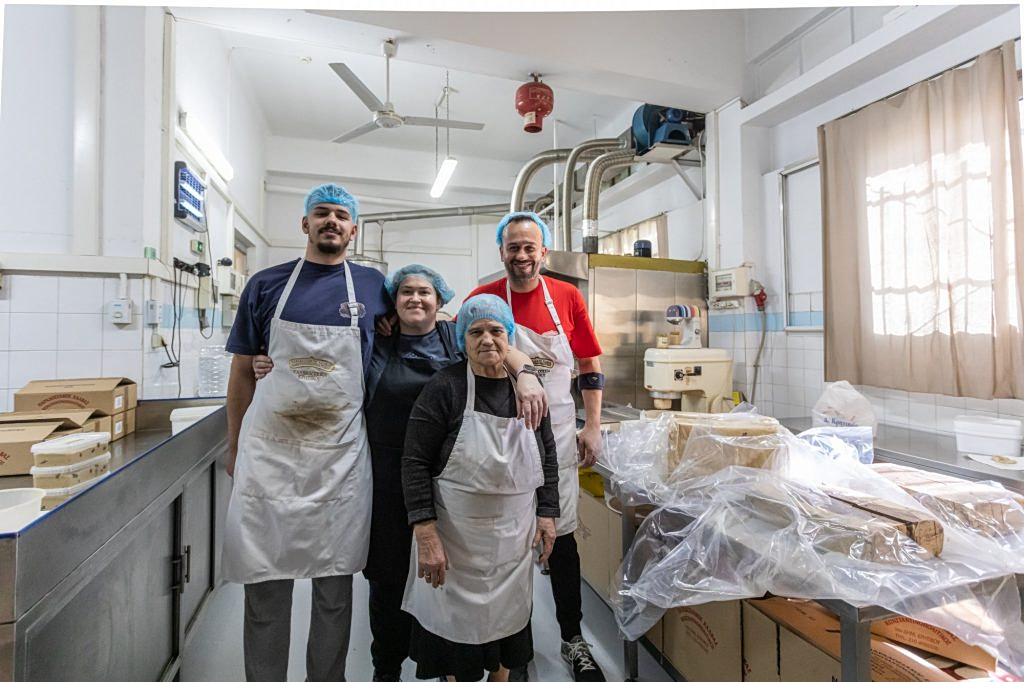
Serving tip: If refrigerated, let it sit for ten minutes at room temperature. Pair with Greek coffee or black tea. For a creative twist, top with a slice of orange and a sprinkle of cinnamon, wrap in parchment, and warm gently in the oven.
Drapetsona – Kosmidis-Gavrili
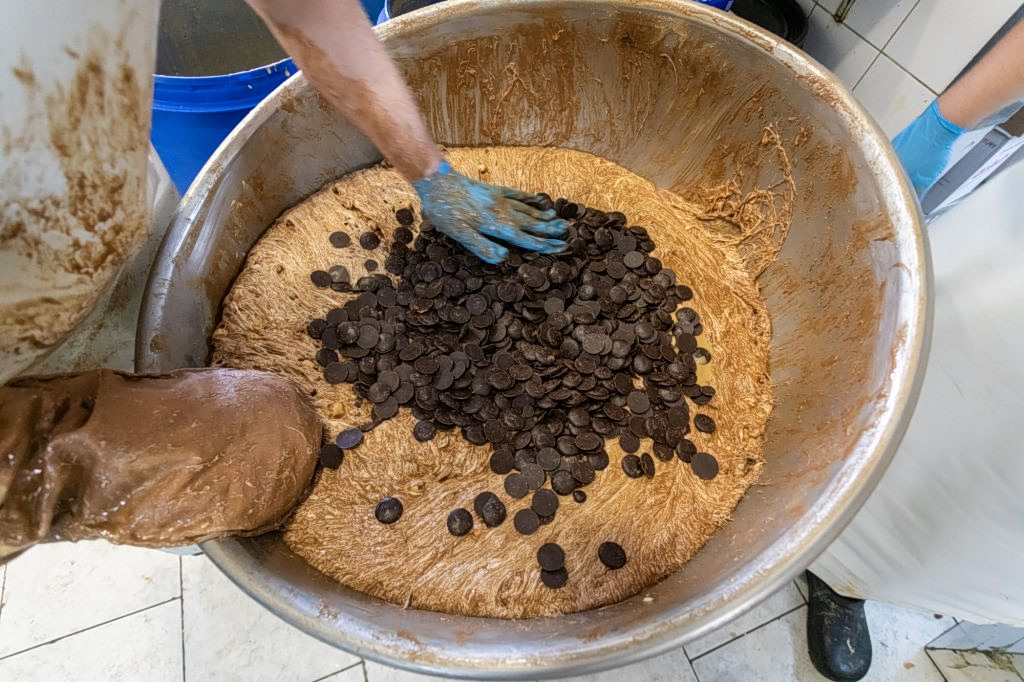
Drapetsona’s halva stands out with strong personality. Chewy, fibrous, crisp at first bite, and tender in finish, it reflects hand-kneading traditions. Sesame is pronounced, while the caramel base provides body without excessive sweetness. Its firm structure “holds” when cut, a marker of quality for many consumers.
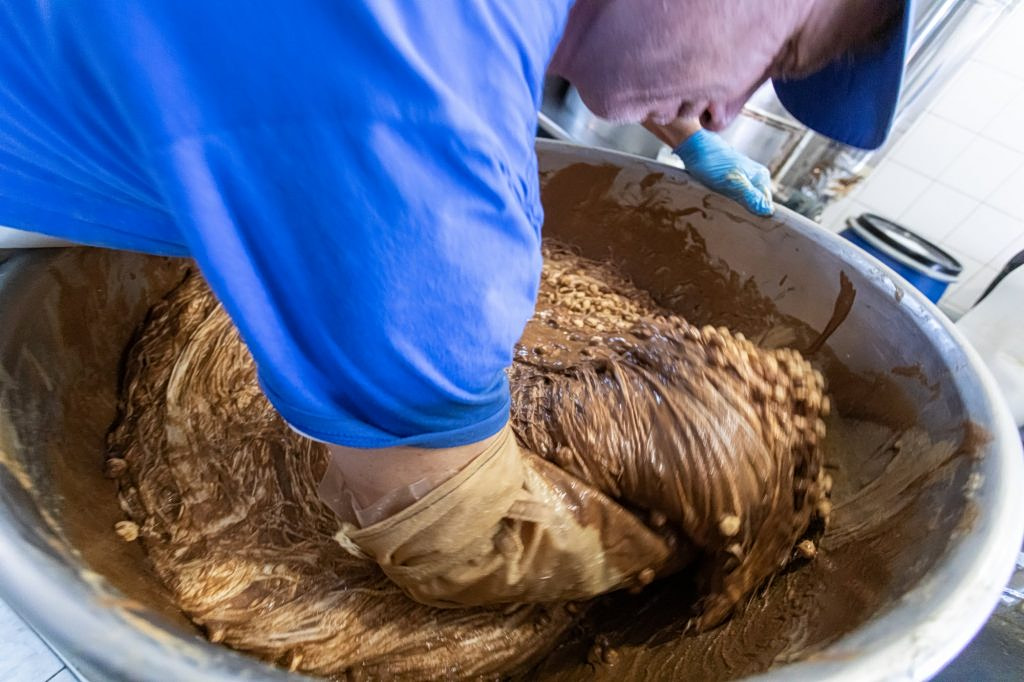
Variations with almond, carob honey, pistachio, or chocolate-hazelnut enhance without altering its core character, appealing to those who enjoy intensity and traditional chewiness.
Serving tip: Serve chilled in small cubes to highlight the texture. For a creative breakfast snack, add to a bowl with cocoa, dried fruit, and oats.
Drama – Eleftheriou Halva
The “Mastic Halva Eleftheriou” traces its roots to Axos in Cappadocia. The workshop’s identity is built around kneading, producing a deliberately chewy texture with prominent fibers and a bold presence on the palate.
Small-scale, family-run production preserves a “fresh kettle” feel. Tahini and glucose form the base, with selected versions omitting sugar or palm oil to suit modern diets. Highlights include halva bites—a hybrid of tahini halva, dark chocolate, and handmade orange marmalade—and halva cakes that bring tradition to a showcase dessert. Creative variations include hazelnut paste halva and panettone-style halva with raisins, orange, and chocolate.
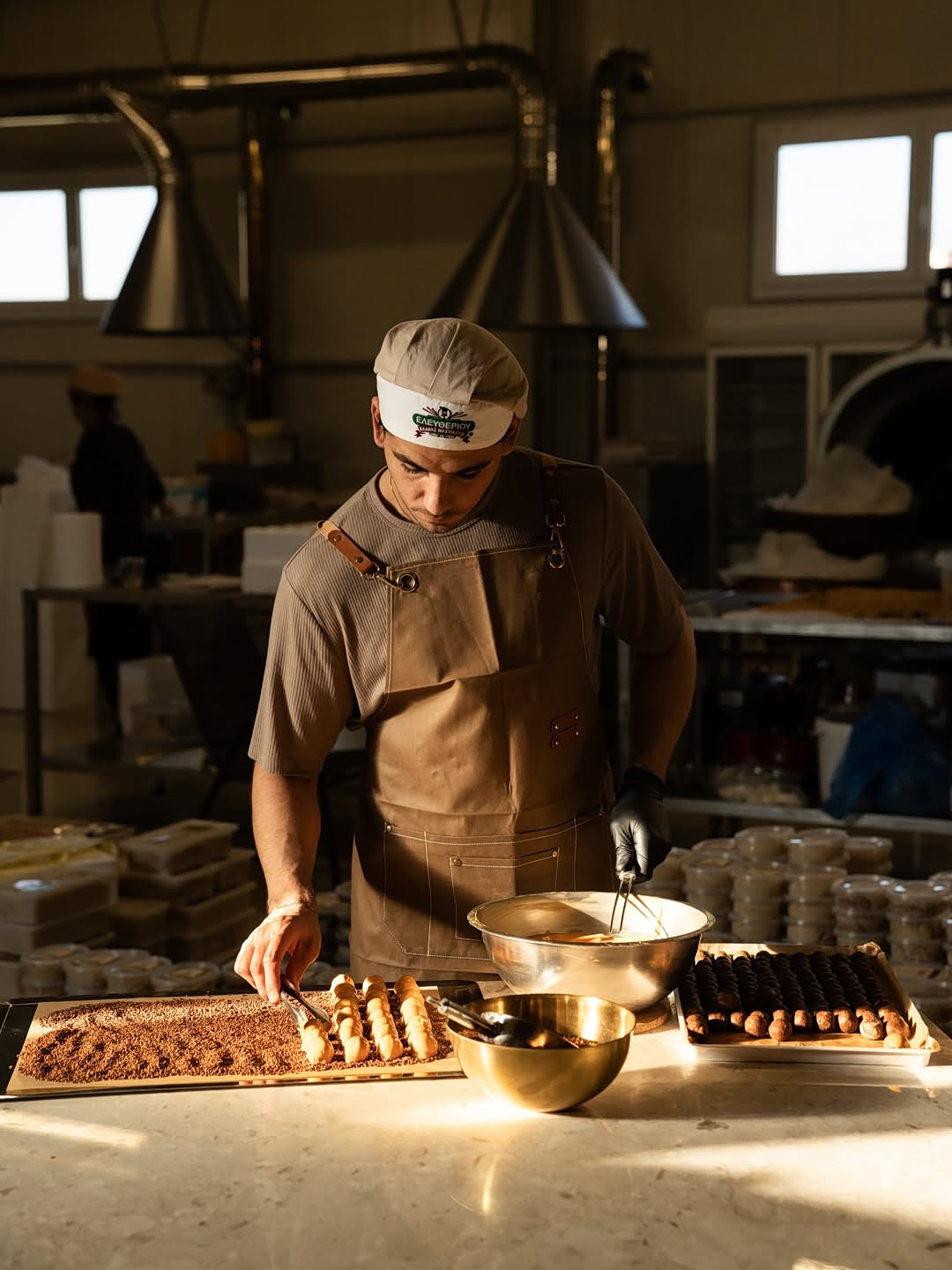
Serving tip: Serve at room temperature to highlight fibers. Halva cakes pair well with bitter drinks like espresso or filter coffee.
Piraeus – Argoudelis
Dating back to the 19th century with roots in Smyrna, Argoudelis produces a halva with fibrous structure allowing clean knife cuts without crumbling. High-quality sesame ensures pure flavor, balanced sweetness, and a roasted finish.
Classic flavors include vanilla, almond, and cocoa, while inventive versions incorporate Greek coffee, Aegina pistachio, or Chios mastic. The Ariston line is sugar-free, while the Premium line is modernly packaged for gifting or special occasions.
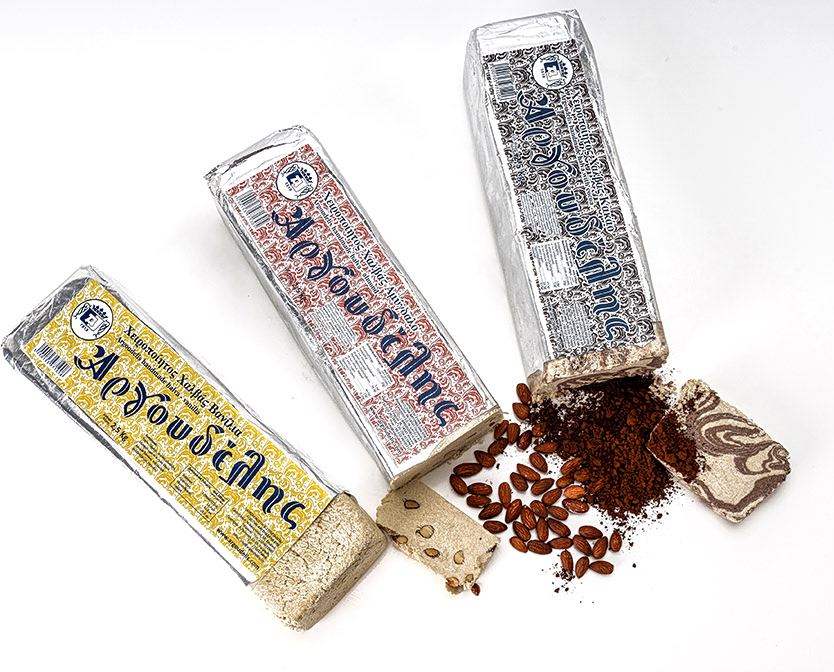
Serving tip: Try chilled to firm the texture, or in a simple Lenten “sandwich”: two soft bread slices with halva and thin slices of banana or orange.
Volos – Papagiannopoulos
A local institution since 1919, Papagiannopoulos blends traditional expertise with innovation. Medium-fibrous, pleasantly chewy, with rich aroma and balanced sweetness, their cylindrical “special” halva with cocoa, hazelnuts, and raisins has a loyal following. Additional flavors include espresso, honey, Chios mastic, cranberries, white chocolate, and sugar-free options.
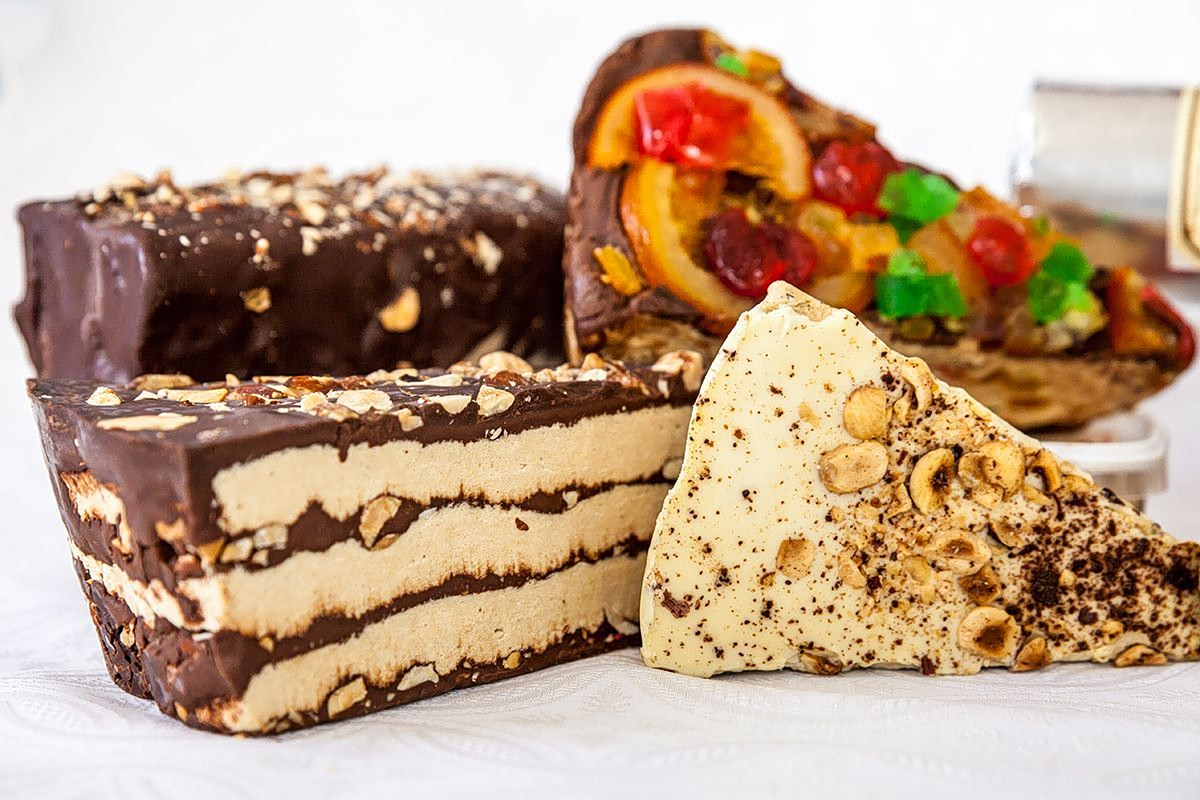
Serving tip: Slice thinly with a glass of water, or warm lightly with a scoop of kaimaki ice cream and drizzle of carob syrup.
Trikala – Sesamon
Sesamon bridges tradition with contemporary pastry artistry, using carefully selected sesame (HUMERA from Ethiopia, GEDAREF from Sudan) and handmade decorations of dark chocolate, nuts, and dried fruit. Flavors range from classic almond and chocolate to modern twists like arabica espresso, ruby chocolate with strawberry, caramelized hazelnut, and lemon–cinnamon. Sugar-free versions cater to health-conscious consumers.
Of particular note is matcha-stevia halva, where tahini blends with the distinctive bitterness of matcha, offering an adventurous alternative without losing the fasting-friendly base.
Serving tip: Serve as a dessert, with slices of ice cream, yogurt, or fresh fruit. Pre-cut halva cakes are perfect for visually impressive presentations.
A Sweet Choice for Every Table
Fibrous or fluffy, classic or daring, plain or chocolate-infused, halva now has many voices. The key is to choose the one that speaks to you and give it the place it deserves on your table this Lenten season.