 Μake us preferred on Google
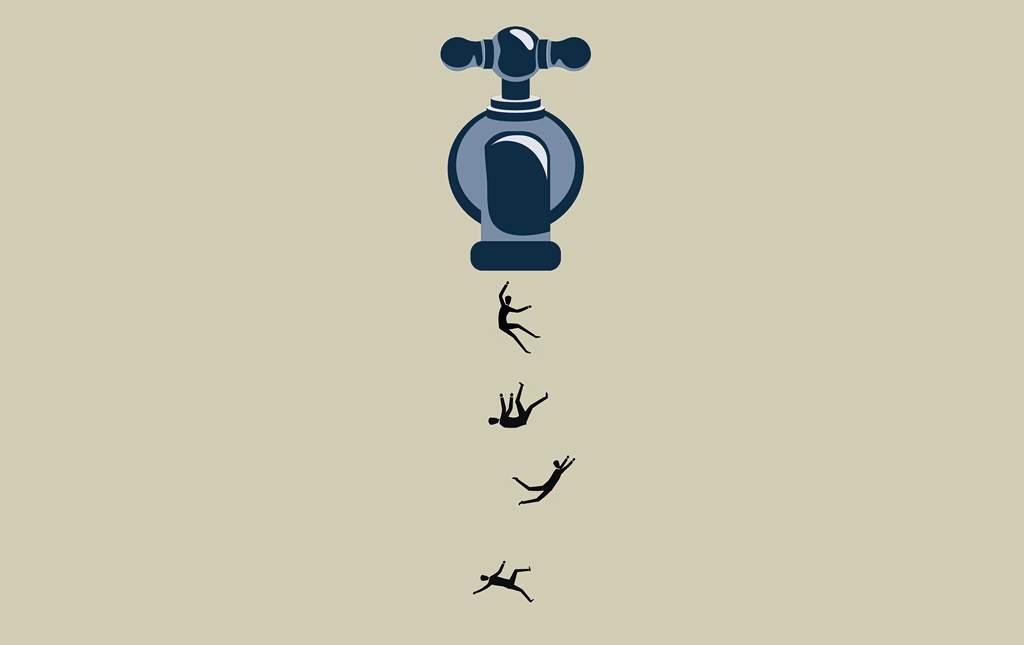
 Democracy does not always collapse with a bang. It often erodes silently, through small but systematic shifts of power, through the gradual weakening of institutional checks, and through the entrenchment of a political culture of impunity. In Greece in recent years, a series of events and cases has ignited intense public debate over whether we are witnessing such a process of democratic backsliding.
Article 86 of the Constitution, which governs the criminal liability of ministers, has repeatedly come under criticism, as it is seen to create a regime of special treatment and limited accountability for government officials. Regardless of the legislator’s intentions, the operation of this article has fostered the perception that political power is difficult to effectively scrutinize.
The wiretapping scandal and the surveillance of political figures and journalists raised serious questions about the functioning of the rule of law and the independence of oversight mechanisms. When the executive branch is associated, even indirectly, with surveillance practices, citizens’ trust in institutions is severely tested.
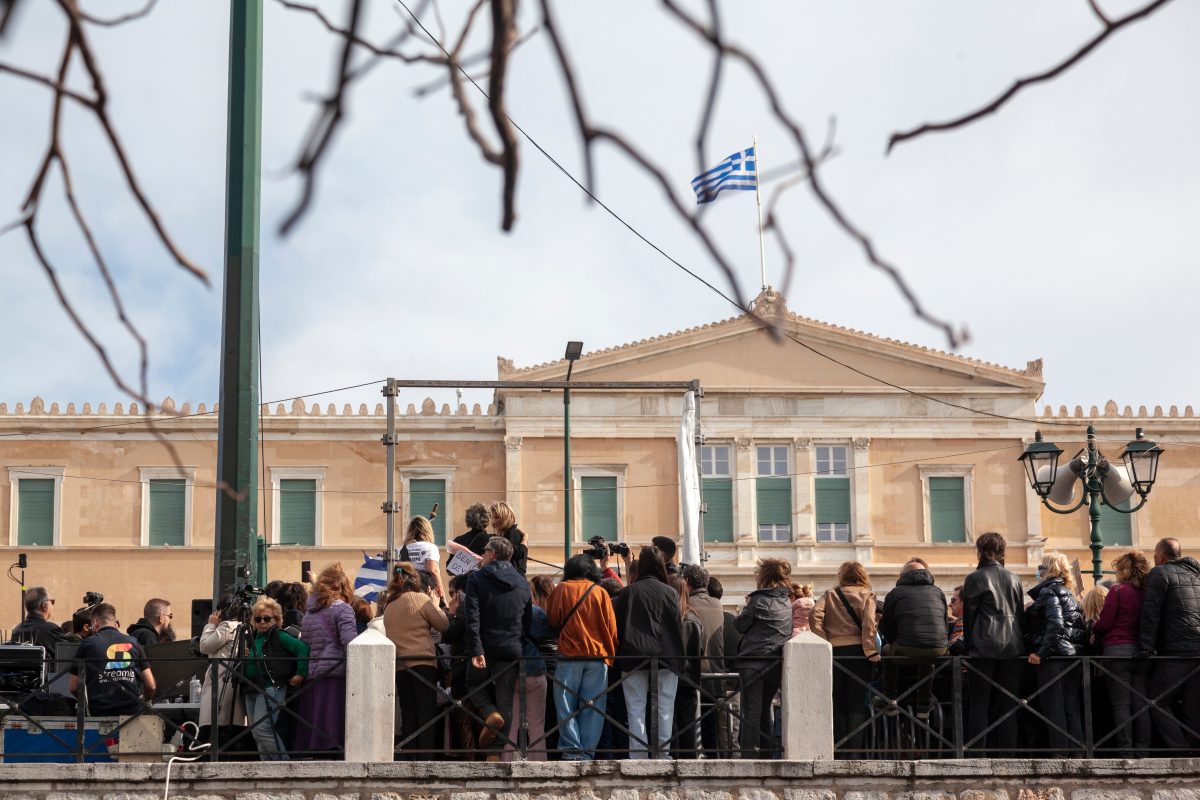
The tragic accident at Tempi was a collective shock. Beyond the human loss, it exposed issues of administrative incompetence, long-standing systemic failures and a possible cover-up. The public’s demand for full disclosure and accountability is not an act of opposition; it is a fundamental democratic imperative.
At the same time, the OPEKEPE scandal and allegations of mismanagement or a lack of transparency in the distribution of EU funds have reinforced the perception that oversight mechanisms are failing to function with the requisite rigor. When public money is linked to political responsibilities, openness is not a choice but an obligation.
At the international level, publications in European media—such as the German editorial that described the Greek Prime Minister as a threat to democracy—have further fueled the debate. Such statements, even when viewed critically, demonstrate that the country’s democratic credentials have become the subject of international scrutiny.
The question of judicial independence has also entered the public discourse. When suspicions of political interference or protracted delays arise in cases involving those in power, the institutional balance is disrupted. Democracy rests on the separation of powers and on the sense that no one is above the law.
The erosion of democracy does not necessarily arise from an open break with the Constitution. It can manifest as a gradual retreat of institutional guarantees, a weakening of accountability, and the normalization of opacity. The critical question is not whether elections are held, but whether institutions operate with genuine independence and equality before the law.
And justice for the victims of Tempi may well be the most meaningful step toward the renewal of our democratic conscience.