 Μake us preferred on Google
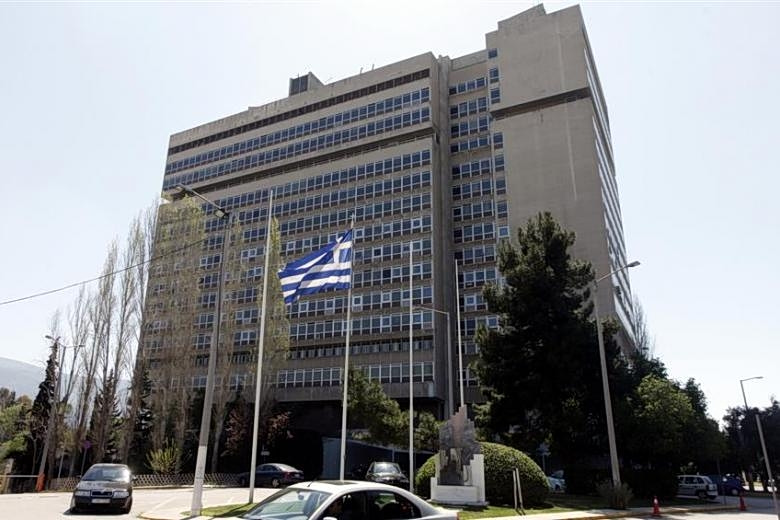
 Greece’s National Intelligence Service (EYP) on Wednesday released a new batch of declassified documents from its early years of operation, shedding more light on internal surveillance activity conducted in the country, analysis and even foreign relations during the 1950s Cold War era, i.e. the still traumatic post–civil war period.
The material, dating from 1953 to 1959 – when the agency operated under the acronym of KYP (Central Intelligence Service) – includes 123 documents spanning approximately 2,000 pages. The files, now publicly available on the agency’s website, contain intelligence bulletins, analyses and assessments on the so-called “communist threat,” a primary concern of the Greek state at the time.
The specific cache of documents – images of the documents to be precise – are written in a much more formal Greek than officially used today and at times appear as poorly maintained. The archive is here:
According to the present-day agency, the documents reflect the political and ideological climate of the era, marked by Cold War tensions and a deeply polarized domestic political landscape following the Greek civil war (1946-49). The content covers a wide range of topics, including developments in Soviet bloc countries, activities of Greeks abroad who are suspected of communist affiliations, internal security issues and conditions in prisons and places of exile for political detainees.
The archive also includes a second category of material concerning regions of strategic interest to Greece, such as the Balkans, Turkey and the Middle East.
The release of the latest cache marks the second phase of a broader declassification initiative, following the release in November 2024 of intelligence bulletins related to Cyprus during the events of July-August 1974. The agency stated that the long-term goal is to establish a systematic process that will gradually make historical records accessible to researchers and the public, particularly regarding periods considered sensitive or controversial.
“These documents must be understood within the context of their time,” EYP director Themistoklis Demiris said, while emphasizing that both the content and language of the reports are shaped by the anti-communist climate of the 1950s, when the Communist Party (KKE) was outlawed and fears of political instability were widespread.
Demiris added that the initiative aims to promote a more balanced and critical understanding of Greece’s recent history. “This process contributes to a collective, sober, and self-critical reflection that is essential for every democratic society.”
A press release said further efforts to locate and declassify archival material will continue, with future releases expected as part of an ongoing transparency initiative.