 Μake us preferred on Google
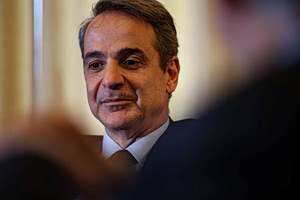
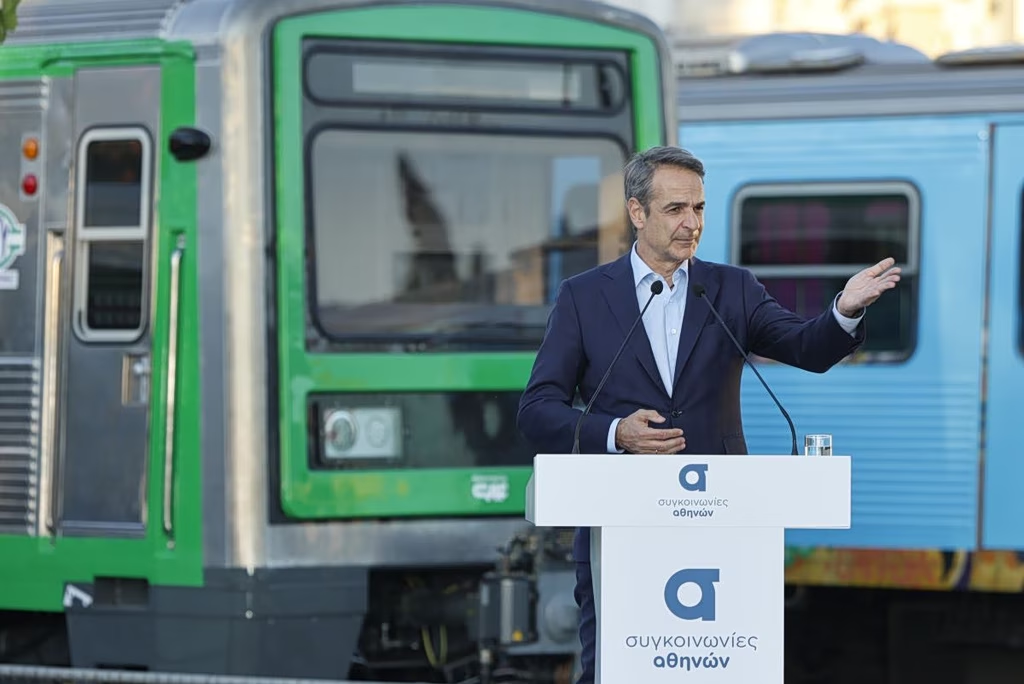
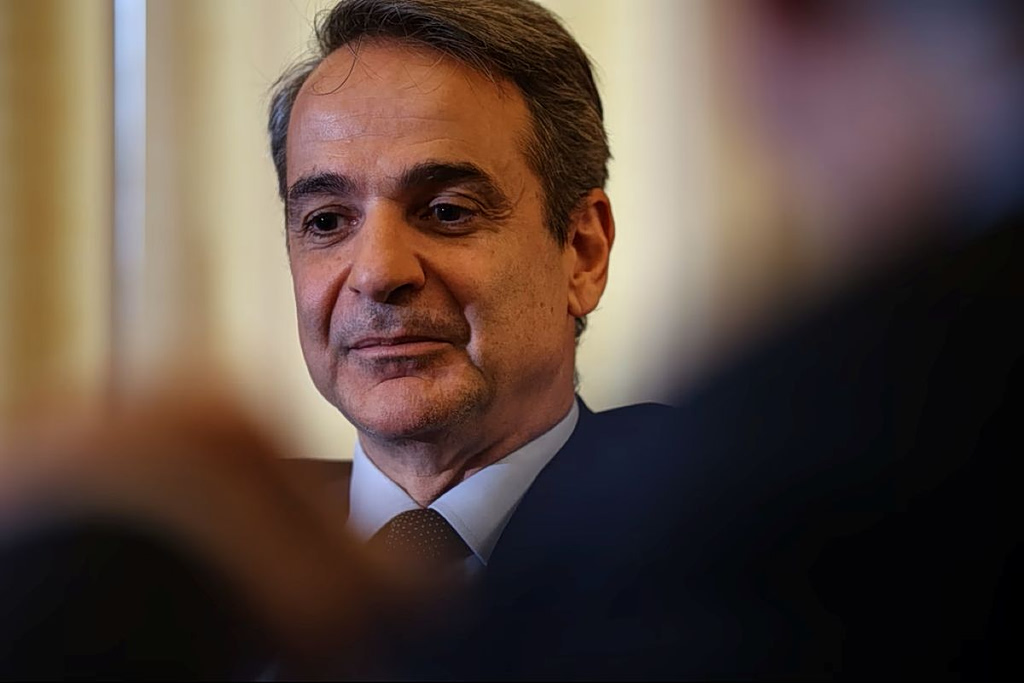
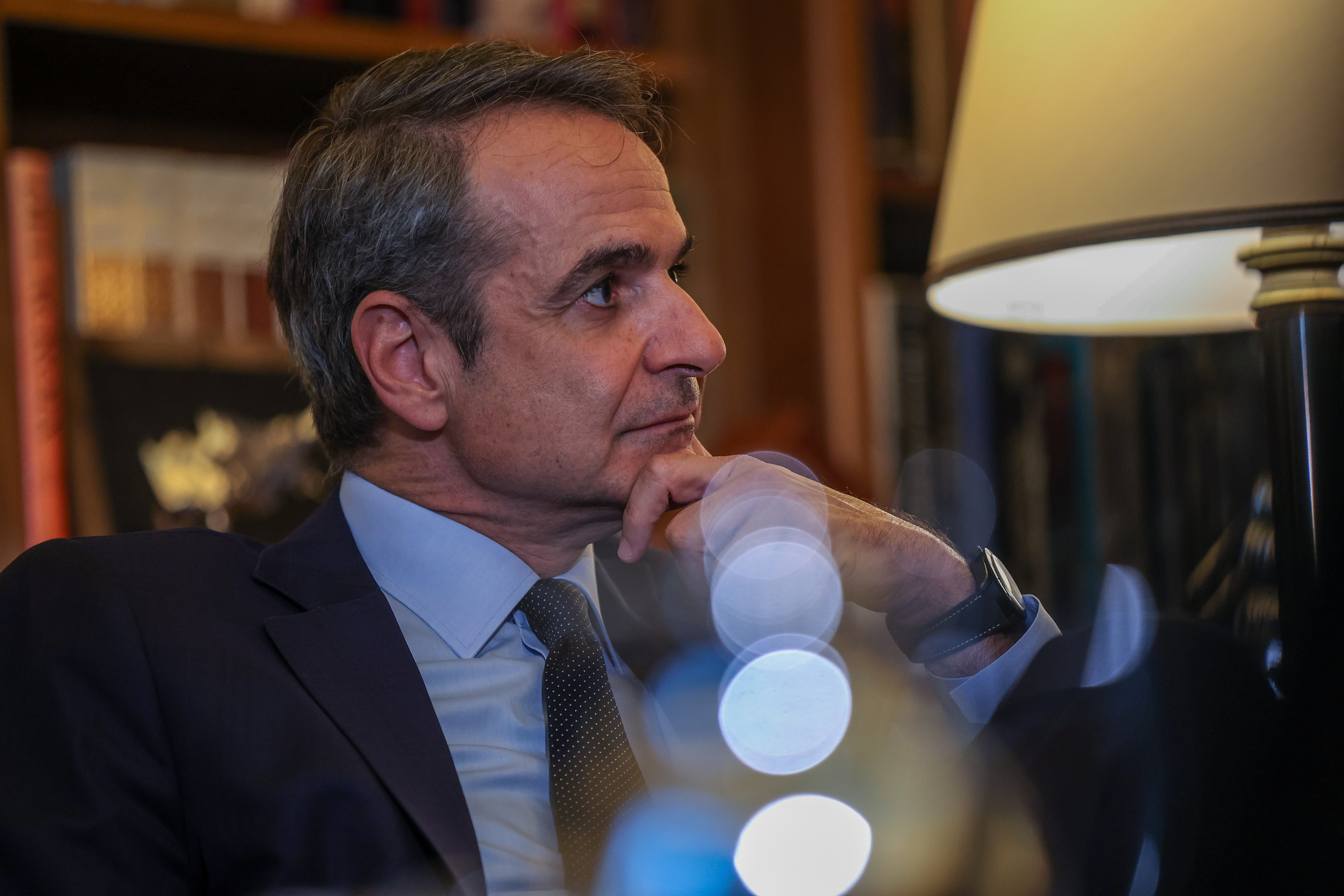
 Greece’s ruling New Democracy party has entered what government insiders describe as full election mode, with Prime Minister Kyriakos Mitsotakis and his inner circle rolling out a recalibrated political strategy built around showcasing government achievements and projecting an image of responsible governance.
According to reporting, the government has commissioned increasingly targeted polling, including regional and qualitative surveys, to map voter sentiment with greater precision. American political consulting firms, which New Democracy has used in previous election cycles, have also been brought into the process, providing data, analysis, and weekly strategic guidance.
The emerging approach centers on what government officials are calling a “war on toxicity.” The prime minister and his government will avoid what they describe as pointless political battles that poison public life, instead focusing on policy delivery and tangible results for citizens. Government officials cited Mitsotakis’ recent visit to Sparta as evidence that voters are focused on practical concerns, including better infrastructure, hospitals, and living standards.
The government has also signaled a clear position on possible electoral outcomes. Officials say there will be no second ballot, meaning that even if New Democracy fails to win an outright majority, the party will seek a coalition government rather than allow the country to enter a cycle of successive elections without a functioning government.
On the new parties taking shape in the opposition, the government’s posture is dismissive. Tempi activist-turned-politician Maria Karystianou announced her new party on Thursday, and former prime minister Alexis Tsipras is expected to announce his on Tuesday. Officials declined to engage directly with either development. “It is not our job to respond to the personal agenda of former or prospective politicians,” government officials said. “Our obligation and priority is to respond to the agenda set by society, with policies, with deliverables, and by correcting the mistakes the public asks us to correct.”
Officials also tried to frame the emergence of new parties as part of a broader trend in which personal political agendas are converted into party vehicles or political attacks.