 Μake us preferred on Google
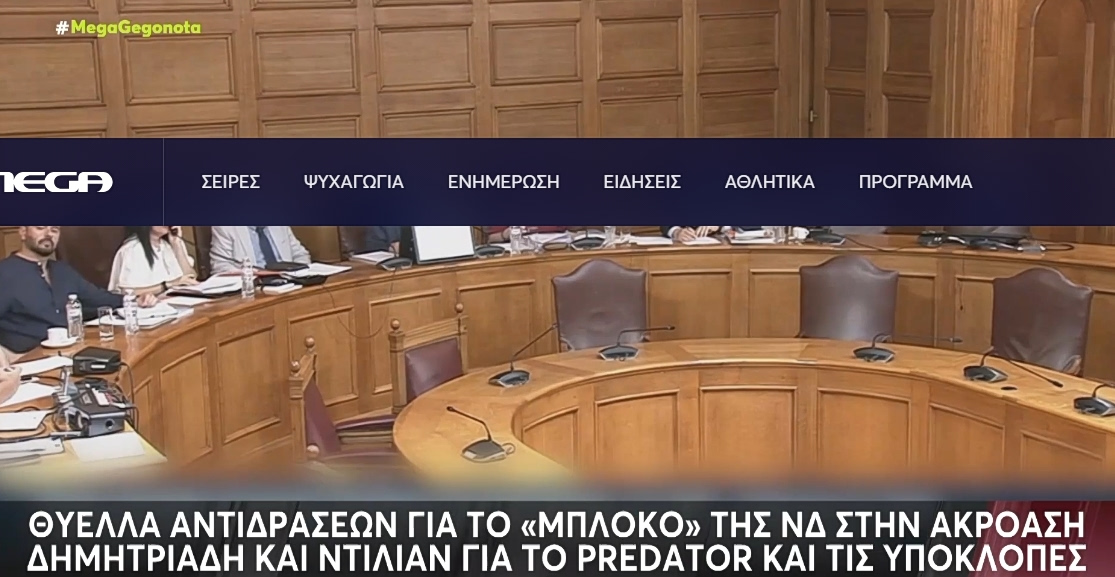
 Greece’s ruling New Democracy (ND) party majority in Parliament this week rejected a renewed opposition demand to summon former prime ministerial secretary general Grigoris Dimitriadis and Intellexa founder Tal Dilian before the legislature’s institutions and transparency committee, intensifying the political dispute over the long-running Predator spyware affair.
View this post on Instagram
Opposition parties described the decision as an institutional obstruction, noting that the same committee, under the same chairman, had summoned both men in 2022 following the emergence of the surveillance scandal. They also rejected former justice minister Makis Voridis’ argument that the pair are no longer public figures and therefore need not appear before the committee.
“I expect the judiciary, if it believes I can contribute as a victim, to tell me, ‘We found them, come and tell us what you know,'” Voridis said, referring to his own alleged targeting by the Predator spyware.
View this post on Instagram
Zacharias Kesses, a lawyer representing Predator surveillance victims, criticized the minister’s position, saying Voridis’ failure to file a criminal complaint over alleged illegal access to an information system had contributed to the acquittal of defendants and the termination of criminal proceedings. He also argued that the minister’s claims of ignorance were inconsistent with the legal advice he would ordinarily give clients.
According to the opposition, Dimitriadis’ public comments ahead of the committee meeting reinforced what it described as an effort to shield those involved in the case. The former government secretary general, who resigned in 2022 following revelations surrounding the surveillance affair, said he had already testified twice and suggested the opposition was acting in concert with vested interests.

The renewed dispute follows weeks of mounting pressure over the spyware case. According to To Vima, opposition parties have sought the appearance of Dimitriadis and Dilian after fresh allegations concerning purported links between Intellexa and Greece’s National Intelligence Service (EYP), including claims of a 2020 cooperation agreement and documentary evidence allegedly held by Dilian. The government has denied wrongdoing and any involvement in illegal surveillance, while opposition lawmakers argue that further parliamentary scrutiny is needed to clarify the remaining questions surrounding the affair.
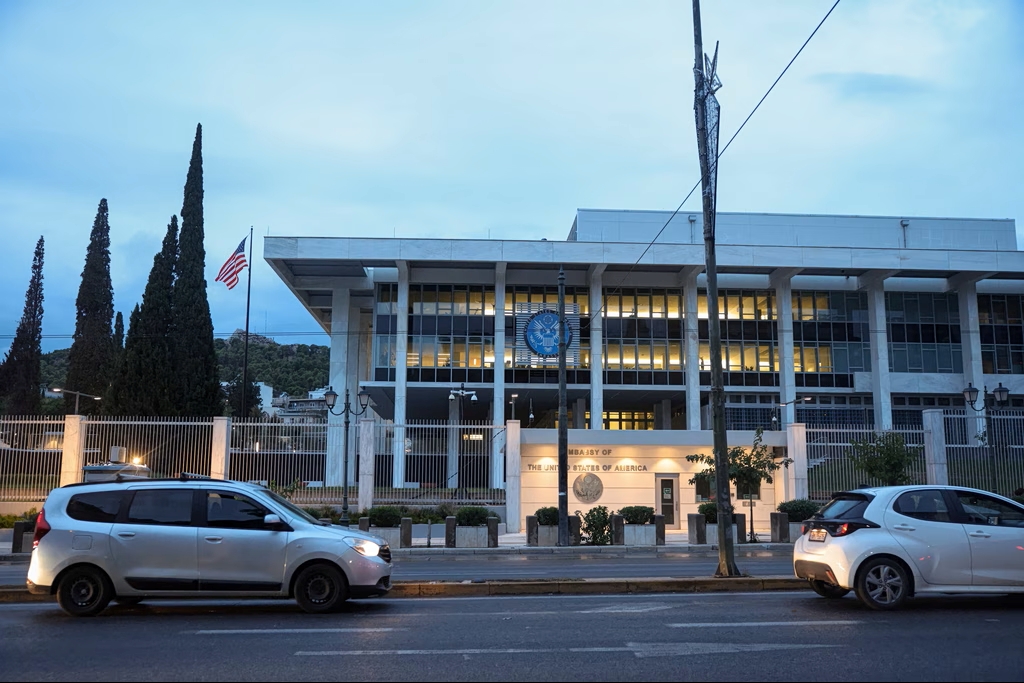
The controversy has also drawn attention in the United States, where several alleged Intellexa spyware victims have been identified. According to the report, five Democratic senators have sent a letter to US Secretary of State Marco Rubio and Treasury Secretary Scott Bessent seeking information on the implementation of US sanctions related to the spyware company.
Separately, former European Parliament member Stelios Kouloglou said he believes the Greek government was behind his surveillance using the Pegasus spyware, alleging that Greek intelligence services requested assistance from the intelligence services of another country to monitor him. Kouloglou did not provide evidence to support the allegation, and the Greek government has consistently denied conducting unlawful surveillance.