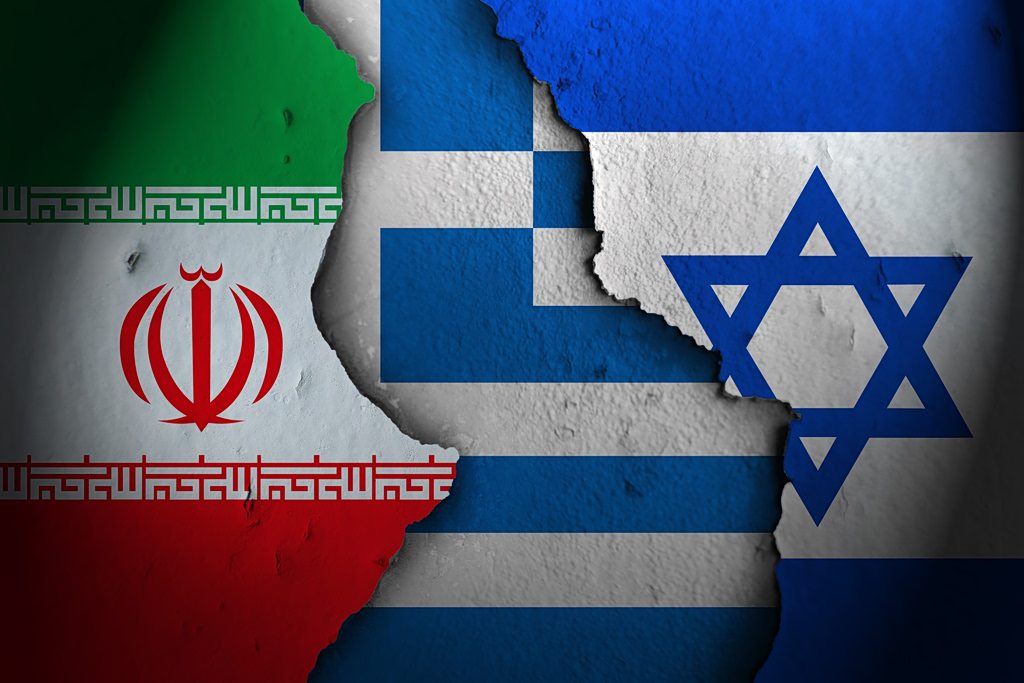
Athens has been watching events in Iran and the wider Middle East unfold with mounting concern from the very first moment the crisis began. At the top of the government’s agenda is the safety of Greek citizens across the region.
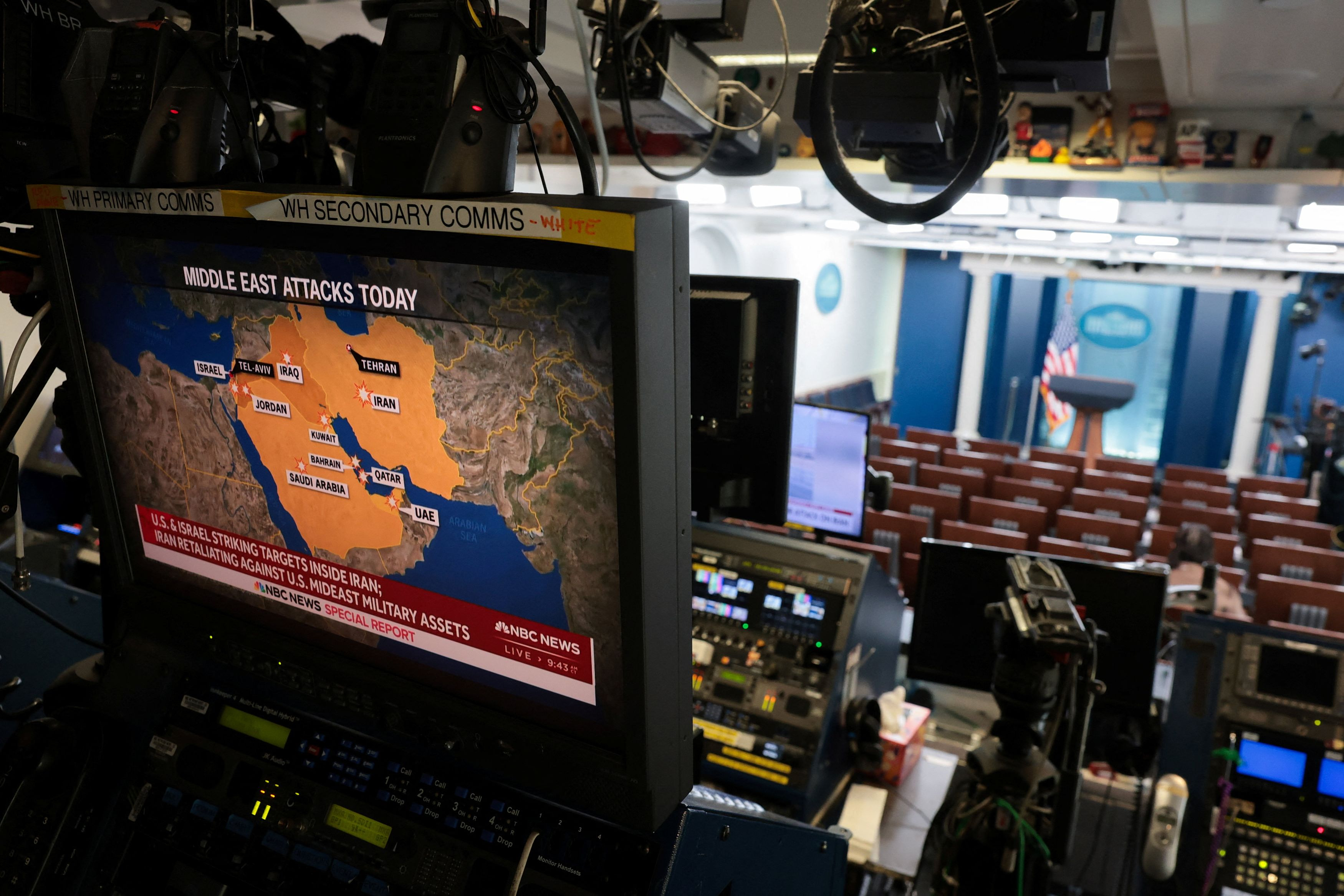
The call from the Greek side is clear: restraint must prevail to prevent further escalation. All the while Israel is announcing that its strikes against Iran are set to intensify, deepening fears of a broader confrontation in an already volatile region.
Greece’s approach resembles a balancing act. On the one hand, the administration is trying to underscore the urgent need to protect civilians and uphold International Law. On the other, it acknowledges what it calls the necessity of effective oversight of Iran’s nuclear and ballistic missile programs; aimed at preventing Tehran from acquiring a nuclear weapon and preserving regional stability.
Prime Minister Kyriakos Mitsotakis made clear in his regular weekly Sunday review that Athens is continuously assessing developments and their potential impact geopolitically, economically and in terms of national security.
Over the weekend, the PM held a series of calls with regional leaders in Cyprus, Qatar, the United Arab Emirates and Saudi Arabia, coordinating positions and exchanging assessments as tensions mounted.
Direct Lines to Greeks in the Region
At the same time, Foreign Minister George Gerapetritis was in constant contact with counterparts in countries directly caught up in the crisis and across the wider region, as well as with his fellow EU foreign ministers.
He convened an emergency videoconference with the heads of Greek embassies and consulates across Iran and the Middle East. Diplomats on the ground described an extremely difficult situation, prompting urgent discussions focused on the security of Greek nationals, their accommodation, and the management of repatriation requests submitted through a dedicated government platform.
Gerapetritis instructed diplomatic missions to prepare for the immediate and safe return of citizens wishing to leave, as soon as air traffic resumes. Embassies and consulates have been ordered to remain on full alert and in constant communication with Greek communities.
Additionally, the Greek Foreign Ministry activated ten additional emergency hotlines to provide consular assistance to citizens affected by developments in the Middle East.
The minister also participated in an extraordinary EU videoconference chaired by the EUs top diplomat Kaja Kallas, where he reiterated Greece’s position: de-escalation through diplomacy, meaningful control of Iran’s nuclear and ballistic programs, secure repatriation of civilians, maritime security, respect for International Law and human rights, solidarity with Gulf allies, and vigilance against the spread of disinformation.
Shipping and Strategic Concerns
Behind closed doors, the first 24 hours of the crisis were marked by constant inter-ministerial coordination, with particular focus on safeguarding Greek shipping and seafarers.
Greece controls one of the world’s largest merchant fleets, making developments in the Persian Gulf a matter of national economic importance. Authorities are on heightened operational readiness as tensions threaten maritime routes in the Persian Gulf and especially the Strait of Hormuz, a narrow passage through which a significant share of global oil supplies flows.
An emergency meeting was also convened at Greece’s Ministry of National Defence bringing together the chiefs of the armed forces to assess the evolving situation. The Defence Minister has maintained open lines of communication with counterparts in allied countries.
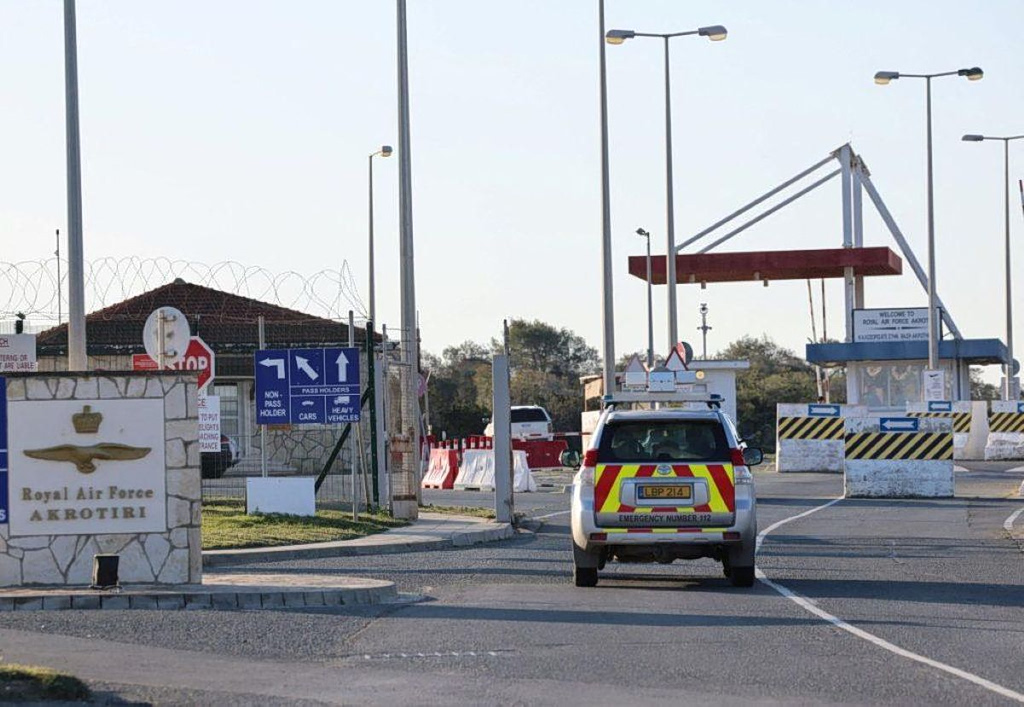
Athens is particularly concerned about indirect repercussions on trade, shipping and migration flows. Security measures have also been stepped up around potential U.S. and Israeli targets within Greek territory.
With no clear timeline for how long the crisis may last, the government acknowledges that uncertainty remains high.
Opposition parties have called for national unity and strict adherence to International Law. The center-left PASOK party has emphasized the need for coordination and diplomatic restraint, while left-wing SYRIZA has urged the government to ensure that Greece does not become involved in the conflict in any capacity.
Source: tanea.gr