 Μake us preferred on Google
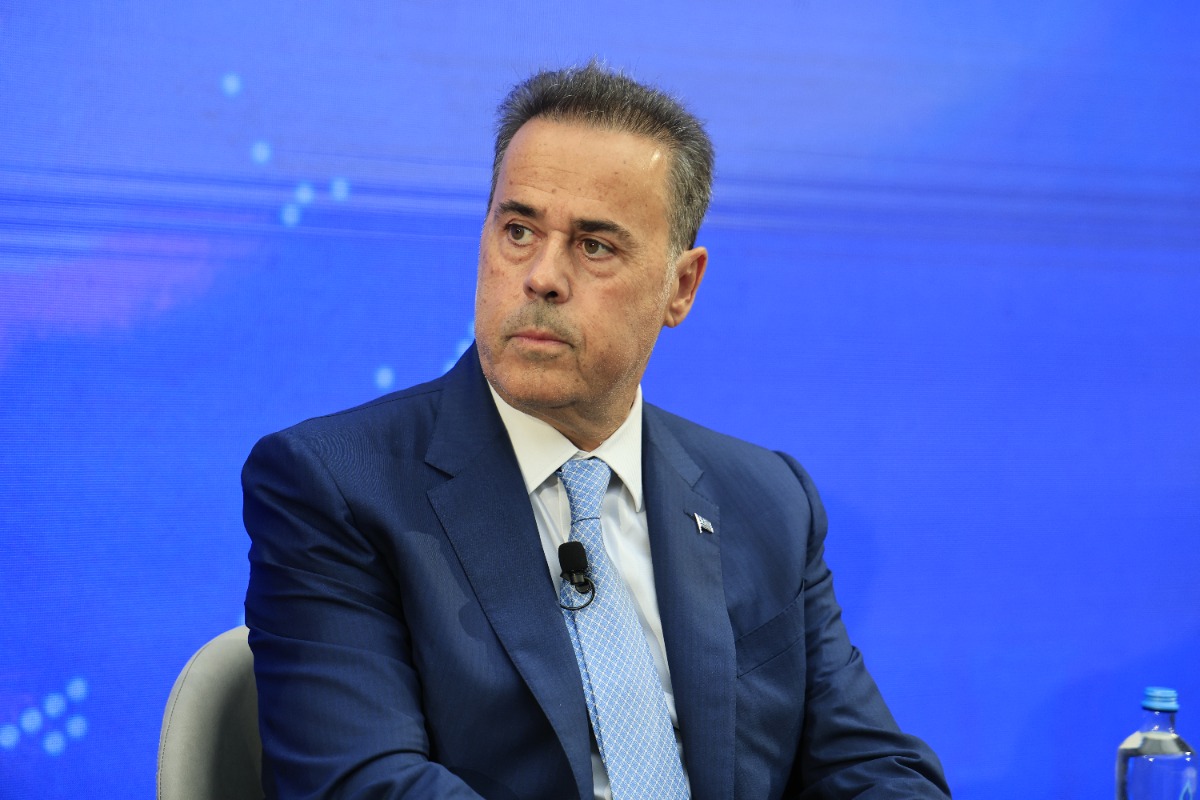
 Greece’s environment and energy minister has pushed back against Turkey’s criticism of Athens’ new offshore energy agreement with Chevron and Helleniq Energy, saying both the European Union and major international partners reject Ankara’s legal arguments.
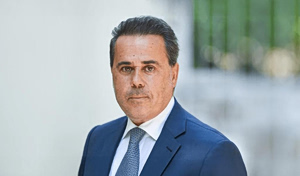
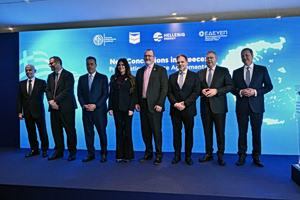
In a radio interview on Thursday, Energy Minister Stavros Papastavrou addressed Turkey’s reaction to the signing of exploration contracts between the Greek state and Chevron and Helleniq for offshore areas south of Crete and around the Peloponnese.
EU Position on Turkey-Libya Memorandum
Responding to Ankara’s claims, Papastavrou referred to conclusions adopted at the European Council in June, noting that Prime Minister Kyriakos Mitsotakis ensured the final text included a clear reference stating that the Turkey-Libya memorandum on maritime zones violates the sovereign rights of third states, is inconsistent with the law of the sea and cannot produce legal consequences for third countries.
Papastavrou said the EU’s clear position on what he described as the “illegal and unfounded” Turkey-Libya memorandum carries particular weight.
“With this European stance in place, Chevron is effectively showing that it does not give credence to these unlawful Turkish claims,” he said. “We are exercising our sovereign rights with confidence, in full accordance with international law and the law of the sea.”
Strategic and Energy Implications
The minister framed the Chevron agreement as part of a broader strategy to strengthen Greece’s position as an energy hub in southeastern Europe.
He said recent statements by U.S. President Donald Trump confirm what he described as the closest and most multi-layered relations ever between Greece and the United States. According to Papastavrou, cooperation now extends beyond traditional strategic ties to include energy agreements, trade, investment, shipping and shipbuilding.
Energy, he added, has taken on a “geostrategic and multidimensional character” for all countries and is increasingly a matter of national security.
Focus on the Vertical Corridor
Papastavrou also referred to the strengthening of the so-called Vertical Corridor, a regional energy infrastructure initiative aimed at enhancing energy flows and cooperation among countries in southeastern Europe.
Ahead of an upcoming visit to Washington, he said the goal is to ensure the sustainability of the Vertical Corridor and deepen regional energy collaboration.
He stressed that Europe now recognizes the need for what Prime Minister Mitsotakis has called “energy realism,” arguing that Greece’s geographic position and investments in energy networks since 2019 allow the country to act as both a strategic partner for the United States and a stable member of the European Union contributing to the energy security of southeastern Europe.