Prime Minister Kyriakos Mitsotakis has drawn strong criticism from opposition parties after announcing that the Tomb of the Unknown Soldier in central Athens will now fall under the responsibility of the Ministry of Defense. The move, unveiled just before his departure for the Gaza Peace Summit in Sharm El-Sheikh, has reignited debate over the proper role of the military in civilian spaces, with critics pointing out that under the Greek Constitution the military’s role is reserved to protecting the country’s borders.
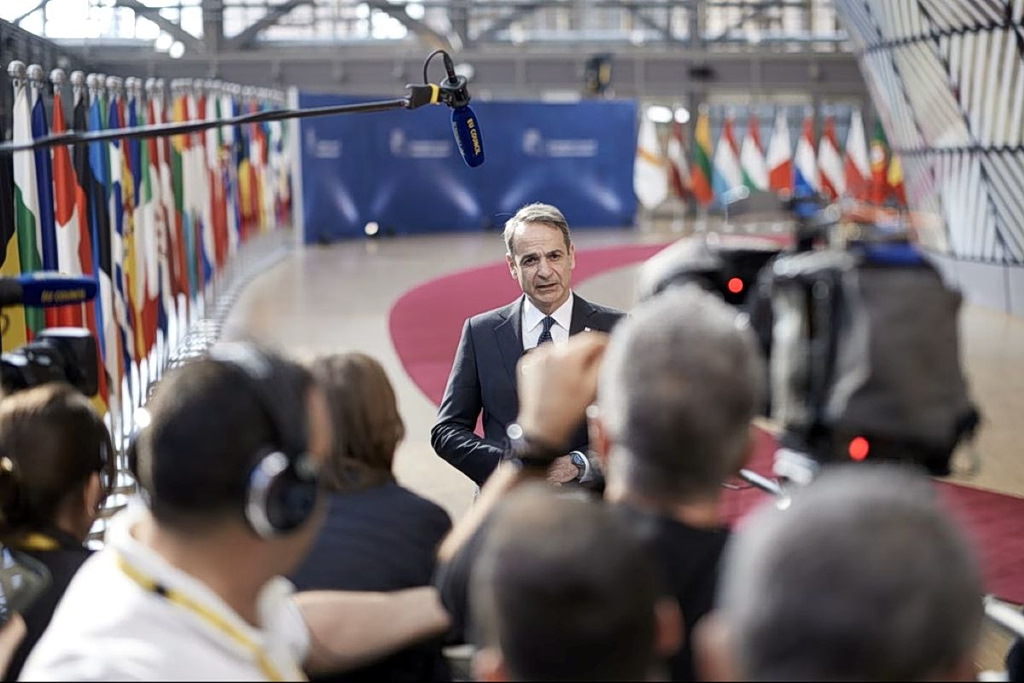
“The Tomb of the Unknown Soldier carries deep symbolic weight, tied to the history of the nation,” Mitsotakis said during a visit with the President of the Republic. He added that opposition parties had “rushed to engage in revolutionary theatrics,” insisting that Greeks should “agree on the obvious” and “preserve the monument’s character.”
According to the Prime Minister, the Ministry of Defense will oversee the tomb’s maintenance, protection, and cleaning, while the Ministry of Citizen Protection and thus the police will continue to handle public order. The government argues that this division will streamline responsibilities and address bureaucratic confusion among the Athens municipality, the Presidential Guard, and the police.
Opposition Denounces “Militarization” of Public Space
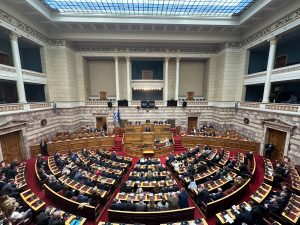
The main opposition party, PASOK, questioned whether the Prime Minister understood the implications of placing a public monument under military jurisdiction, warning that “any military presence outside barracks is unconstitutional.” The party added that assigning control of a public space directly in front of Parliament “crosses a dangerous line and undermines democratic norms”.
Other opposition voices, including SYRIZA and the New Left, went further, accusing Mitsotakis of “right-wing authoritarianism” and “copying Trumpist tactics.” They warned that placing the Defense Ministry in charge of a central civic space echoed the controversial deployment of troops in U.S. cities like Washington D.C. and Chicago during the Trump era.
New Left leader Alexis Haritsis described the move as “shameful,” saying it symbolized “the government’s fear of society and peaceful protest.” He called Mitsotakis “the official representative of Trumpism in Europe”.
Government Defends Decision as Symbolic and Practical
Government officials have sought to defuse the controversy. Deputy Prime Minister Kostis Hatzidakis questioned whether “monuments like the Tomb of the Unknown Soldier should be venues for protest,” saying the answer was “clearly no.” He added that citizens “have the entire city center” for demonstrations, but that the monument “exists to honor those who sacrificed for freedom—not to host protests.”
Minister of State Akis Skertsos echoed that sentiment, calling on all sides to “leave the monument out of daily political tug-of-wars that create unnecessary divisions.”
A Monument of National and Touristic Importance
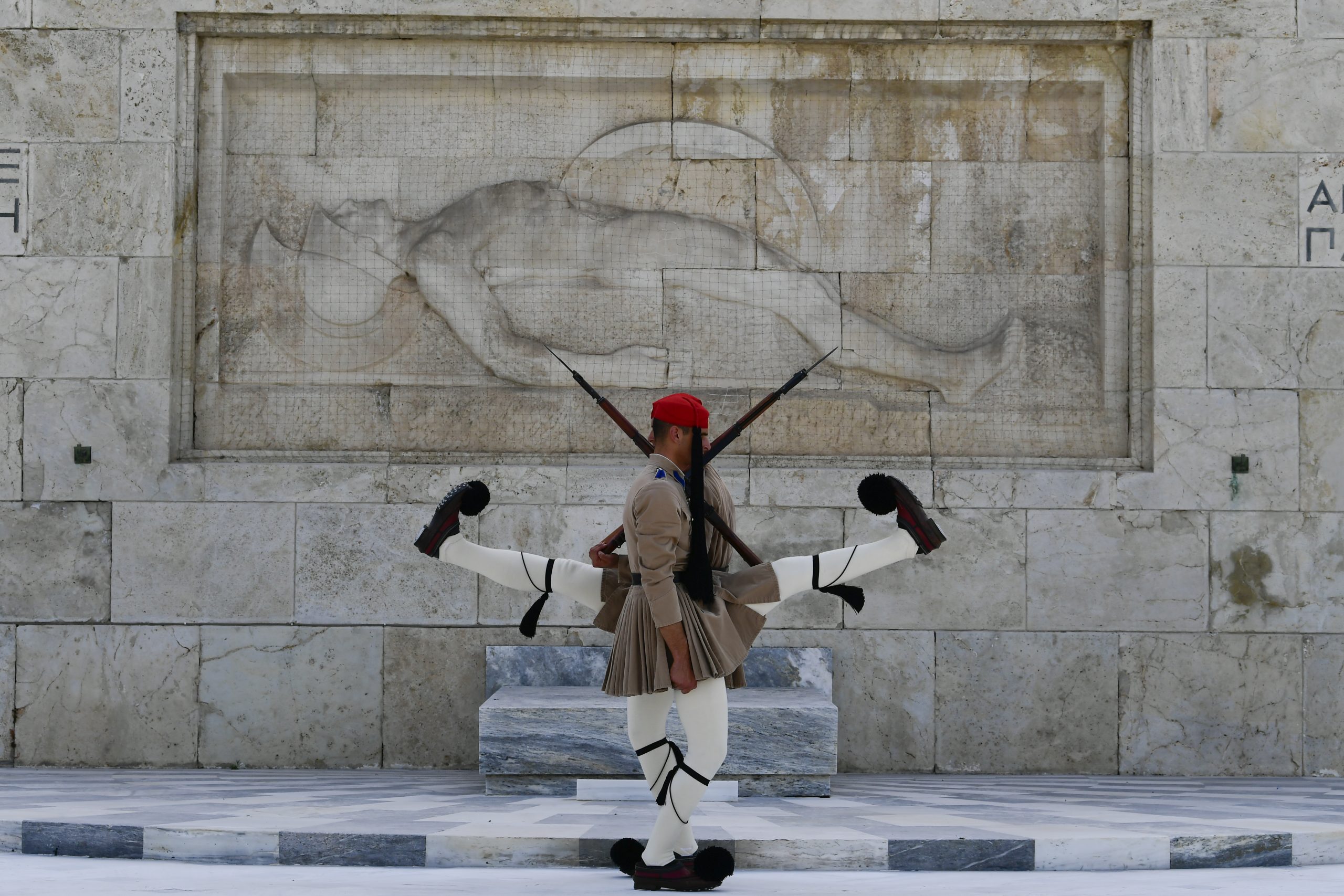
Located in front of the Hellenic Parliament in Syntagma Square, the Tomb of the Unknown Soldier is one of Greece’s most visited landmarks. Guarded by the evzones, the elite presidential guards dressed in traditional white skirts and pom-pom shoes, the monument attracts crowds daily for the changing of the guard ceremony, a highlight of any visit to Athens.
While the government insists the Defense Ministry’s new role is limited to maintenance, critics fear that assigning military responsibility for such a symbolic public space could set a troubling precedent.