
 Μake us preferred on Google
 Greece’s parliamentary inquiry into the OPEKEPE farm subsidy scandal has concluded without a single point of consensus among political parties, highlighting deep divisions over accountability and oversight.
After five months and roughly 350 hours of testimony, the parties represented on the committee released their separate findings, which diverge not only in interpretation but also in their proposed next steps.
At the heart of the disagreement is whether Parliament should institute an ad hoc parliamentary committee for the conduct of a preliminary examination into the potential criminal liability of former ministers (also known as proanakritiki in Greece).
Opposition Calls for Criminal Probe
Opposition parties, including PASOK, SYRIZA and New Left, argue that the evidence gathered during the OPEKEPE inquiry justifies further investigation into the possible criminal responsibility of former ministers.
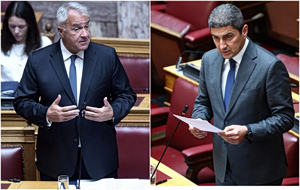
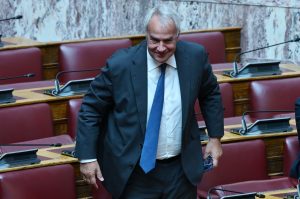
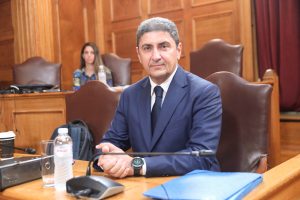
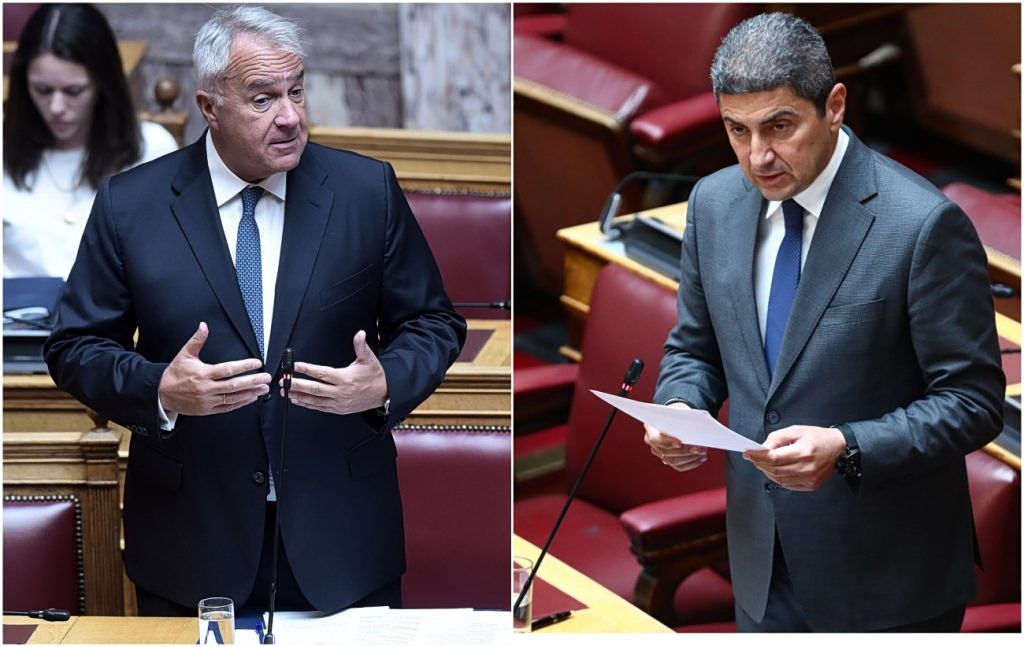
PASOK in its report described the OPEKEPE inquiry as a “whitewash,” accusing the ruling party of using the process to shield political figures from scrutiny. The main opposition party insists that a preliminary investigative committee should have been set up earlier and claims there are sufficient indications warranting deeper investigation of former ministers Makis Voridis and Lefteris Avgenakis.
PASOK argues that witness testimony and recorded conversations presented to the committee provide indications that warrant further investigation into whether Makis Voridis may have assisted acts of breach of trust allegedly committed within OPEKEPE. In the case of Lefteris Avgenakis, the party says the evidence raises serious questions about possible complicity or moral instigation that should be examined by a preliminary criminal probe.
SYRIZA and New Left, who published a joint report, have also called for the formation of a preliminary investigative committee into the criminal liability of the two former ministers, calling it a “constitutional necessity.” The two parties argue that the political responsibility of former ministers Makis Voridis and Lefteris Avgenakis is “clear.”
According to their findings, they allege that Voridis failed to ensure meaningful oversight during his tenure, did not implement effective controls, and — based on the evidence presented — allowed a system to operate that allegedly created artificial conditions for the allocation of EU agricultural subsidies.
Avgenakis, they contend, did not move to correct structural problems when he took office. Instead, they allege he maintained administrative opacity and pushed for the continuation of payments while audits were still pending.
The joint report by SYRIZA and New Left accuses the two former ministers of possible complicity in actions allegedly harmful to the financial interests of the European Union.
The joint report also extends political responsibility to Prime Minister Kyriakos Mitsotakis. They argue that under Greece’s highly centralized governing model, key oversight powers are concentrated in the Prime Minister’s Office. As a result, they contend that political accountability cannot rest solely with individual ministers but must also encompass the country’s top executive authority.
Smaller Parties Raise Broader Concerns
The Communist Party of Greece (KKE) did not submit a formal report but accused the ruling majority of prematurely ending the inquiry without calling key witnesses or conducting confrontational examinations where testimonies allegedly conflicted.
The far-right party, Elliniki Lysi, called for additional witness cross-examinations and even requested testimony from the prime minister. Plefsi Eleftherias also did not submit a formal report.
New Democracy Rejects Criminal Liability
The ruling New Democracy party reached a markedly different conclusion.
In its report, the governing party argues that it was right to opt for a parliamentary inquiry rather than a preliminary criminal investigation into potential ministerial liability. It maintains that no evidence of criminal responsibility by political figures emerged during the proceedings.
According to New Democracy, the problems identified in the OPEKEPE farm subsidy scandal are longstanding and predate the tenure of the ministers under scrutiny. The party places responsibility on previous administrations, citing technical policy decisions under SYRIZA and what it describes as clientelist practices during PASOK’s time in office.
The report states that Makis Voridis did not interfere with oversight controls and that the so-called “technical solution” adopted during his term was unavoidable given the conditions inherited from the period leading up to 2019. It also argues that the allegations against Lefteris Avgenakis are unfounded and rely on conversations involving third parties, not the minister himself.