 Μake us preferred on Google
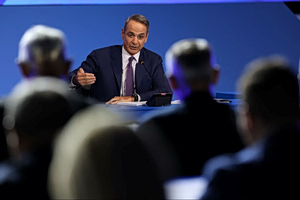
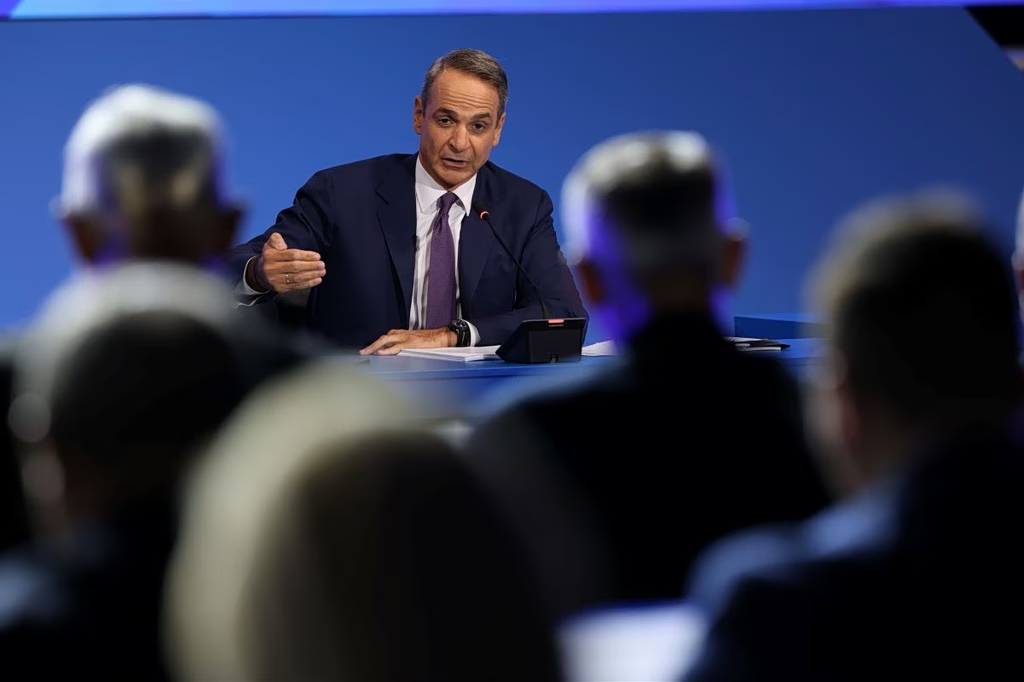
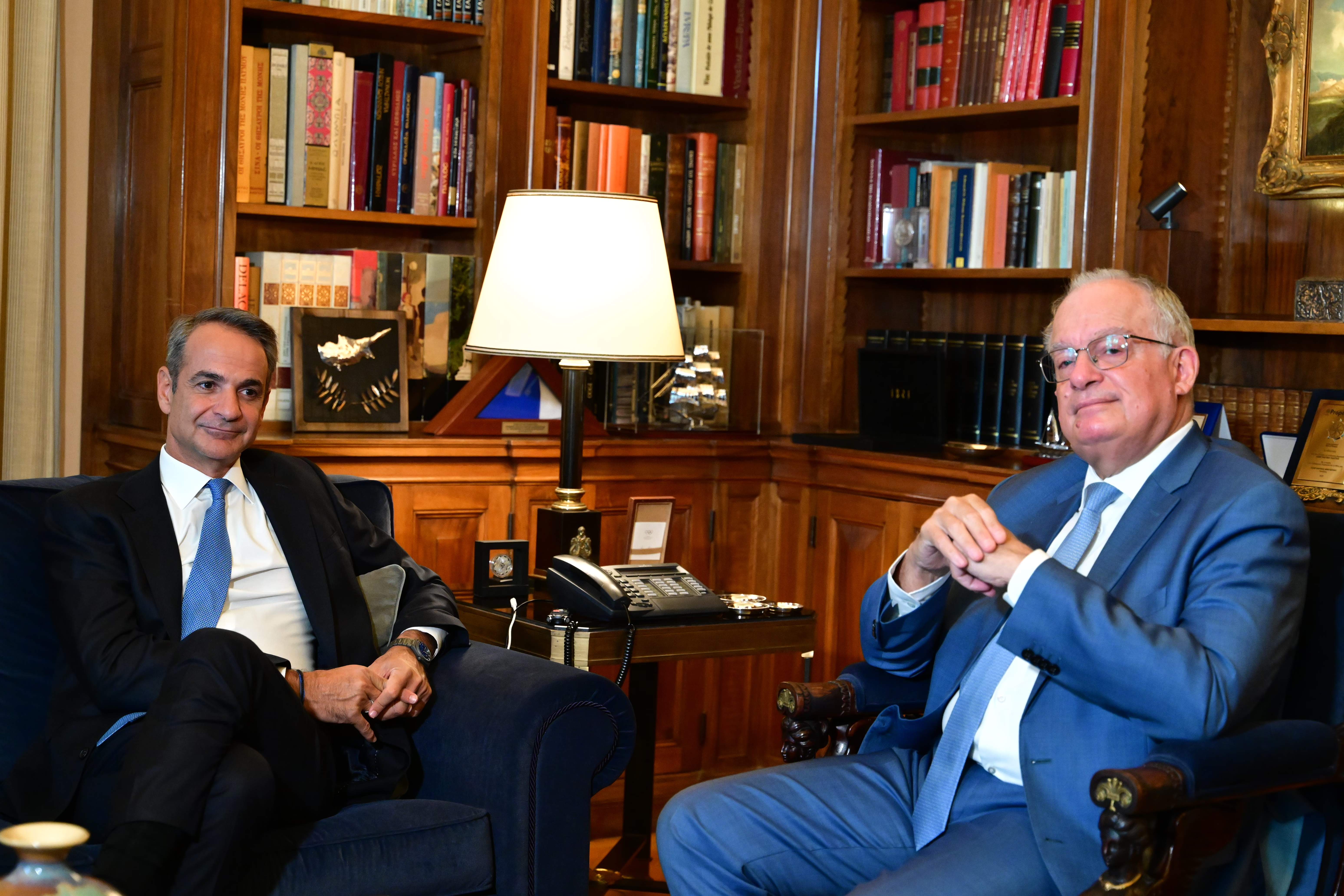
 Prime Minister Kyriakos Mitsotakis reiterated his government’s planned measures to curb winter heating costs during a meeting with President Konstantinos Tasoulas on Friday, a day after setting out the main elements of the package in an interview with state broadcaster ERT. Mitsotakis said heating oil, particularly in northern Greece, would be the government’s “first priority” as households face another winter of elevated energy costs.
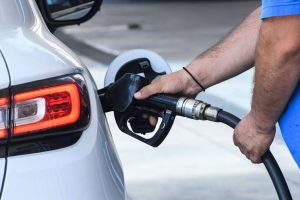
The package, due to be announced next week, is expected to combine a subsidy at the pump with an across-the-board increase in heating allowances. Domestic refineries will also contribute to the effort. According to the Prime Minister heating oil would go on sale at below €1.75 per liter, the level at which the previous heating season ended. The government is also considering reintroducing a cap on profit margins, while support for diesel will be extended through October.
“We are facing a difficult winter in an environment of unprecedented geopolitical upheaval,” Mitsotakis told Tasoulas.
Heating Oil Takes Priority
Mitsotakis said the government would intervene on heating oil through two measures: a subsidy at the pump and an across-the-board increase in the heating allowance. He said the government would give particular priority to northern Greece, where winter heating needs are generally greater.
The prime minister also said Greece could not cut the Special Consumption Tax, on fuel unilaterally without offsetting the loss of revenue elsewhere in the budget. He said he would instead raise the issue at the European Council, arguing that a temporary reduction could be possible if EU governments agreed to a broader exemption from taxes on fossil fuels. “Europe must stand by its citizens,” Mitsotakis said, while vowing to pursue the issue with the EU heads of state.
Market Turbulence and Greece’s Borrowing Costs
The meeting also covered volatility in international bond markets, with Mitsotakis arguing that Greece was relatively well protected from the pressure. He said investors continued to recognize the country’s fiscal discipline and noted that Greece was borrowing at lower rates than the United States, the United Kingdom, France and Italy.
Mitsotakis also said fuel supply adequacy had been secured. He pointed to Greece’s fiscal surpluses, continued debt repayment and economic growth above the European average as factors that left the country in a stronger position to respond to higher energy costs. The government, the PM said, had sufficient fiscal room to support households while maintaining its broader budget commitments.