 Μake us preferred on Google
 Greek Finance Minister Kyriakos Pierrakakis has outlined five key lessons that he believes Europe can draw from Greece’s recent economic and institutional transformation, pointing to the country’s recovery as a broader model for resilience and reform.
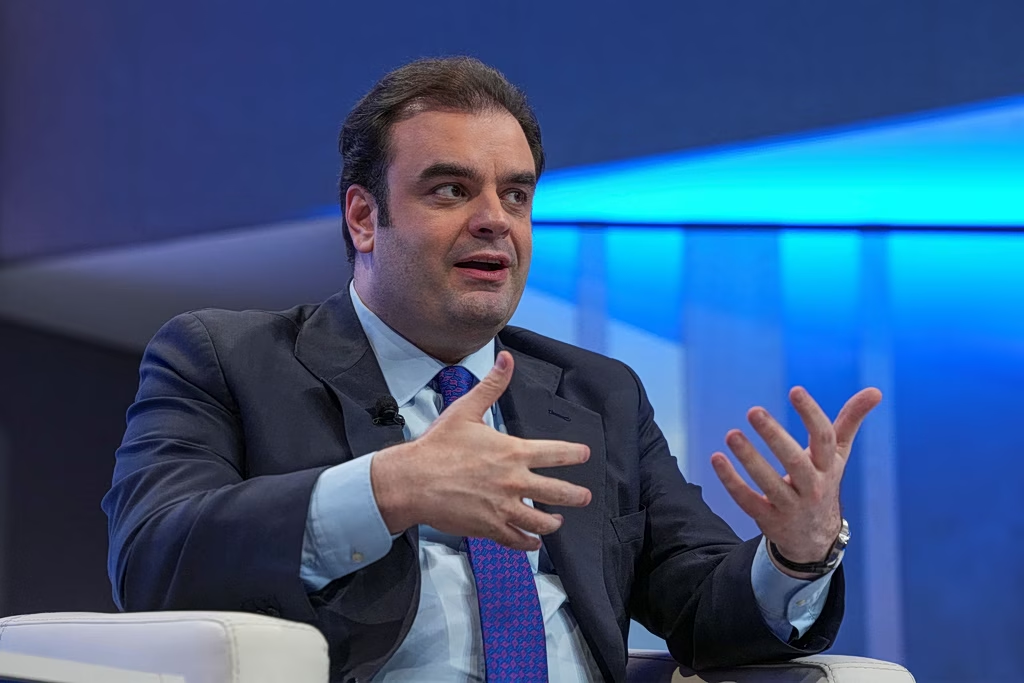
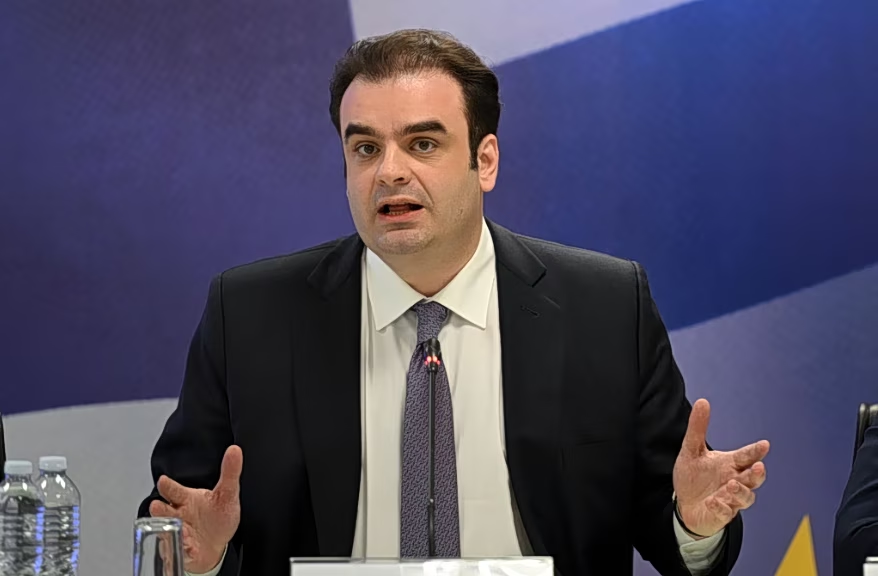
Speaking at a dinner event in Athens attended by academics and policymakers, Pierrakakis said Greece’s experience offers valuable insights into fiscal stability, digital governance, energy strategy, European funding, and societal change.
He stressed that Greece’s trajectory from economic crisis to sustained recovery demonstrates how structural reforms and policy consistency can reshape a national economy over time.
Five pillars of Greece’s experience
Pierrakakis identified five core areas where Greece’s recent developments could serve as a reference point for the rest of Europe:
Fiscal consolidation and growth: Greece has moved from financial instability to strong primary budget surpluses, a rapidly declining public debt ratio, and growth rates above the European average.
Digital transformation: Once heavily bureaucratic, the country now offers more than 2,200 digital public services, with further expansion planned toward full digital state services.
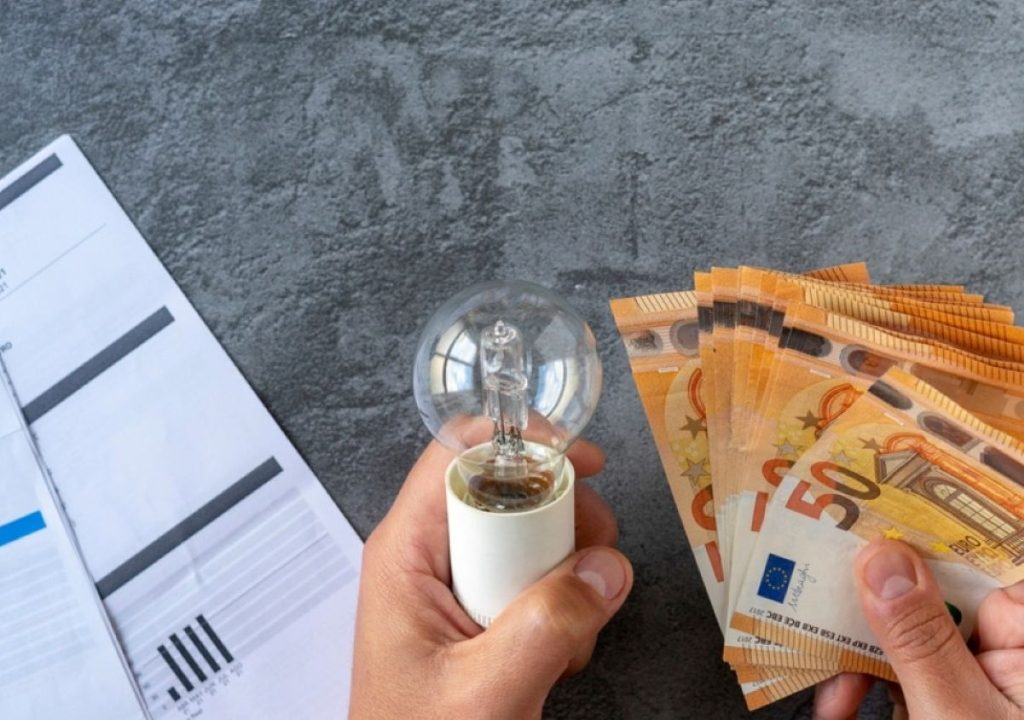
Energy strategy: The restructuring of the national energy sector and increased investment in renewable energy have strengthened Greece’s strategic position in the wider region.
Use of EU recovery funds: The link between European recovery funding and structural reforms was described as a model of effective policy implementation.
Shift in mindset: Pierrakakis pointed to a broader cultural change, highlighting fiscal discipline and a stronger sense of responsibility, particularly among younger generations.
He said these developments reflect not only technical reforms but also a deeper transformation in governance and public expectations.
Europe facing overlapping global pressures
The minister also referred to the broader geopolitical and economic environment, warning that policymakers are now required to manage long-term reforms while simultaneously responding to unpredictable global crises.
He described the current environment as one where governments must deal with unresolved structural challenges alongside shocks ranging from pandemics to armed conflicts, in what he characterized as a highly complex and unstable global setting.
Pierrakakis also highlighted the return of geopolitics and geo-economics to the center of policy decision-making, noting that these factors are reshaping global economic priorities and constraints.
Energy risks and global uncertainty
A significant part of his intervention focused on energy markets and the impact of instability in the Middle East.
He warned that disruptions in key maritime routes could trigger major consequences for global energy supply chains, affecting not only oil and gas but also industrial inputs such as fertilizers, helium, and petrochemical products.
Citing international energy assessments, he noted that dozens of energy infrastructure sites have already been affected, with some suffering severe damage.
Pierrakakis said the potential scale of the crisis would depend on its duration, the speed at which supply routes reopen, and the extent of disruption already absorbed by global markets.
He added that coordinated international policy responses are essential, stressing that economic measures must remain targeted, temporary, and consistent with broader monetary stability.
“A dual mindset” for policymakers
The minister concluded that governments must adopt what he called a “dual mindset”: continuing necessary reforms while remaining prepared to respond quickly to unexpected global shocks.
He argued that Europe already has the policy tools needed to manage such challenges, but emphasized that their effectiveness depends on timely implementation and coordination.