 Μake us preferred on Google
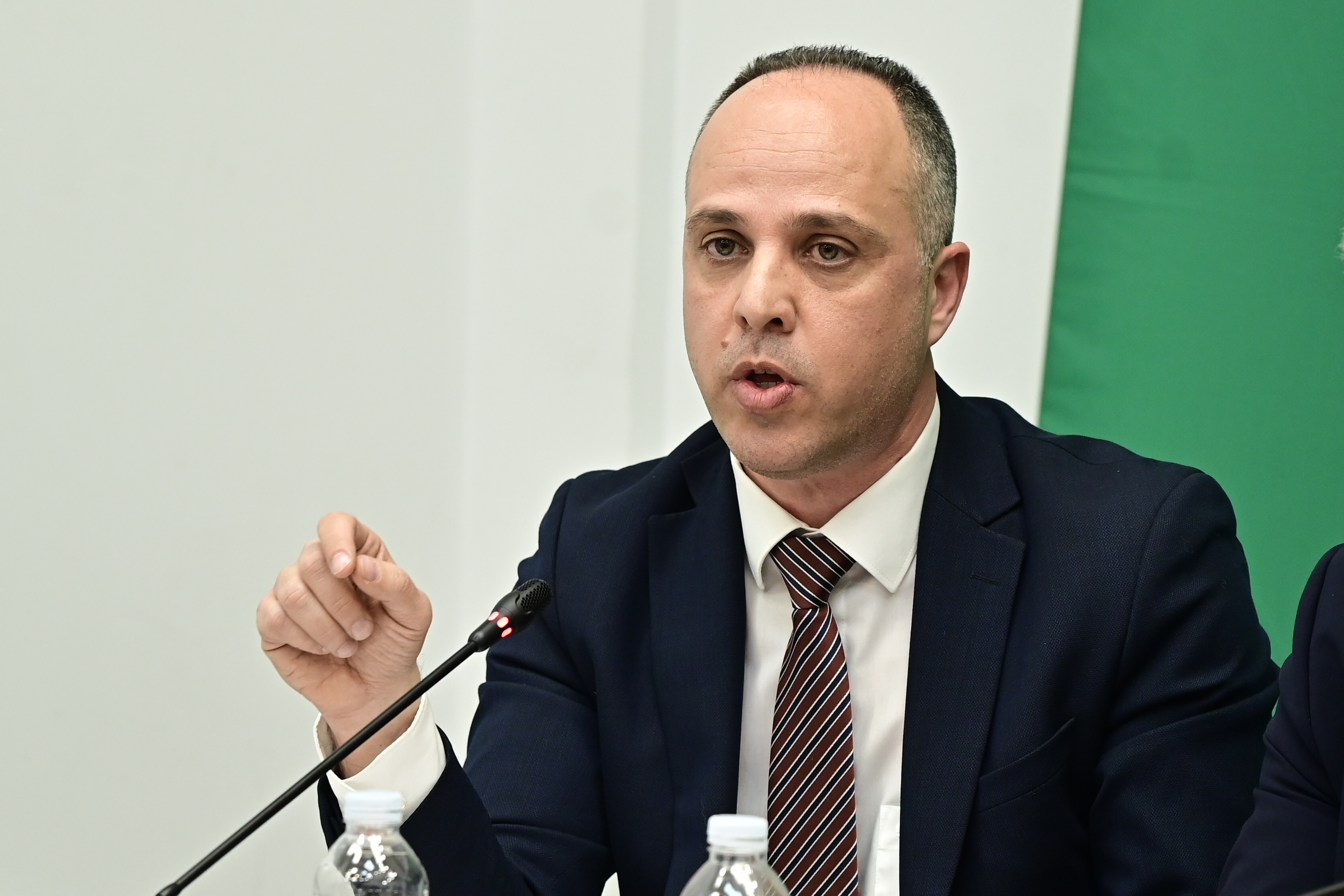
 The lawyer representing some of the victims of Greece’s wiretapping scandal says he will submit Tal Dilian’s Israeli court filing to the country’s Supreme Court prosecutor and press for the shelved case to be reopened, arguing there is no reason to wait for a foreign court to rule first.
Zacharias Kesses was responding to a defamation lawsuit that Dilian, the founder of the surveillance firm Intellexa and the man internationally identified with the Predator spyware, has filed in Israel against one of the Greek victims of that same software. In the filing, Dilian states for the first time in a court document that he personally sold Predator to Greek state authorities, insisting the sale was lawful while denying any role in its use for illegal surveillance.
Kesses said the admission cannot be left to the Israeli proceedings alone. He will submit the lawsuit and its specific claims to the office of Supreme Court prosecutor Evangelos Bakelas, he said, and bring them to the prosecutor’s attention directly.
“There is no reason to wait for a decision from the Israeli court,” Kesses wrote in a post on X, arguing that Bakelas can assess the filing now, request certified copies of the relevant Israeli documents through international judicial assistance, fold them into the Greek criminal file, and take whatever investigative steps are needed to examine claims that appear for the first time in an official court document.
The prosecutor can also summon Dilian to testify, Kesses said. And if Dilian’s status as a defendant is treated as a reason to doubt his credibility, Kesses said, Bakelas can instead call five people connected to Intellexa who have never testified: technical director Merom Harpaz, administrative head Einat Semama, and technicians Dimitrios Xypteras, Ioannis Toumpis and Ioannis Boliaris.
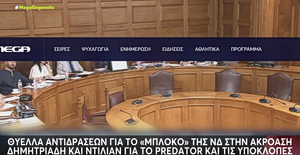
During an interview with TV station MEGA Kesses said he would go to the prosecutor’s office himself, as he has done before, and would file a request to retrieve the case from the archive and reopen the investigation. Bakelas, he argued, should already have intervened on his own initiative, and should act now after Dilian’s public statements and the court filing.
Kesses also addressed the obvious question of why Dilian, who has long said he supplied the software to governments and holds the documents to prove his account, did not produce them before his first-instance conviction. Until the court’s ruling on Feb. 26, 2026, Kesses argued, Dilian had reason to regard Greece as a favorable environment: from the 2020 to 2022 period when the surveillance took place, and on through the February verdict, no one moved against him. The Supreme Court prosecutor’s office, Kesses said, did not dare refer Dilian on felony charges despite what he characterized as serious offenses. Police inspections were pre-arranged, he claimed, with Dilian tipped off in advance and given time to clear out his equipment, and when Dilian appeared before a parliamentary inquiry in 2023 he had been briefed beforehand on the questions. He was referred to trial only on minor misdemeanor charges, Kesses said, on a case weak enough to risk at most a suspended sentence of one to two years. That, in his account, changed with the February ruling.
The Predator case is not a private dispute, Kesses said, but a matter of the rule of law and the confidentiality of communications. Every new piece of official evidence, he argued, should be acted on immediately by prosecutors, all the more so because those who held public office and brought Predator into Greece have chosen silence and arrogance over accountability.
He also turned the question of reticence back on the victims themselves. Just as some ask why Dilian has waited to produce his evidence, Kesses said, others might ask why, apart from PASOK leader Nikos Androulakis, former minister Christos Spirtzis and, most recently, former Prime Minister Antonis Samaras, no political figure among those targeted has come forward to testify.
The Israeli lawsuit remains pending, with a hearing expected once preliminary proceedings conclude in the coming months, at which point Dilian will be required to substantiate the claims in his own filing. In Greece, a separate appeal is scheduled for December, though Kesses noted it will deal only with the misdemeanor charges at second instance, leaving the central questions untouched: who ordered the surveillance, where the intercepted data is held, and who paid for it.