
 Μake us preferred on Google
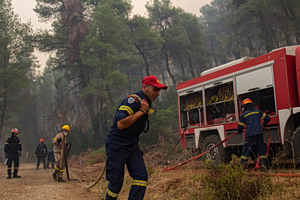
 Seasonal firefighters across the country are planning a demonstration outside Maximos Mansion, the prime minister’s office in Athens, on August 31, demanding permanent status and an end to what they call years of being treated as disposable labor.
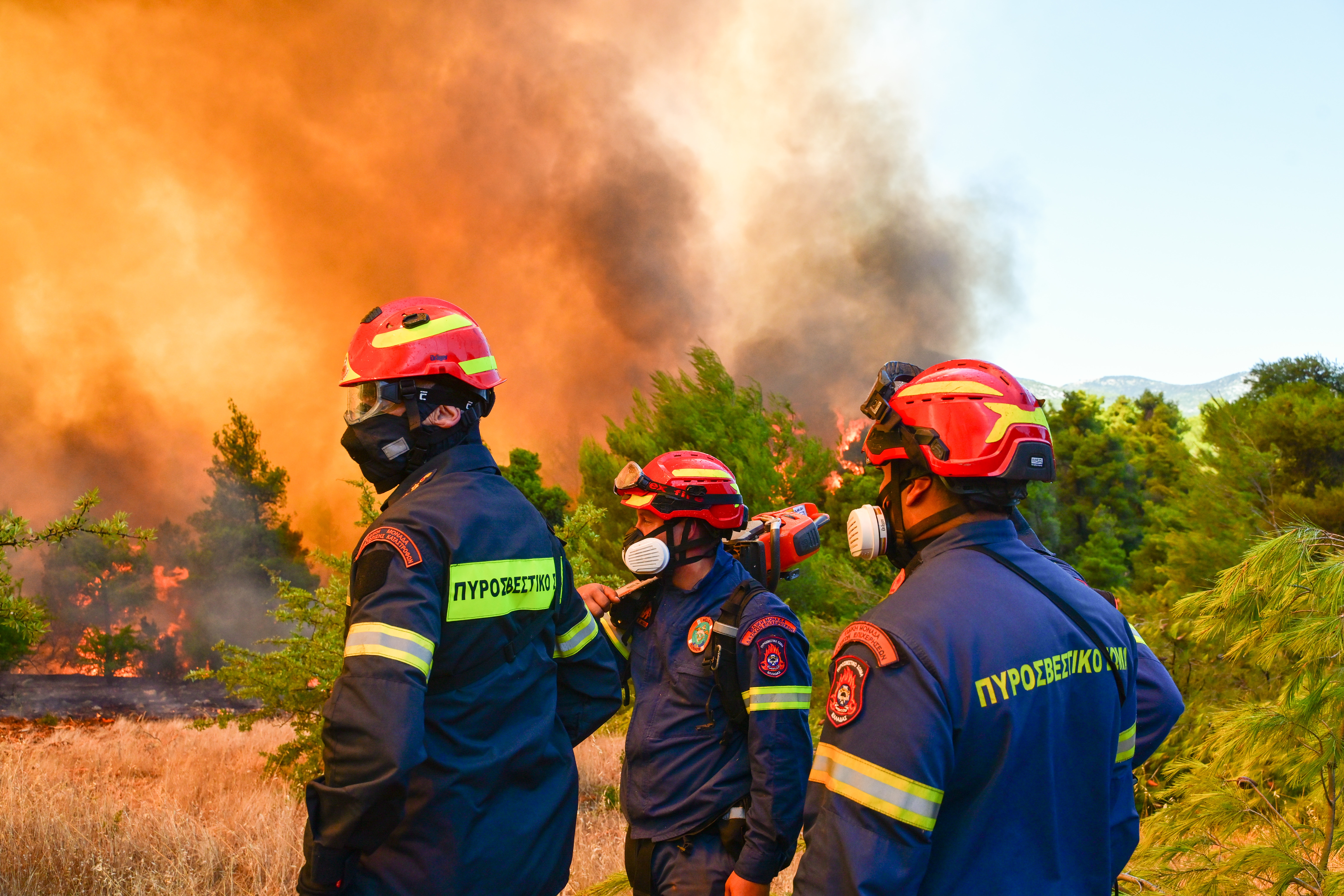
The protest comes at the close of a wildfire season that claimed the lives of five firefighting personnel, and as anger builds among the roughly 2,500 seasonal firefighters who are hired each year on eight month contracts, only to be let go once the fire danger subsides.
A hiring rule at the center of the dispute
At the center of the dispute is a recent announcement from the Ministry of Climate Crisis and Civil Protection outlining new recruitment for the fire service. The plan keeps in place an age limit of 30 for applicants, a threshold that effectively shuts out about 2,000 of the 2,500 seasonal firefighters currently serving, according to figures cited by the unions.
Many of these firefighters have spent multiple summers on the front lines of the country’s wildfire response, only to find themselves too old, on paper, to be considered for the permanent positions they have effectively already been doing.
The numbers behind the firefighting force
Official figures put the total number of firefighters serving this season at 18,804, according to the Ministry of Climate Crisis and Civil Protection. But the breakdown tells a more complicated story than the headline number suggests.
Nikos Lavranos, president of the Panhellenic Federation of Firefighters, told the news outlet in.gr that the total includes about 1,450 members of the EMODE special disaster response units, the 2,500 seasonal firefighters on eight month contracts, and roughly 1,800 firefighters serving under five year obligations. The remainder are permanent staff.
Crucially, only about half of all firefighters are actually deployed in the field fighting fires. The other half work in administrative and support roles that, while necessary to running the service, do not put them on the front lines during a wildfire.
Firefighters describe a two tier system
Giorgos Tzelepis, president of the Panhellenic Union of Seasonal Firefighters, which represents the 2,500 seasonal firefighters nationwide, has previously told in.gr that their core demand is for the fire service to be brought under a single, unified structure rather than the current patchwork of contract types.
“We want there to be a homogenization of the Fire Service. There should not be so many different speeds,” Tzelepis said, arguing that the current system, with its overlapping categories of permanent staff, five year contract workers and seasonal hires, creates operational problems and holds the service back.
Tzelepis’s has claimed that his union members have also faced physical confrontations with riot police, including tear gas and beatings, during earlier demonstrations.
A season marked by loss
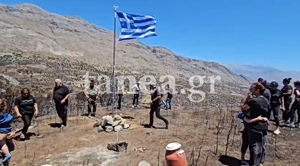
This year’s wildfire season has been especially deadly for firefighting personnel, with five members of the service losing their lives. That toll has sharpened the seasonal firefighters’ argument that the people risking the most each summer are also the ones with the least job security once the season ends.
For now, the union is calling on the public to join the August 31 demonstration, framing it as a moment for solidarity with workers who spend eight months a year on the fire lines and the rest of the year uncertain whether they will be rehired at all.