 Μake us preferred on Google
 The Turkish notice disputes the competence of the Heraklion station, representing Greece, to issue navigational warnings for the specific area in the eastern Mediterranean, asserting that the relevant authority lies with the Antalya station.
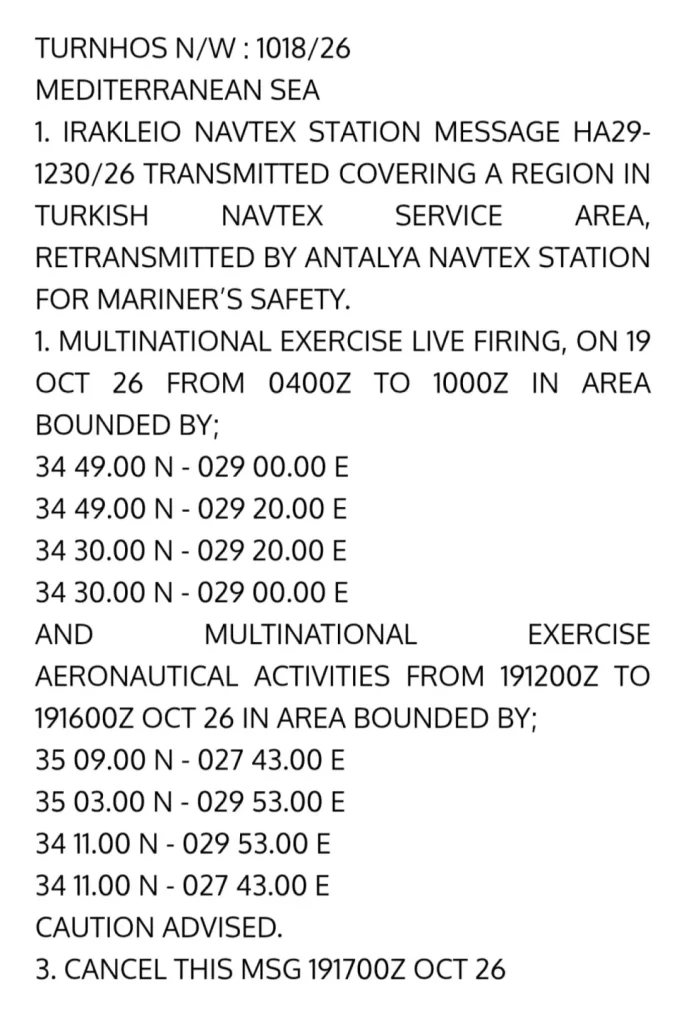
The move follows a Greek NAVTEX issued on Thursday for the military exercise, which is scheduled to involve naval and aerial activities, including live firing, on Monday
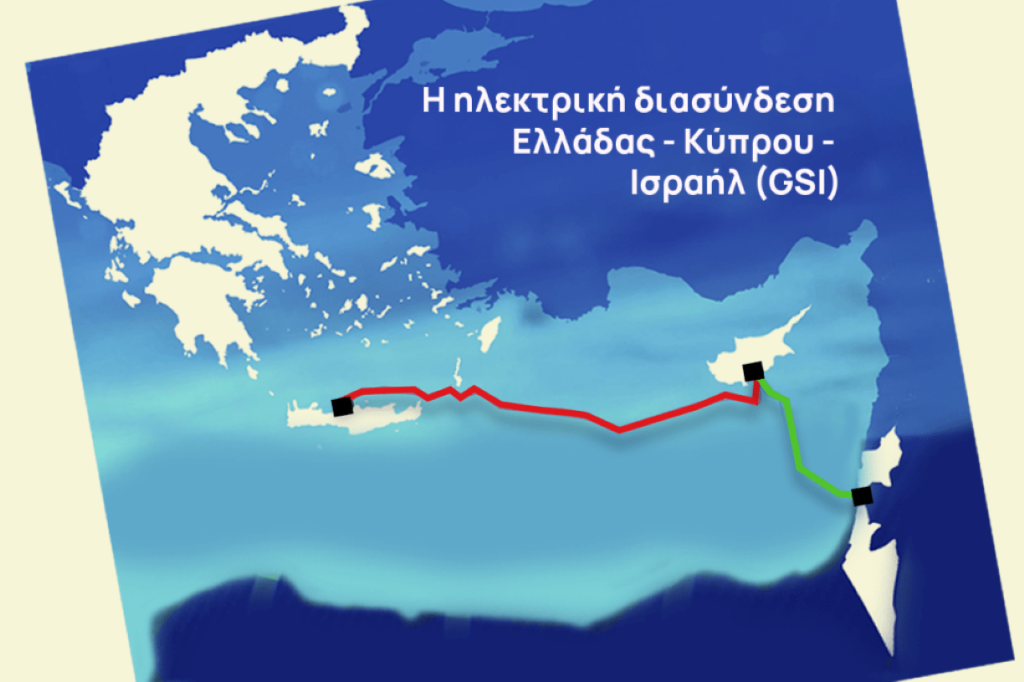
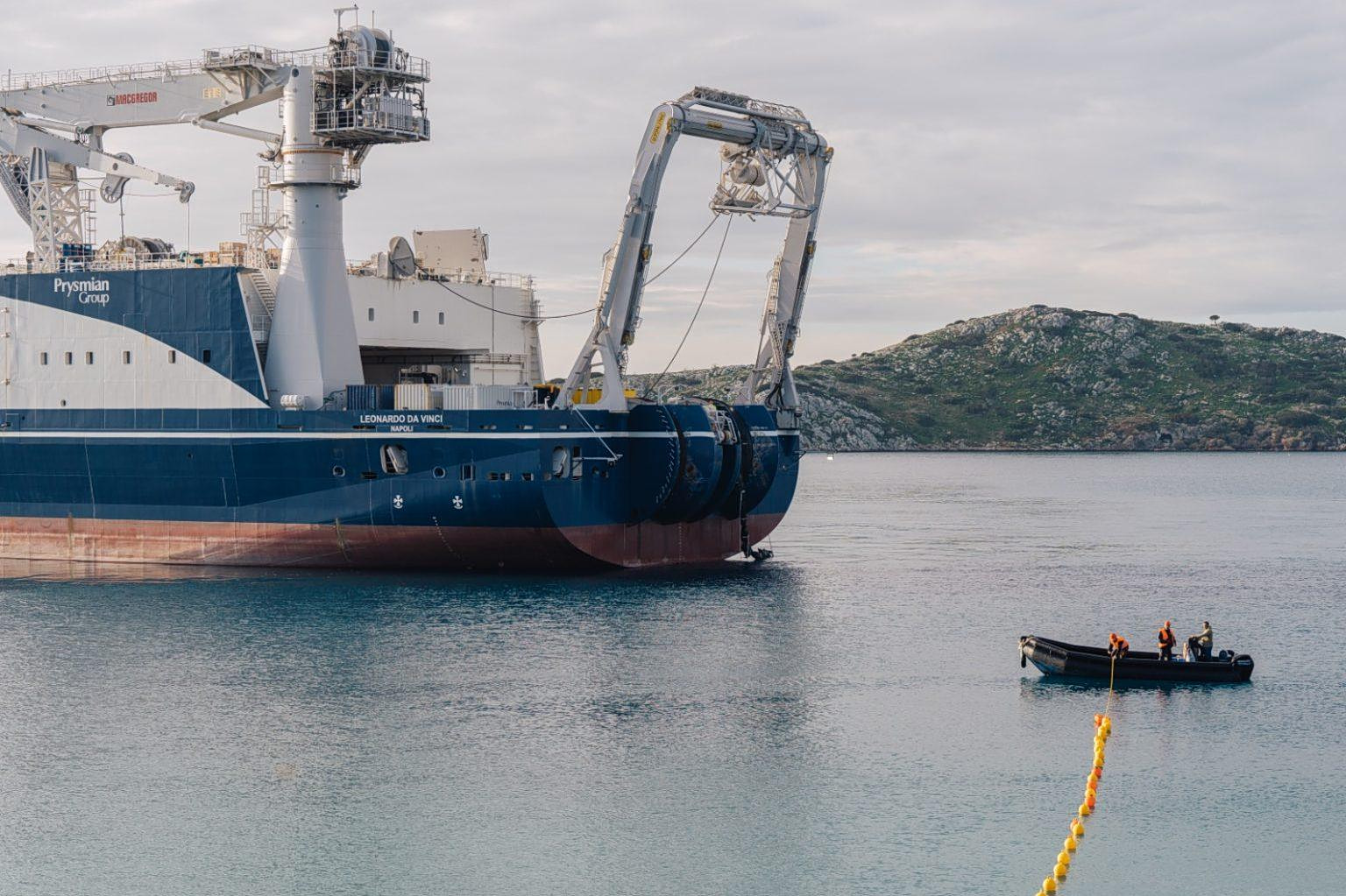
The disputed maritime area is also on the planned route of the French research vessel Abeille Marengo, which is expected to resume survey work related to the Greece-Cyprus electricity interconnection project, also known as the Great Sea Interconnector (GSI), once the relevant procedures are completed and the necessary NAVTEX is issued.
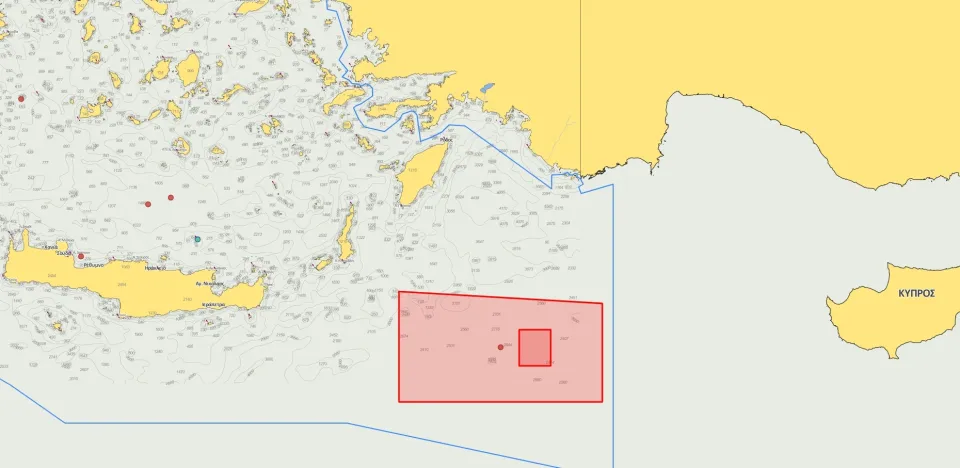
The Antalya notice concerns the Eunomia exercise rather than the cable-laying project itself, although the overlapping geographical area involves Turkey’s unilateral claims over maritime jurisdiction and the conduct of surveys for the electricity link.
Eunomia is an annual joint air and naval exercise conducted under a four-nation initiative involving Greece, Cyprus, France and Italy. It aims to strengthen interoperability among the participating armed forces, safeguard freedom of navigation and contribute to security and stability in the eastern Mediterranean.
Erdogan-led Turkey’s revisionist, maximalist pivot
Turkey’s latest move is part of a broader pattern of revisionist and maximalist claims over maritime zones in the Aegean and the eastern Mediterranean over the past several years, which Athens maintains disregard international law and the maritime rights of Greek islands. The disputes reflect Ankara’s Mavi Vatan (Blue Homeland) doctrine, which advocates an expanded Turkish maritime footprint outside the provisions of United Nations Convention on the Law of the Sea (UNCLOS) and has become a defining feature of its strategic approach to the wider region.
Turkey has not ratified UNCLOS, unlike Greece, which is a signatory and party to the convention. The two countries also differ fundamentally over the maritime rights of islands and the principles governing the delimitation of continental shelves and exclusive economic zones (EEZs).
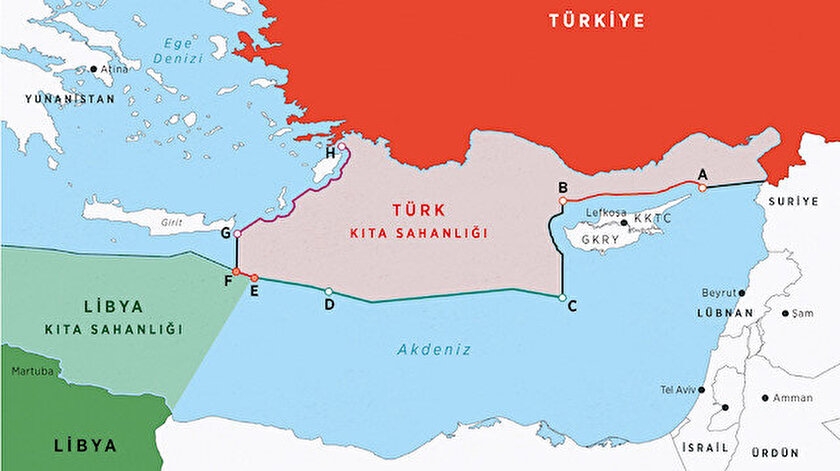
A key expression of Ankara’s approach was the November 2019 maritime delimitation memorandum with Libya, which Greece – along with other regional countries and the EU – rejects as invalid because it disregards the maritime rights of Greek islands, including Crete. The agreement has since served as a point of contention in disputes over energy exploration and infrastructure in the eastern Mediterranean.