
 Μake us preferred on Google
 A little-known but deeply exhausting condition is gaining attention through mental health research, shedding light on the lives of people who are trapped daydreaming inside their own minds for hours on end.
Lost for Hours
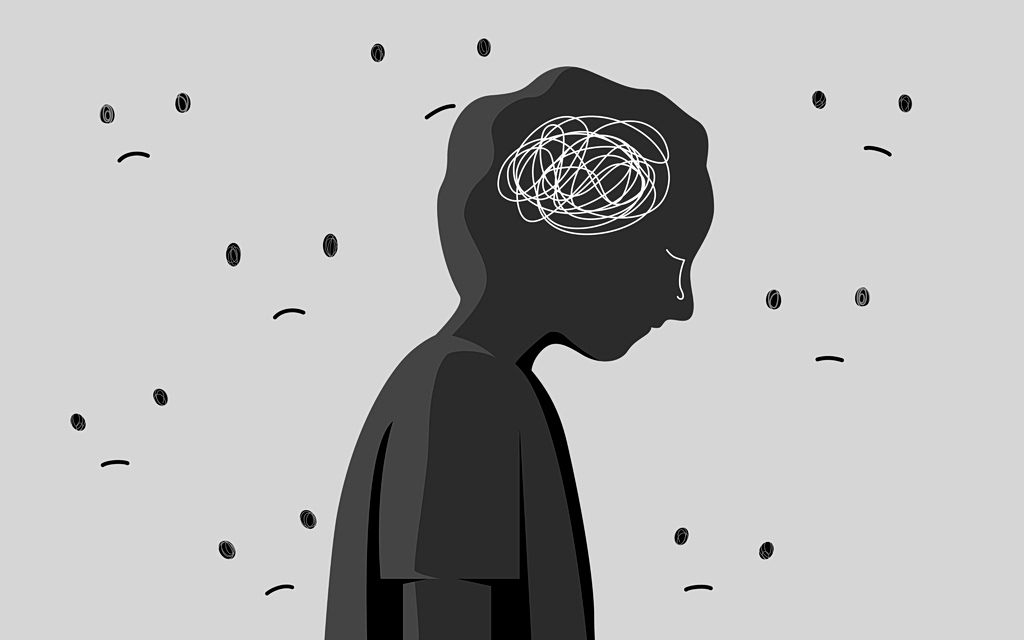
The condition is called Maladaptive Daydreaming — a term describing the compulsive, addictive retreat into extraordinarily vivid, elaborate, and emotionally charged imaginary worlds. Those who experience it can disconnect from reality for hours at a stretch.
While a wandering mind is a completely normal part of human experience, for a meaningful portion of the population it transforms into an uncontrollable addiction, capable of derailing both personal and professional life.
An Irresistible Pull
People with maladaptive daydreaming do not lose their grip on reality — they are fully aware that their inner narratives are fictional. Yet they feel an overwhelming compulsion to return to them.
The accounts of people living with this condition are striking. A 25-year-old woman described to the BBC how, from adolescence onward, she would lose up to seven hours a day “directing” elaborate alternative lives in her head — ones in which she was a successful artist with ideal relationships. The need to retreat to this mental refuge was so powerful, she said, that she would regularly withdraw from friends, preferring the company of her imagined characters.
Another person recounted that his daydreaming was accompanied by involuntary physical movements — pacing the room intensely to specific music — which left him feeling deep shame and exhaustion when he finally “came back” to the real world.
An Escape Mechanism
The phenomenon functions primarily as an escape from anxiety, depression, loneliness, or unresolved emotional trauma. In their parallel worlds, these individuals achieve a sense of complete control, experiencing the acceptance and success that eludes them in their daily lives. The cost, however, is steep: prolonged absorption in these inner landscapes undermines social relationships, professional performance, and academic obligations, and tends to generate intense feelings of guilt.
What It Is Connected To
Recent studies indicate that the condition — which affects roughly 2.5% of the general population — is closely linked to Attention Deficit Hyperactivity Disorder (ADHD), obsessive-compulsive tendencies, and dissociative experiences. Newer findings suggest that chronic immersion in these alternative inner scenarios can destabilize a person’s sense of identity, leading to a weaker sense of self and a higher frequency of distorted or false memories about their own past.
Fear of Stigma
Despite the severity of its symptoms, maladaptive daydreaming has not yet been officially recognized as a standalone psychiatric disorder in clinical diagnostic manuals. As a result, many sufferers hesitate to seek help, largely out of fear of stigma.
Specialists emphasize the need for greater public awareness and recommend the use of cognitive behavioral therapy, which helps patients regain control over their attention and build a more grounded, reality-based daily life.