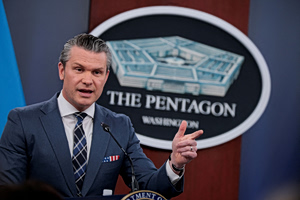
Pentagon says strikes on thousands of targets continue as Washington focuses on destroying Iran’s military capabilities and preventing nuclear weapons development
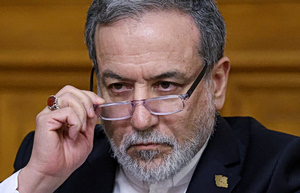
Tehran says nuclear doctrine unlikely to change under new supreme leader and urges Gulf states to draft a fresh agreement on Strait of Hormuz navigation after the war
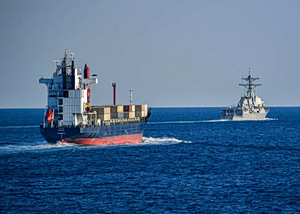
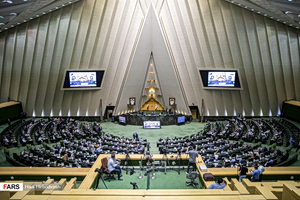
Iran's parliament is reviewing a bill that would require ships passing through the Strait of Hormuz to pay transit fees to Tehran.
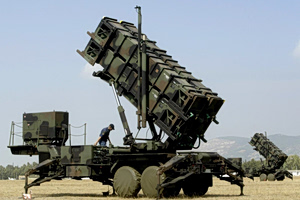
According to ministry sources, the air defense systems were activated immediately, and two missiles were launched to intercept the incoming targets.
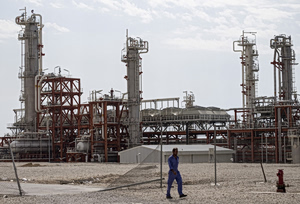
Strikes targeting infrastructure in Iran, Qatar and Saudi Arabia have put oil-and-gas facilities at the center of the conflict
The killings of top officials mark milestones in a fierce campaign to bring down the Tehran government
Tehran has been preparing for two decades for the contingency of a full-scale confrontation with the US and Israel - The plan of the “Fourth Successor”, the decentralized model of political and military leadership based on the model of Mao Zedong
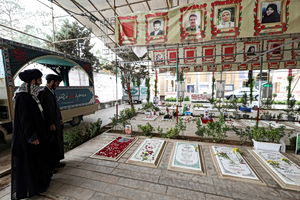
Several key Iranian leaders have been killed in the last 3 weeks, a direct result of US-Israeli strikes. Most of these perished during a meeting of senior Iranian leadership on February 28th, according to Iranian media.
War-related cost increases and supply chain disruptions are hitting Greek exporters, halting trade with key Gulf markets, raising input costs and pushing excess supply into the domestic market
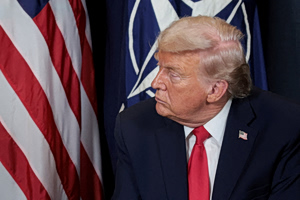
President Trump calls NATO’s reluctance to assist in U.S.-Israeli strikes on Iran a “very foolish mistake,” urging allies to help secure the Strait of Hormuz while saying no retaliation is planned
Iran confirmed Tuesday evening the death of Ali Larijani, secretary of the Supreme National Security Council, in an air strike that also killed his son Morteza, several bodyguards, and Alireza Bayat, the council’s deputy secretary for security affairs. The council’s secretariat announced the deaths in an official statement, describing Larijani in terms reserved for those […]
Iran has rejected proposals that would lead to a relaxation of tensions, instead demanding that Israel and the US must be “brought to their knees”
World Food Programme warns ongoing conflict may worsen food insecurity, with soaring costs pushing global hunger past record levels.
Joe Kent, the director of the National Counterterrorism Center has quit, saying Iran posed no imminent threat. He urged Presiden Trump to reverse course, marking the first major departure from the administration over the conflict
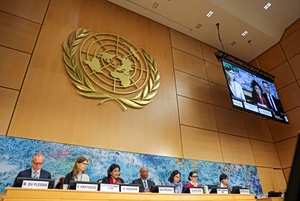
The U.N. Fact-Finding Mission investigates a missile attack on Shajareh Tayyebeh School that killed 168 children, mostly girls, at the start of U.S.-Israeli airstrikes on Iran, with preliminary reports pointing to possible U.S. responsibility
According to Israeli Defense Minister Israel Katz, an Israeli strike killed Ali Larijani, Iran’s security chief. Tehran has not confirmed yet whether he was killed
Iran targets U.S. allies in the Gulf, closing the Strait of Hormuz and hitting military bases, oil hubs, and infrastructure, while Trump insists he was “shocked,” even though U.S. intelligence had predicted regional retaliation
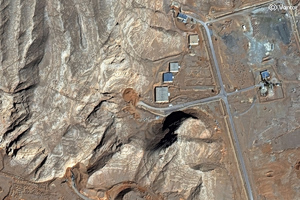
Gaining control of Iran’s enriched uranium would be difficult, but leaving it there is dangerous too
The UN investigation finds Israel intentionally targeted Evin Prison, killing civilians, and warns current U.S.-Israeli strikes could increase repression and put detainees at risk.
UN climate chief warns Europe’s reliance on imported oil and gas fuels insecurity and price volatility, calling for urgent shift to renewable energy to shield economies from geopolitical shocks