 Μake us preferred on Google
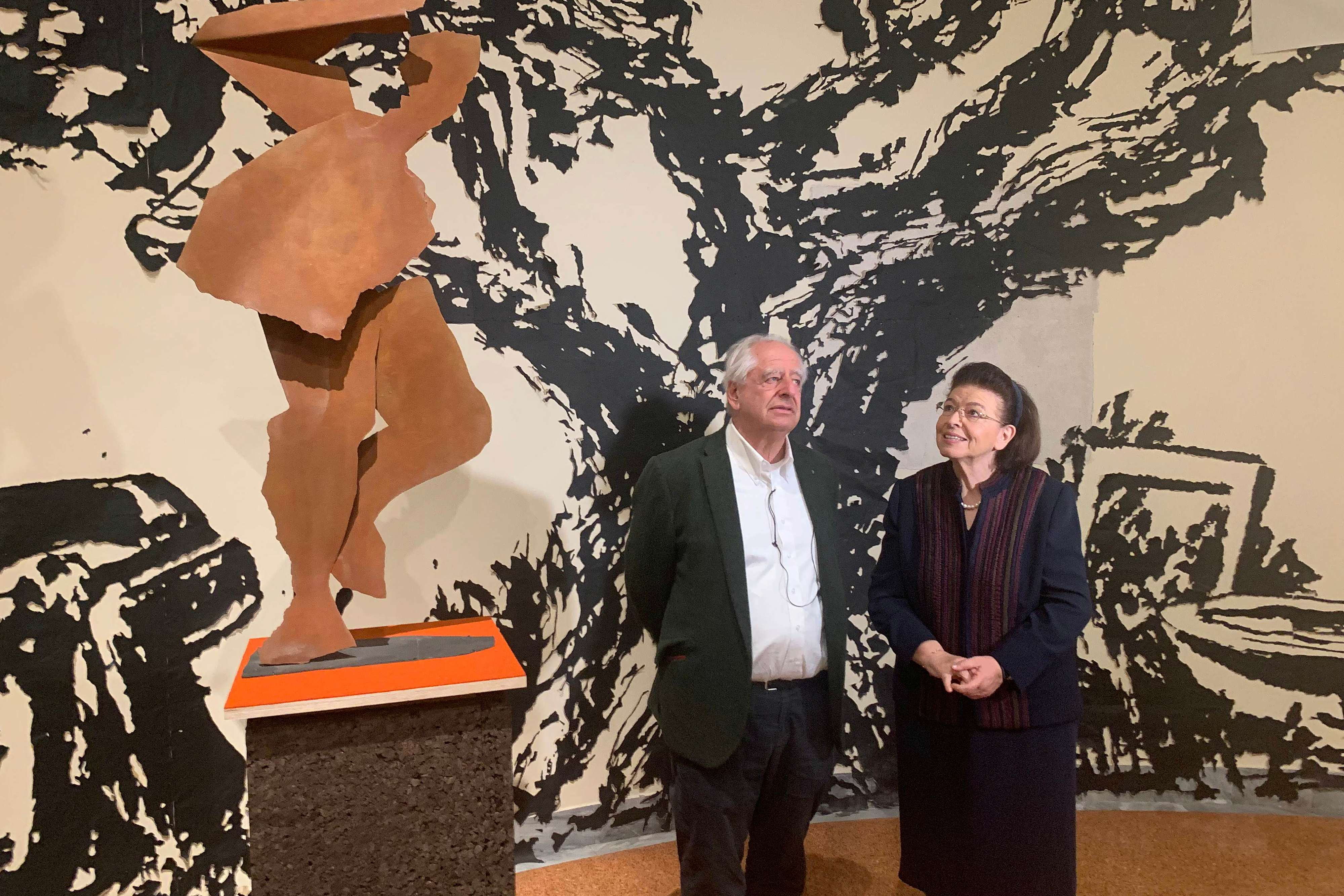
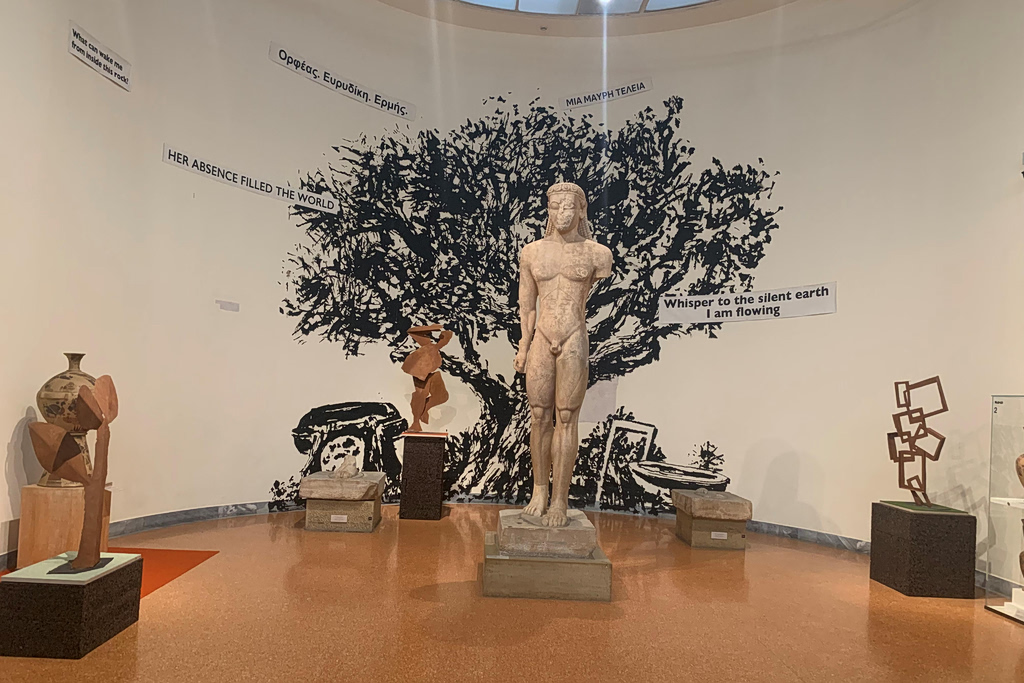
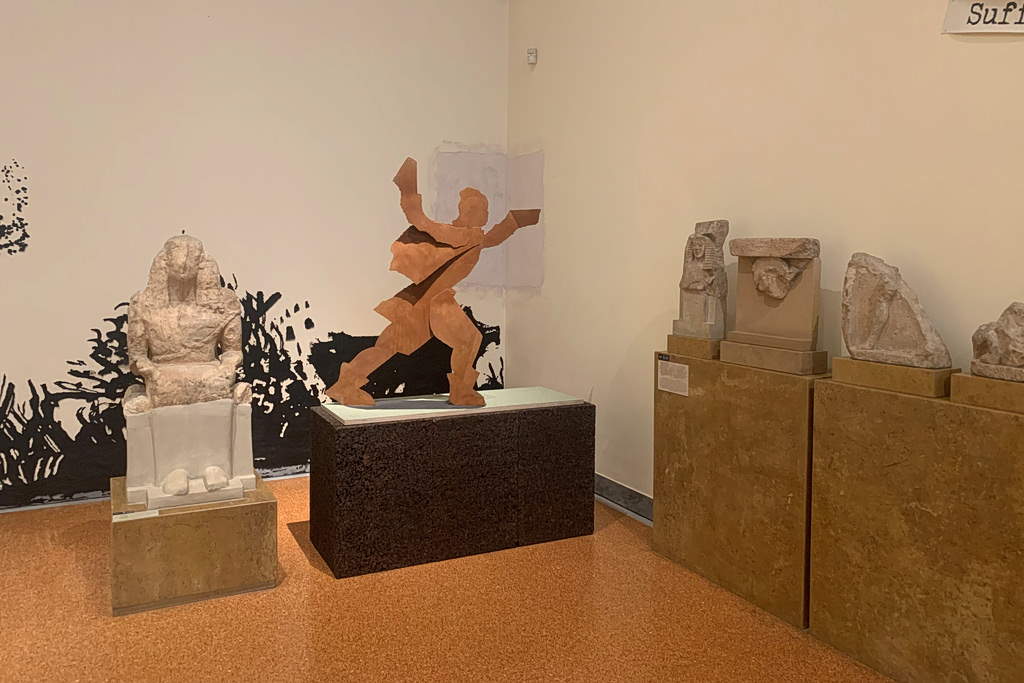
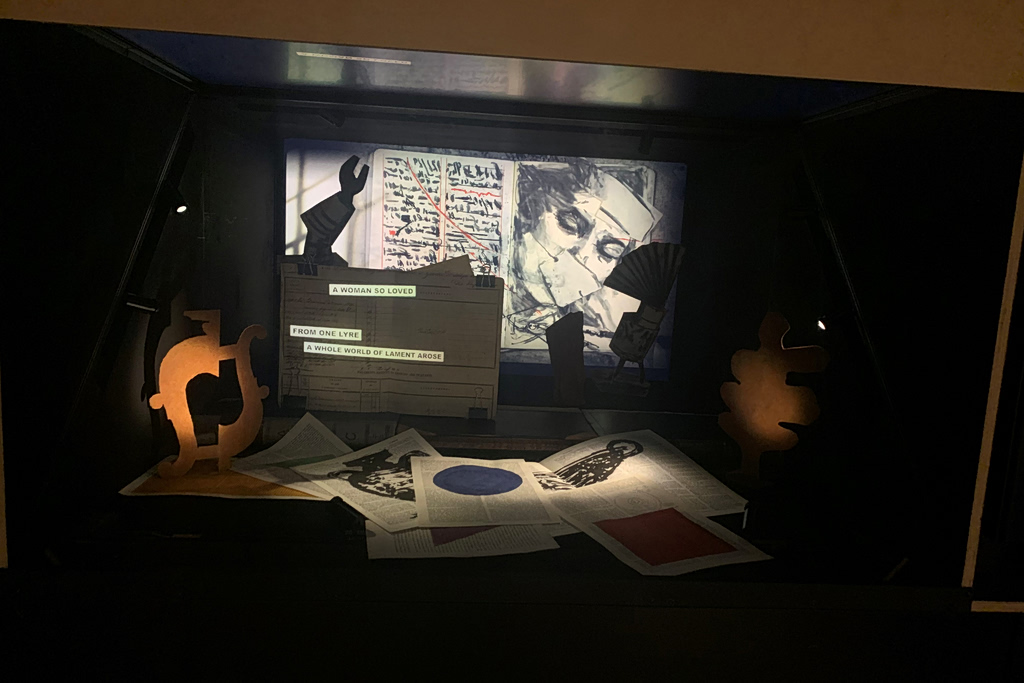
The ancient Greek myth of Orpheus and Eurydice takes on new life at Athens’ National Archaeological Museum, where internationally acclaimed South African artist William Kentridge brings contemporary works into dialogue with antiquities spanning centuries of artistic expression.
Credit: Ministry of Culture
Kentridge is also directing Claudio Monteverdi’s opera “L’Orfeo” for the Greek National Opera, while a major solo exhibition, “The Great Yes, The Great No,” is scheduled to open at the National Museum of Contemporary Art in June.
Credit: Ministry of Culture
Speaking at the inauguration, Culture Minister Lina Mendoni described the National Archaeological Museum as an ideal setting for tracing the evolution of the Orpheus myth through its earliest representations and more recent interpretations.
She said the meeting of ancient and contemporary works offered a panorama of art across millennia, demonstrating the enduring appeal of the myth and its significance in the modern world. The exhibition also reflects a broader cultural policy of fostering cooperation among Greek institutions and bringing the country’s artistic heritage into dialogue with contemporary creation.
Born in Johannesburg in 1955, Kentridge is among South Africa’s most internationally recognized contemporary artists. His work spans drawing, animation, film, sculpture, theater and opera, frequently exploring history, memory, politics and the complexities of human experience.
Credit: Ministry of Culture
He gained international prominence through animated films made from charcoal drawings that he repeatedly alters and redraws, leaving traces of earlier images. This distinctive technique reflects his interest in how memory and history evolve, with the past remaining visible within the present.
Although much of his work engages with South Africa’s history of apartheid and its aftermath, his artistic concerns extend across cultures and historical periods. His international reputation also rests on his innovative theater and opera productions, which combine projections, drawing, music and live performance.
The Orpheus myth provides a particularly fitting framework for this multidisciplinary approach. After Eurydice’s death, the legendary bard descended into the mythical Underworld and persuaded its rulers to let her return, provided he did not look back before reaching the living world. He ultimately turned around, losing her once more.