 Μake us preferred on Google
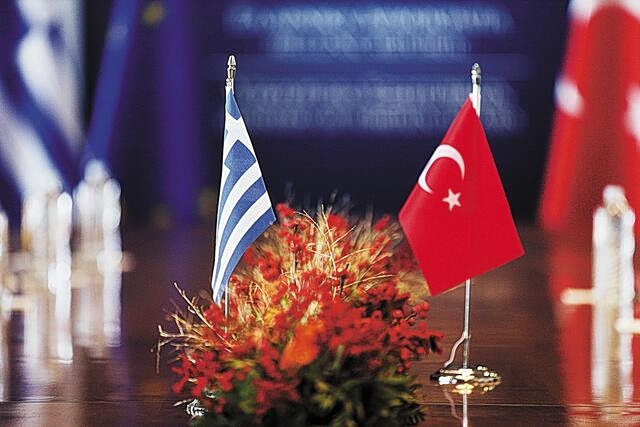
Greece and Turkey are among several countries preparing to establish a new multilateral bank to finance defense, security and resilience projects, with the founding agreement scheduled to be signed in Luxembourg on Nov. 30.
The governments of Albania, Belgium, Canada, Greece, Latvia, Luxembourg, Romania, Turkey and Ukraine confirmed their intention to establish the Defence, Security and Resilience Bank (DSRB), in a joint statement. The agreement is intended to formalize the initiative, with the institution expected to begin operations in 2027.
The initiative follows the Ankara Declaration of July 7, which outlined the participating governments’ intention to create the institution. The founding articles were negotiated in Montreal in April, laying the groundwork for a financial institution designed to address funding gaps faced by governments and defense companies.
The bank aims to widen access to capital, reduce financing costs and support the expansion of defense-industrial capacity. It is intended to complement existing national and multilateral financing mechanisms rather than duplicate them. The participating governments also aim for the institution to secure a AAA credit rating, although that rating has not yet been obtained.
The proposed bank is expected to raise up to 100 billion euros to provide affordable financing for defense projects and guarantees for lenders supporting smaller companies.
However, its plans have encountered obstacles in attracting additional major economies. Britain has decided not to join, citing unresolved differences over governance, joint procurement and lending arrangements, although London and Ottawa intend to develop a framework for cooperation between their separate defense-financing initiatives.
Greece, Turkey Pursue Parallel Military Modernization
The participation of Greece and Turkey in the same financing initiative comes as both NATO members continue to invest in modernizing their armed forces amid long-standing disputes – mostly unilateral Turkish claims and demands – in the Aegean and the eastern Mediterranean.
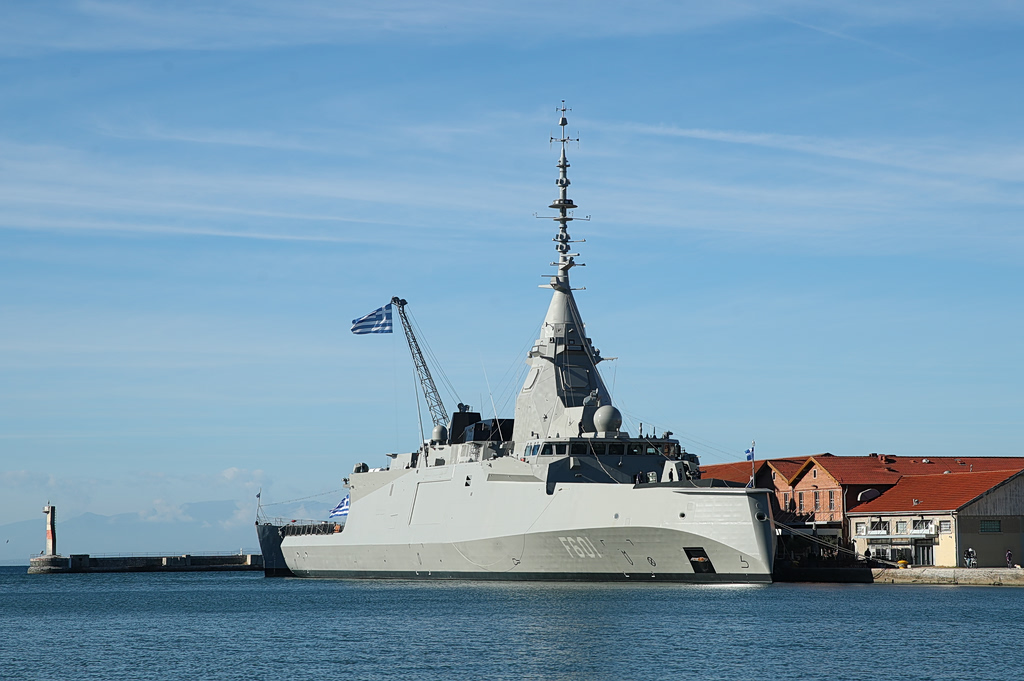
The frigate Kimon, the most advanced vessel in the Hellenic Navy, is docked at the Port of Thessaloniki ahead of the October 28 national holiday celebrations. The ship will be open to the public as part of the events marking the anniversary. Friday, October 23, 2026. (Nasos Simopoulos / EUROKINISSI)
Greece plans to spend approximately 28 billion euros on defense through 2036. Its modernization program includes 20 US-made F-35 fighter jets, the modernization of additional F-16s, the acquisition of 35 Black Hawk helicopters and the development of the Israeli-equipped Achilles Shield multilayered air and missile defense system. Athens is also strengthening its navy through the acquisition of four French-built Belharra-class frigates.
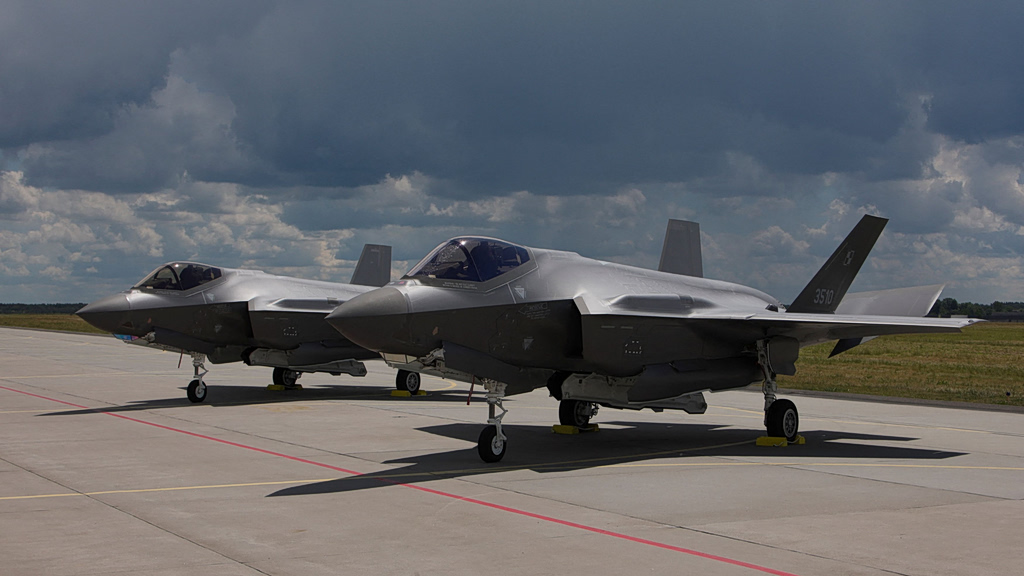
Newly acquired Polish F-35 Lightning II stealth strike fighters, named ‘Husarz’ in reference to the Polish “winged hussar” cavalry units, are presented at the military airport in Lask, Poland, June 12, 2026. REUTERS/Kuba Stezycki
A US arms package discussed during Secretary of State Marco Rubio’s October visit was valued at up to $4 billion and included advanced munitions, further F-16 upgrades and helicopter support. The package complements Greece’s broader multiyear procurement program, although individual acquisitions remain subject to the relevant approvals and contractual procedures.
Turkey, meanwhile, is combining foreign acquisitions with efforts to develop a more self-sufficient defense industry. Ankara has lobbied to buy 20 Eurofighter Typhoon aircraft from the UK and is pursuing additional aircraft from Qatar and Oman. Its longer-term plans include a domestically developed fighter plan, alongside investment in air defense systems, drones and naval construction.