
 Μake us preferred on Google
 The European Public Prosecutor’s Office (EPPO) has uncovered a €47 million VAT carousel fraud scheme in Greece, with coordinated raids leading to what authorities describe as the country’s largest-ever seizure of digital assets.
Searches and seizures were carried out last week at multiple locations in the Attica region and the northern Greek city of Kastoria as part of an investigation into suspected VAT fraud involving the trade of small electronic devices and the laundering of criminal proceeds.
Cross-border network under investigation
The investigation, which began nearly a year ago, has so far uncovered what prosecutors describe as a complex network of companies based in Bulgaria, Cyprus, the Czech Republic and Greece.
According to investigators, the companies were used to facilitate the cross-border trade of small electronic goods within the European Union through a VAT carousel fraud scheme.
The suspected operation is believed to have relied on so-called “missing trader” companies—businesses created to evade VAT obligations while exploiting the tax exemption applied to cross-border transactions within the EU.
Investigators say that between 2021 and 2025, the network distributed electronic products across Greece and other EU member states while avoiding VAT payments or fraudulently claiming VAT refunds that had never been paid.
The scheme is estimated to have caused losses of at least €46.9 million to the budgets of Greece and the European Union through unpaid VAT. Investigators also identified indications that a further €24.2 million in VAT was either unpaid or incorrectly declared.
Record cryptocurrency seizure
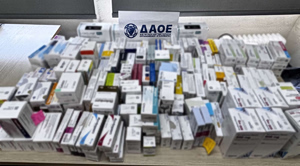
During the operation, investigators seized documents, accounting records and digital evidence, along with €99,000 in cash and three luxury vehicles.
Authorities also froze cryptocurrencies worth approximately €900,000 and other digital assets valued at around €4.5 million.
According to the Greek authorities, this represents the largest seizure of digital assets ever carried out in the country. The assets were identified and secured through advanced digital forensic analysis and targeted investigative techniques designed to overcome complex digital security measures.
In addition, freezing orders were issued for 88 properties with an estimated value exceeding €4.5 million, as well as multiple bank accounts. Greece’s anti-money laundering authority also assisted in identifying and freezing bank accounts in other European Union member states.