 Μake us preferred on Google
 A second round of price increases in the dairy sector within two to three months is set to take effect on October 1. The previous round, which covered dairy products as a whole, took place over July and August. The increases announced by dairy companies, and mainly by cheese producers, concern dairy and cheese products made with sheep’s milk. Supermarket chains were informed in recent days and have sent the new price lists to the Ministry of Development.
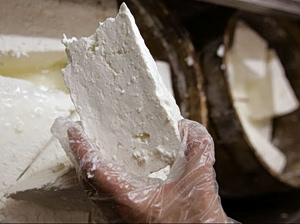
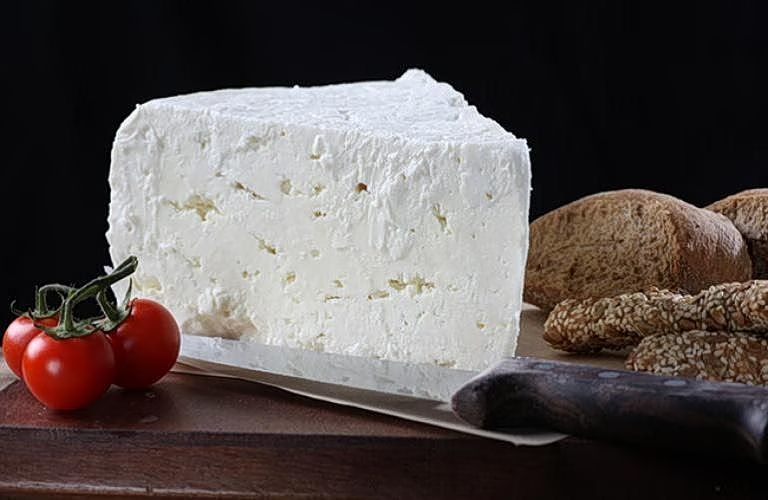
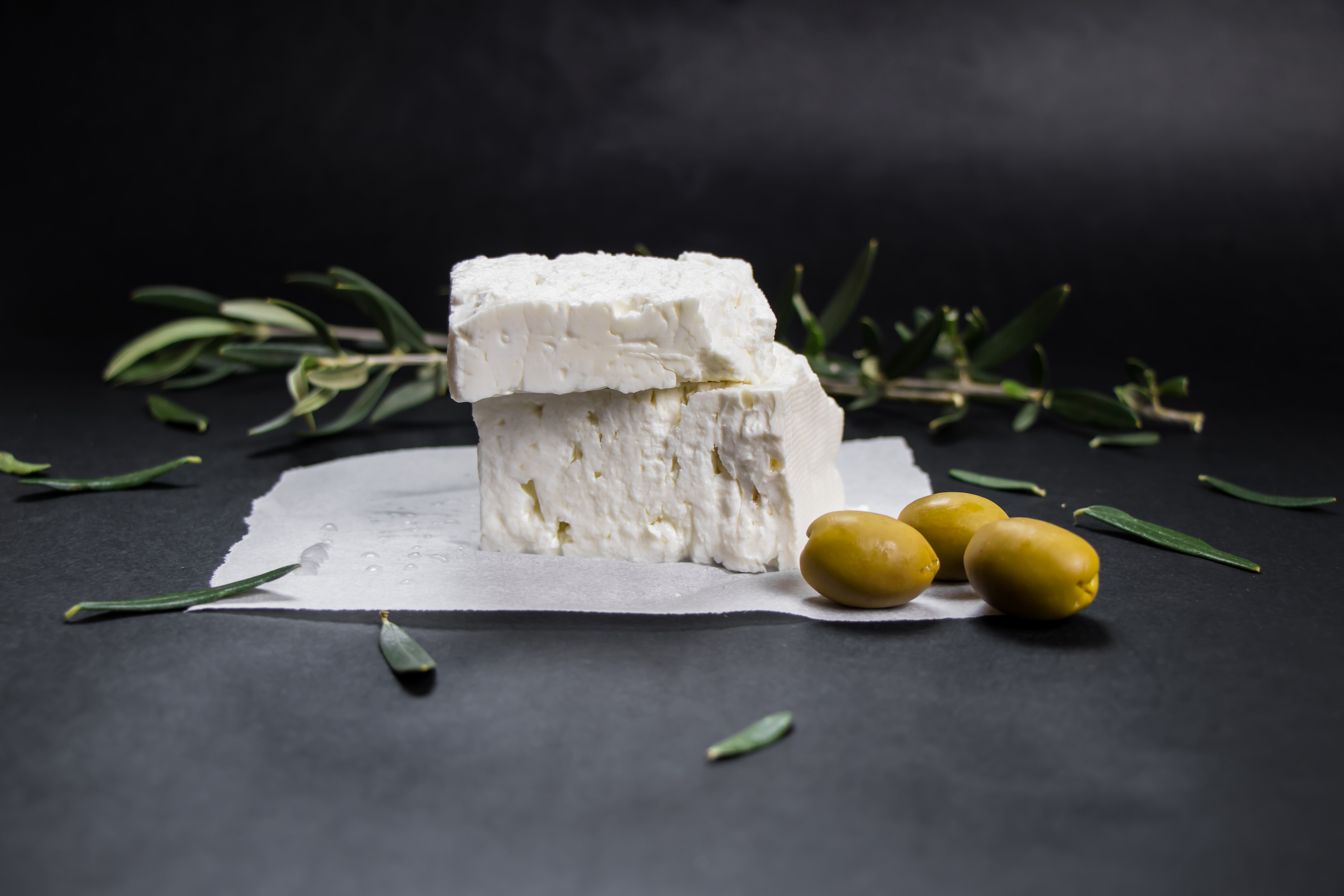
This mainly affects feta, and of course kasseri, but it applies to all cheese products made from sheep’s milk. According to Oikonomikos Taxydromos (OT), the increases come in three tiers: 5%, 7% and 9%.
The severe shortage of raw material, namely sheep’s milk, is the result of the sheep pox outbreak that has hit Greek livestock farming over the past two years, with more than 450,000 sheep lost. Combined with the inability to rebuild flocks under EU legislation, this has pushed the producer price above 1.62 euros per kilo.
The Pressures on Feta Production
This has happened at a time when feta’s international performance has been exceptional. Export demand is at its peak and the needs of Greek cheesemakers have risen sharply. At the same time, the available quantities of raw material have shrunk.
On the other hand, dairy companies and cheese producers are not willing under any circumstances to support the domestic market by cutting back on exports. The opposite is happening and will continue to happen.
Meanwhile, after the turbulent year of 2022, when rising feta prices opened up room in the market for so-called “white cheese,” made from cow’s milk and significantly cheaper than feta, this product gained a large market share, which now stands above 15%.
As a result, a new round of price increases is expected, this time for cheese products made from cow’s milk. This is because the new rise in feta prices is expected to boost consumer demand for “white cheese” and, in turn, demand for raw material. Today, the price of cow’s milk stands at 53 cents per kilo, the second highest in the European Union after Cyprus.
What Is Happening With the Price Reduction Initiative
The dairy and cheese sector, however, may turn out to be the exception in the market. The price reduction program run by the Ministry of Development is set to end at the end of October, leaving the last two months of the year “free.”
The ministry’s political leadership, as well as the Independent Authority for Market Supervision and Consumer Protection, want the program to continue through the final two months of the year. Recently, SEV President Spyros Theodoropoulos said that the matter will be discussed again from November 1.
However, the reaction from businesses over higher energy costs does not leave much room for optimism. In addition, according to market sources, companies want to have a free hand, especially in December when their turnover doubles, to follow the commercial policy they see fit, meaning they want to use strong promotional offers.
According to the same sources, in the best case, and if government pressure increases, companies may include slow-moving products in the new program, in order to meet the Independent Authority head’s goal of 1,000 products at low prices.
It is worth noting, however, that the 840 branded products currently included in the reduced price program account for just 3% of supermarket chains’ turnover, as OT has revealed. In September, their share of turnover rose to 5%, but according to the same sources, this was mainly due to consumers shifting from one product to another made by the same company.