 Μake us preferred on Google
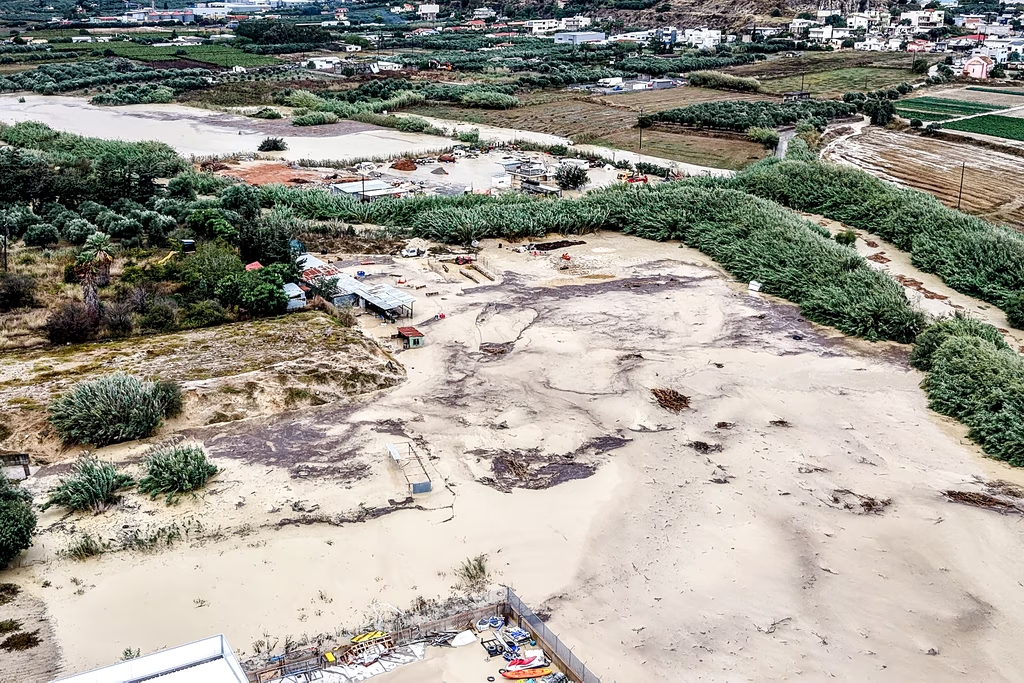
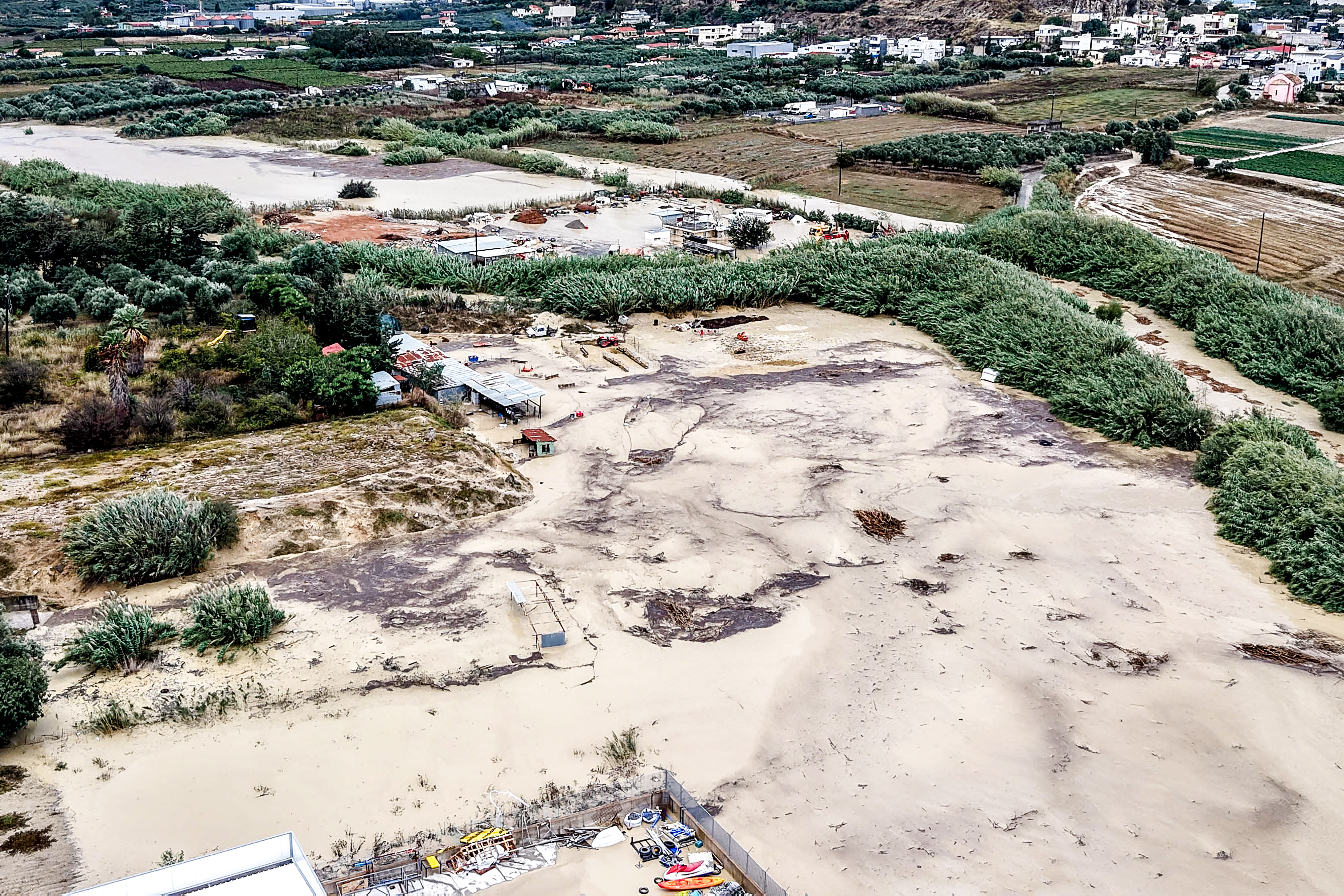
 Crete was hit by severe storms on Thursday, leaving one livestock farmer dead, flooding homes, damaging roads and bridges, sweeping away vehicles and prompting authorities to deploy additional emergency crews across the island.
The 80-year-old farmer from Karines in the Municipality of Agios Vasileios, Rethymno, had gone to his livestock enclosure on Wednesday evening but failed to return or make contact. Authorities launched a search operation after his disappearance was reported.
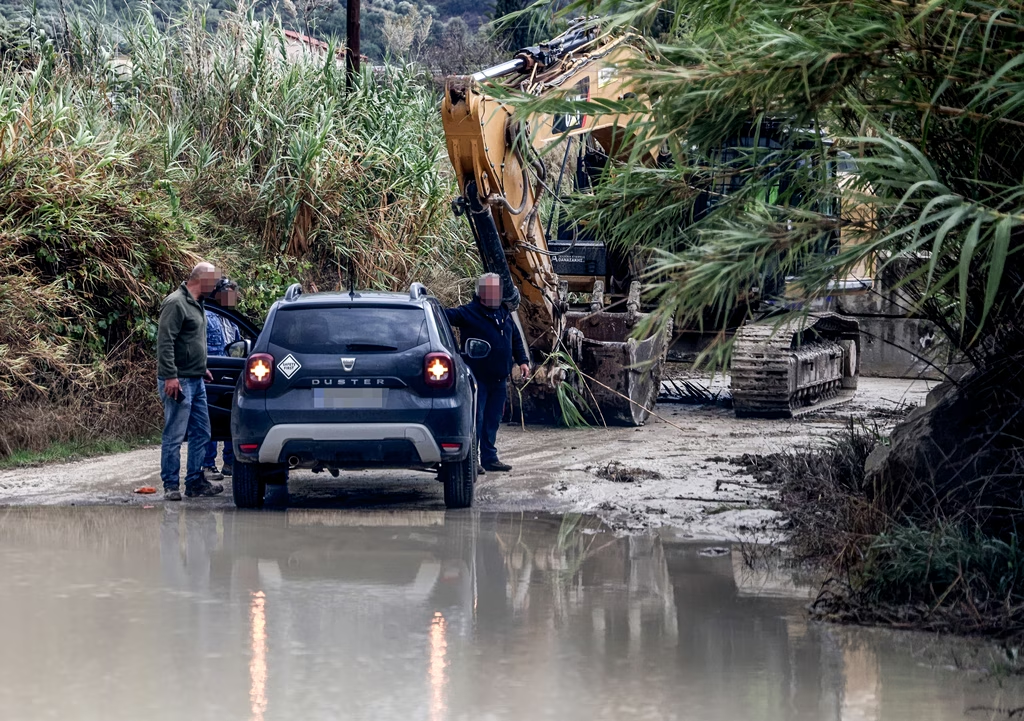
He was eventually found dead in a stream directly below his livestock enclosure. The search operation was complicated by the severe weather conditions in the area. Police and Fire Service crews remained at the scene to recover his body, while the exact cause of death was under investigation.
The storm has caused some of its most serious problems in the regional units of Rethymno, Chania and Heraklion, with extensive flooding and damage reported across the island.
112 alert as Mylopotamos bears the brunt
Shortly before 7 a.m. Thursday, Greece’s emergency alert system, 112, sent a message to residents in Rethymno, urging people to limit travel in the areas of Zoniana, Livadia and Mylopotamos.
The mountainous area of Mylopotamos was particularly badly affected. Floodwaters carried debris and rocks onto roads, blocked streams and caused the level of the Zonianós River to rise significantly.
In Livadia, rushing water swept away the Diskouriou Bridge as an elderly couple was driving through the area. Their vehicle fell into the riverbed and both were injured. They were taken to the University Hospital of Heraklion, known by its Greek acronym PaGNI, for medical care and examinations. Initial information indicated that their lives were not in danger.
Mylopotamos Mayor Dimitris Klados said the bridge had been swept away by the river, adding that the couple’s survival meant there had been no fatalities in the incident.
Klados described the situation across the municipality as tragic, saying he could not remember anything similar during his 50 years and that older residents recalled the disasters of 1986.
In Zoniana, debris and rocks blocked streams and floodwaters entered the village, sweeping away cars. Similar conditions were reported in Livadia, while roads across several parts of the municipality suffered extensive damage. Klados called for coordination with the relevant ministries to address the situation.
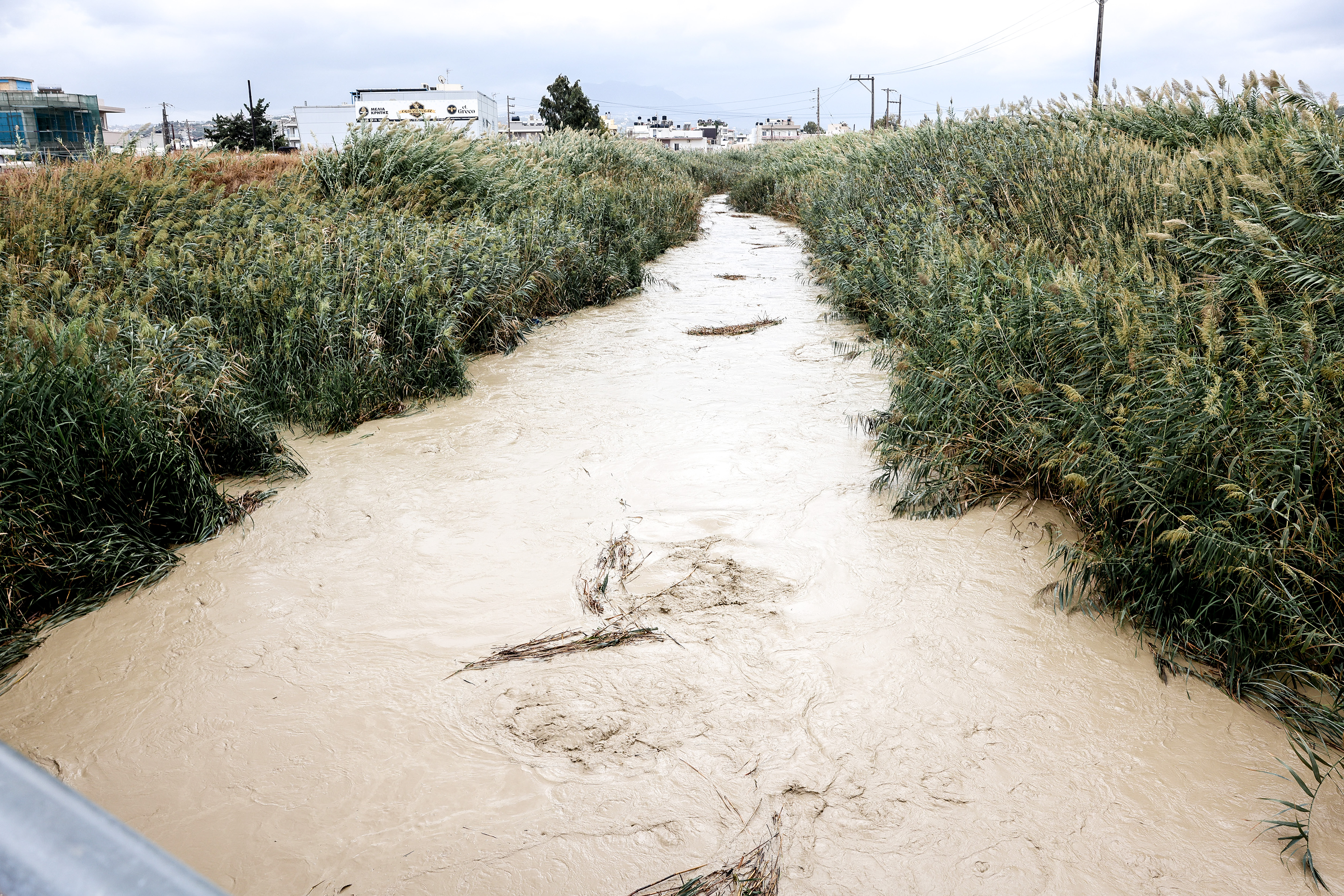
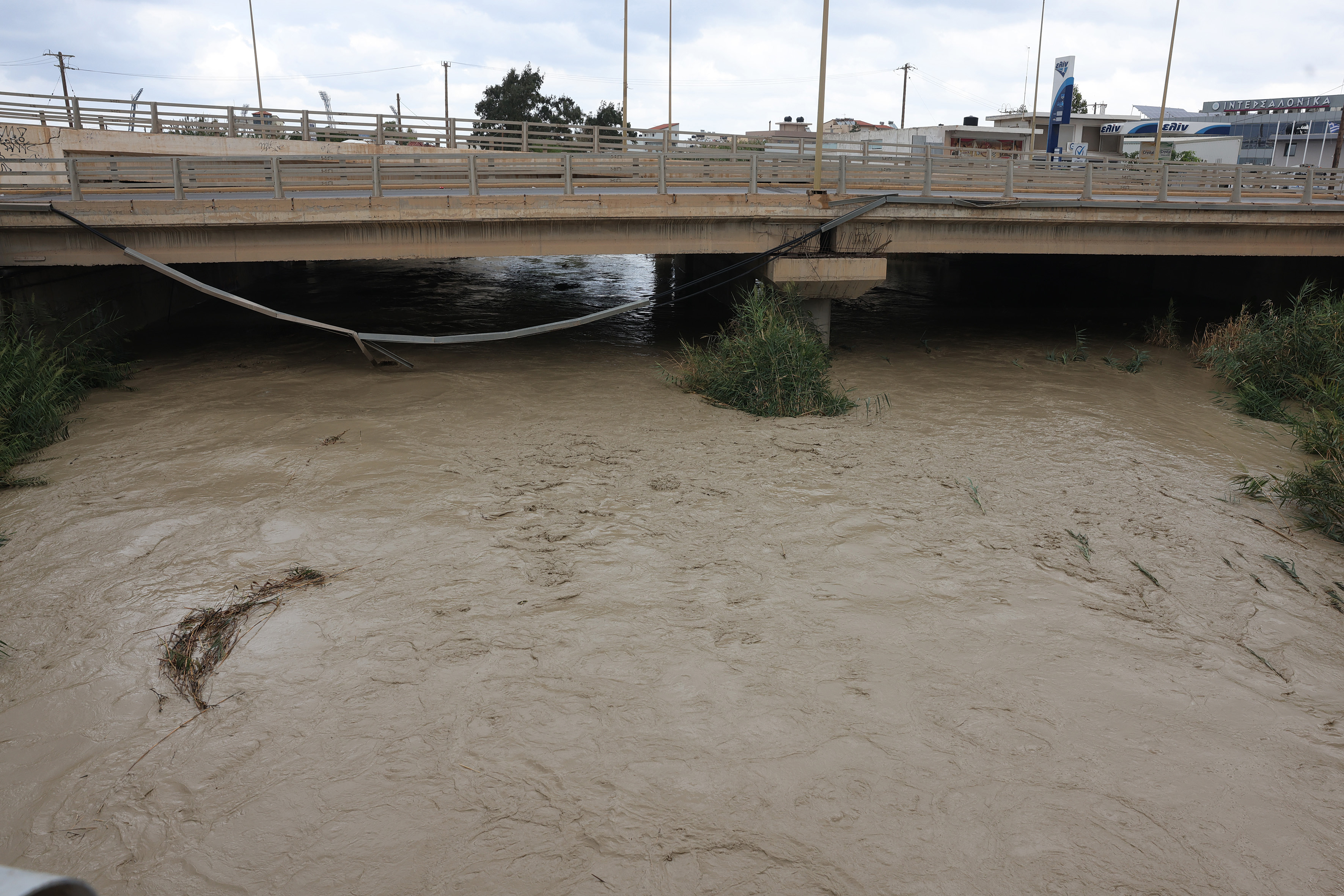
Κακοκαιρία στη Κρήτη. Υπερχείλιση στον ποταμό Δρακουλιάρη στο Ηράκλειο. Πέμπτη 1 0κτωβρίου 2026 (ΣΤΕΦΑΝΟΣ ΡΑΠΑΝΗΣ / EUROKINISSI)
A driver was also trapped inside a vehicle in the mountainous area of Mylopotamos, particularly around Zoniana, Livadia and Axos. Firefighters intervened to free him as the river continued to rise because of the large volume of water.
Rethymno Deputy Regional Governor Mary Lionis described the situation as extremely difficult and urged residents to exercise particular caution, avoid unnecessary travel during the severe weather and follow Civil Protection instructions.
Homes flooded as roads become impassable
In Rethymno, homes were flooded as firefighters worked continuously to pump out water. One resident in Zoniana described the water as entering the house “like a river.”
Damage was also reported in Roukani, where homes, sheds, walls and farm buildings were affected. The village remained cut off from the Prophet Elias area and above because of the condition of the road network. Several homes flooded, including one where a family was asleep and was awakened by the sound of the water.
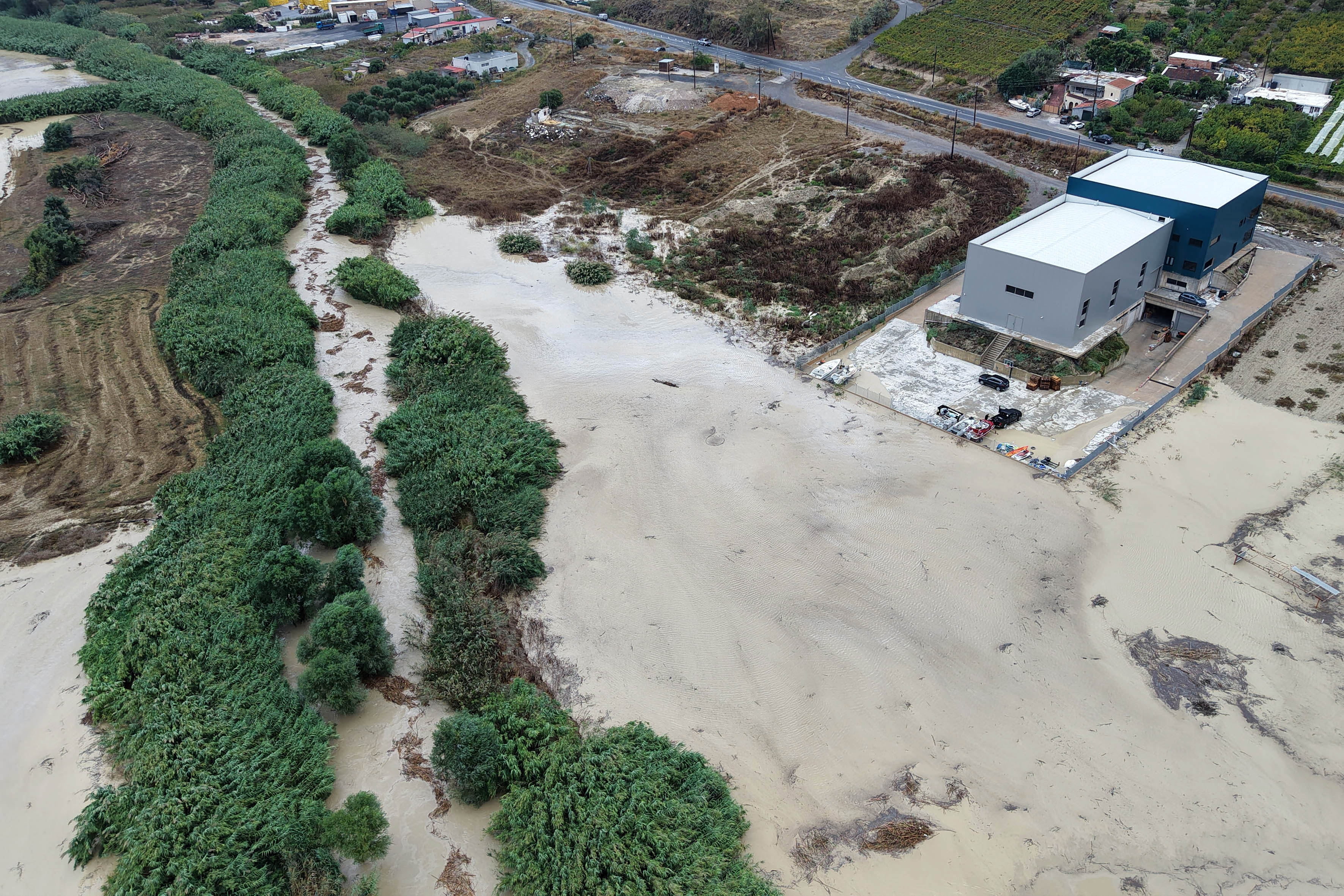
In the Municipality of Hersonissos, heavy rainfall created dangerous conditions in several locations. Vehicles were swept away, roads were closed and the Aposelemis River overflowed downstream.
Three cars were reportedly swept away by rushing water near a well-known hotel in the Gouves area.
More than 220 millimeters of rain in Prophet Elias
In the Heraklion regional unit, the most serious problems were reported in the municipalities of Minoa Pediada and Hersonissos.
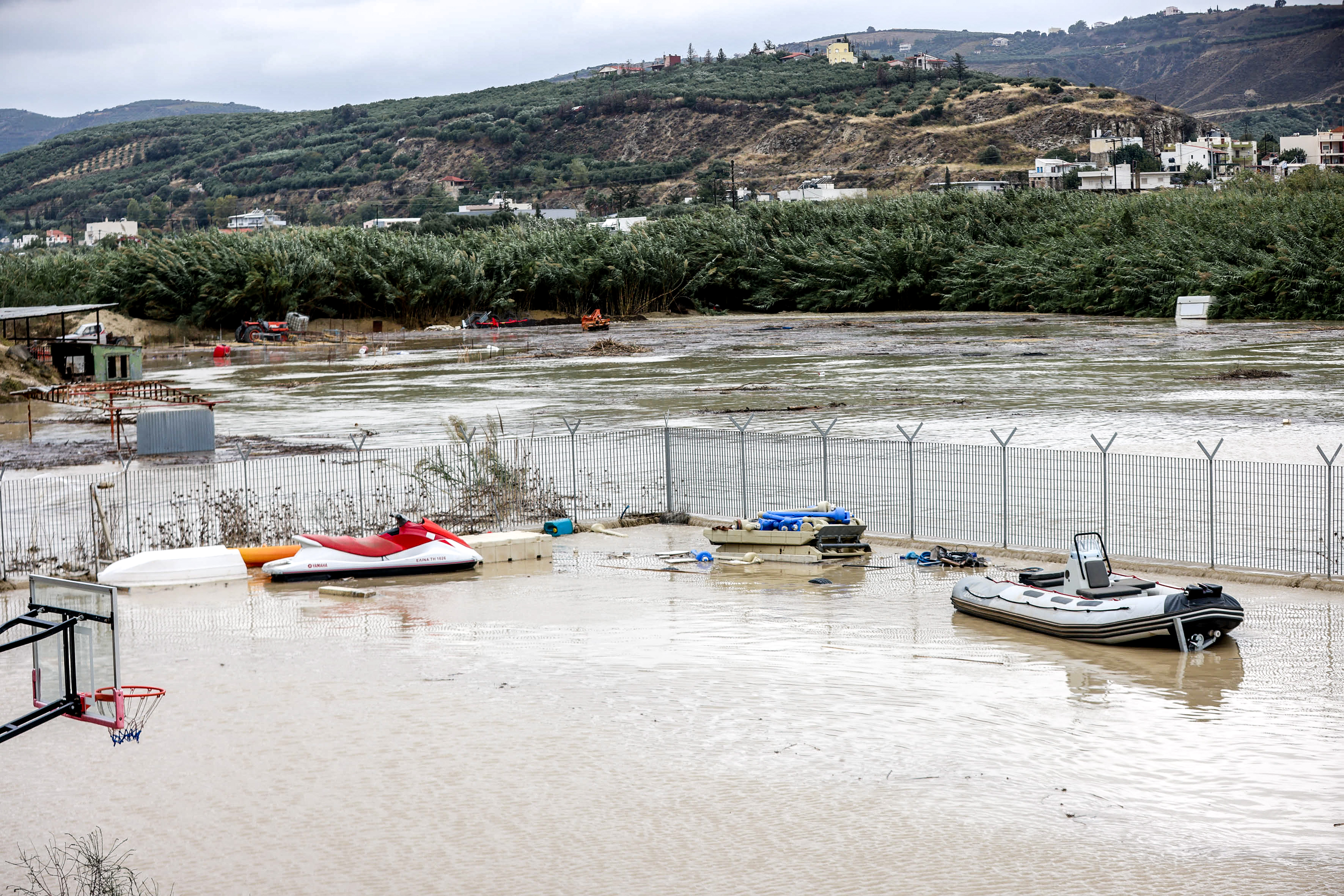
Large amounts of water fell in the Prophet Elias area. Heraklion Deputy Regional Governor Nikos Syrigonakis said the area had produced an exceptionally large volume of water, with flows moving toward the Drakouliaris River and authorities also turning their attention to the Giofyros area.
(ΣΤΕΦΑΝΟΣ ΡΑΠΑΝΗΣ / EUROKINISSI)
Priamos Ieronymakis, the regional councilor responsible for rural quality-of-life issues, said rainfall in the Prophet Elias area had exceeded 220 millimeters. The rain carried debris onto roads, while heavy machinery was mobilized to restore access where necessary.
Traffic problems were also reported in several parts of the regional unit. The road from the bridge at Kyparissi toward Karkadiotissa and Epanofisi was inaccessible.
Similar scenes were reported in Sitia, particularly in Palekastro, where large amounts of muddy water covered cars in a parking area.
Power outages were reported in several parts of Heraklion, including Agios Ioannis, also known as Chostos, and Tsalikaki.
Schools closed across affected areas
Schools in Chania and Rethymno remained closed because of the dangerous weather, with classes being held remotely.
In the Municipality of Mylopotamos, all primary and secondary schools, as well as infant and childcare centers, suspended operations.
All schools in the Municipality of Minoa, along with infant and childcare centers, were also closed on Thursday, Oct. 1, because of the adverse weather conditions.
Traffic ban imposed on Lasithi Plateau
A traffic ban was imposed early Thursday morning across the Lasithi Plateau because of the extreme weather.
Lasithi Plateau Mayor Giorgos Athanasakis urged residents to remain at home and use the peripheral road only when necessary, warning that the severe conditions were continuing.
The storms have also caused significant damage to crops across the plateau. Athanasakis said agricultural losses were serious but stressed that protecting residents was the immediate priority.
Emergency crews reinforced across Crete
Authorities had already decided on Wednesday to reinforce Crete’s emergency response capacity because of the very high risk of flooding.
On the orders of the Chief of the Fire Service, the head of the Fire Service Operations Branch traveled by ferry from Piraeus to Chania during Wednesday night to coordinate operations, accompanied by additional specialized forces.
The reinforcements included a Swift Water Rescue Team with boats from the 6th Special Firefighting Unit (EMAK), a specialized tracked vehicle and boat from the 1st EMAK, and a team from the Fire Service’s Motorized Special Operations Unit (METPE) equipped with pumping systems.
The additional forces were deployed to strengthen the operational readiness of Crete’s Fire Service and respond immediately to potential problems caused by heavy rainfall and flooding.
Municipalities, the regional authorities, the Fire Service and all other agencies involved in the emergency response remain on heightened alert as the bad weather is expected to continue.
Authorities are urging residents to avoid unnecessary travel and not to attempt to cross streams, torrents or sections of the road network where water has accumulated.
The Region of Crete has placed its Civil Protection mechanism under a “Red Code” through Sunday, Oct. 4, with the relevant services remaining on heightened operational readiness.