 Μake us preferred on Google
 Greek health authorities have expanded the list of municipalities considered at high risk for West Nile virus transmission after a rise in locally acquired infections during the 2026 transmission season.
According to the National Public Health Organization (EODY), a total of 21 locally acquired cases had been diagnosed and investigated as of 4:00 p.m. on July 22.
The vast majority of patients developed severe illness. Of the 21 confirmed cases, 20 involved central nervous system complications, including encephalitis, meningitis, and/or acute flaccid paralysis, while one patient experienced only mild symptoms or no central nervous system involvement. No deaths have been reported so far.
Five Additional Municipalities Placed on High Alert
In addition to municipalities where human infections have already been confirmed, authorities have designated five more municipalities in the greater Athens area as high-risk zones because of conditions that could favor virus transmission.
The newly added municipalities are:
- Paiania and Rafina-Pikermi in the Regional Unit of East Attica.
- Amarousio (Marousi), Iraklio, and Filothei-Psychiko in the Northern Athens Regional Unit.
Although no human cases have yet been recorded in these municipalities, EODY said they face significant risk factors, including their proximity to affected areas, geographic characteristics, and historical epidemiological data. The areas have therefore been placed under enhanced surveillance.
Health Authorities Urge Mosquito Protection
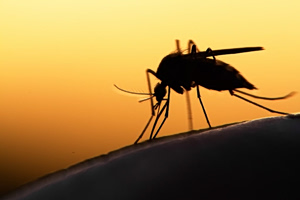
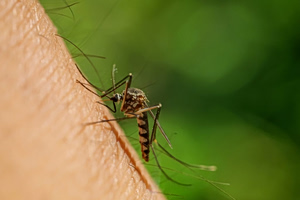
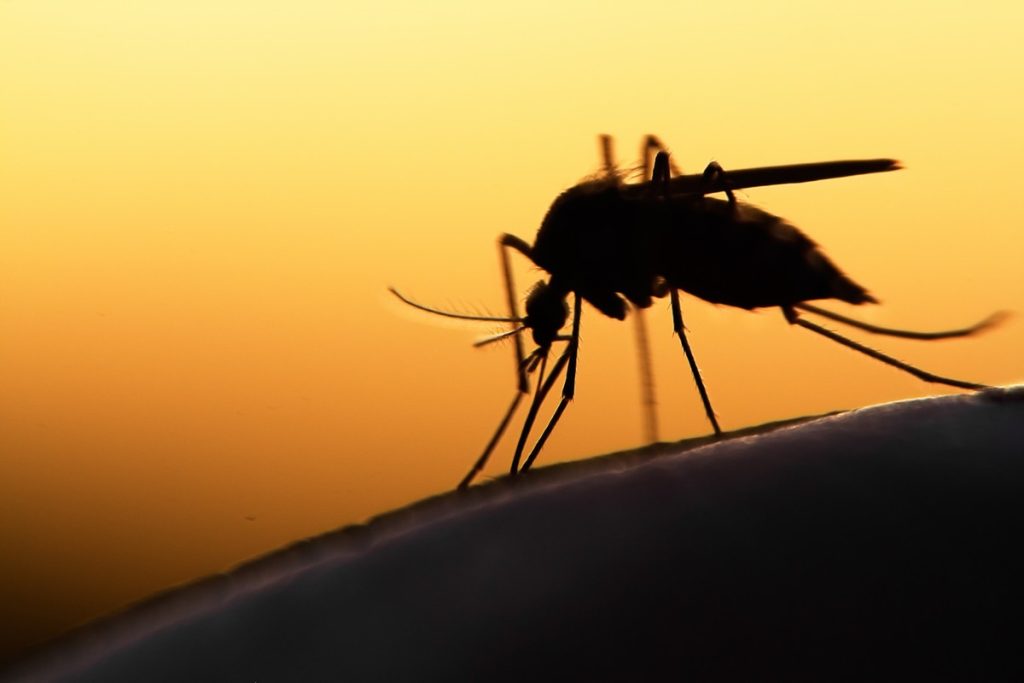
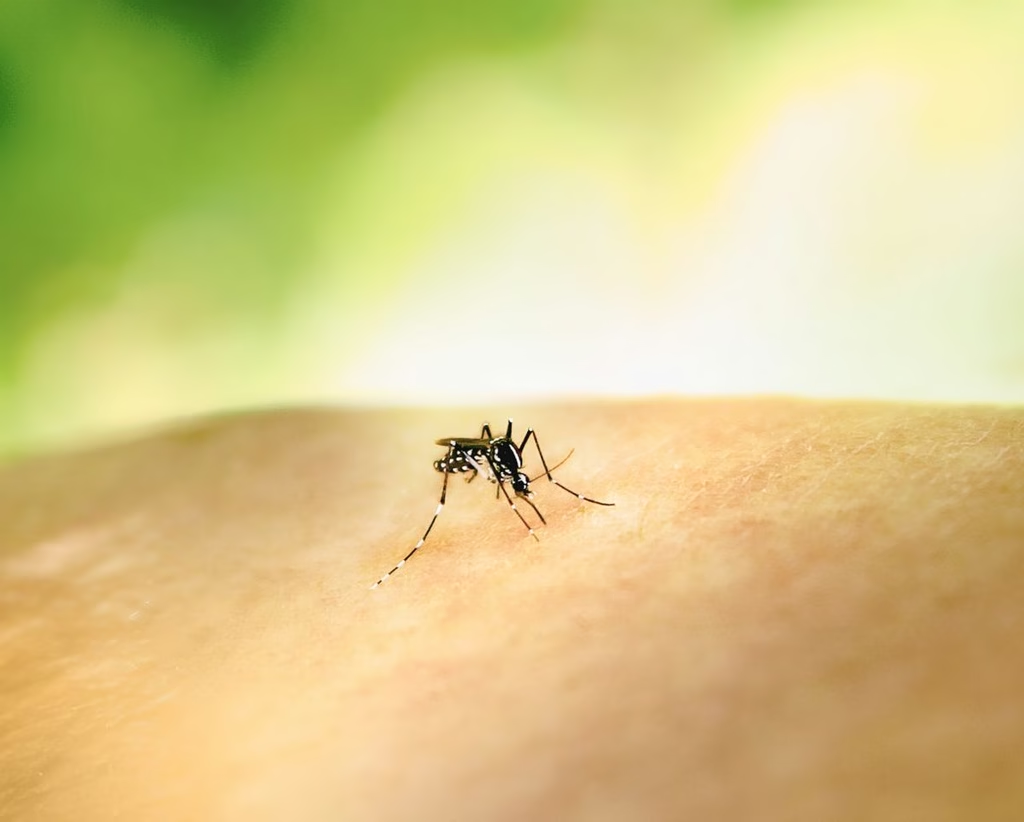
EODY is urging residents to take precautions against mosquito bites, which are the primary means of West Nile virus transmission.
Recommended preventive measures include:
- Use approved insect repellents on the body and in outdoor areas, following product instructions.
- Install or maintain window screens, mosquito nets, air conditioning, or fans where possible.
- Wear long-sleeved clothing and long pants when outdoors.
- Eliminate standing water around homes, gardens, balconies, rooftops, and yards, where mosquitoes breed.
- Empty, cover, or refresh water collected in containers at least once a week.
- Clean gutters, drains, and other areas where water can accumulate.
- Cover septic tank ventilation pipes with mesh screens to prevent mosquito access.