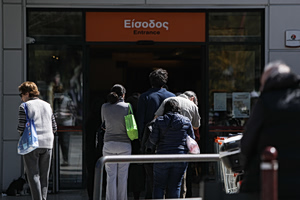
Greek consumers are entering the summer sales season with a stronger focus on saving money while still looking for quality, according to recent research on changing spending habits.
Rather than paying more simply for a well-known brand, shoppers are increasingly comparing prices, searching for genuine discounts and making purchases based on their actual needs. The shift comes as households continue to feel pressure from higher costs, leading many to reconsider their spending choices.
The summer sales period, which began on July 13 and runs until August 31, is expected to provide support for retailers and small businesses operating in a challenging economic environment. However, consumer behavior has changed significantly in recent years, with shoppers becoming more informed, cautious and selective.
Private-label products gain popularity
The pressure on household budgets has strengthened demand for private-label products, which are often cheaper alternatives to branded goods. Consumers are also becoming less willing to pay higher prices solely because of a brand name.
Research indicates that many households have reduced spending even on essential goods and services due to price increases. Depending on the sector, the share of consumers reporting reduced purchases ranges from 16% to 56%.
At the same time, consumers are paying closer attention to how companies respond to rising prices. Many are willing to move away from brands they believe are not acting fairly or transparently.
Discounts attract shoppers, but purchases remain limited
According to consumer trends research, discounts remain a major incentive, particularly during periods of financial pressure. Many shoppers have delayed planned purchases until major sales events in order to secure lower prices.
However, experts expect consumers to focus mainly on necessary or planned purchases rather than spending freely.
“Consumers have become more selective and more willing to change the brand or store they buy from,” according to Thanos Mavros, partner and head of consumer products at EY Greece. He noted that shoppers are increasingly researching, comparing and evaluating products before making a purchase.
Consumers are also looking for what they consider “real discounts” and greater transparency from businesses, with trust becoming a key factor in purchasing decisions.
Holidaymakers look for cheaper summer options
The same cautious approach is reflected in Greeks’ holiday plans for summer 2026, with many travelers attempting to control costs through cheaper accommodation and reduced spending on dining out.
A survey by the Institute of Retail Consumer Goods Research (IELKA), based on responses from 700 consumers across Greece, found that many holidaymakers are preparing meals themselves and relying more on local shops rather than restaurants.
Around 41% of respondents said they often cook during their holidays, while 70% said they regularly visit supermarkets or mini markets. A further 79% visit bakeries, while only 28% said they never cook while away.
More than half of respondents (62%) said they prefer buying local products, supporting local businesses while seeking more affordable options.
Meanwhile, 45% said they plan to reduce their holiday shopping expenses this year. Higher ticket prices were identified as the biggest financial burden, followed by dining costs and accommodation expenses.
Many Greeks choose shorter and more affordable trips
Half of those surveyed said they do not plan to take a summer holiday in 2026, a figure similar to last year. Among those who will travel, most are planning shorter breaks.
About 42% expect to be away for four to seven days, while 29% plan trips lasting eight to 14 days. The average holiday duration for those travelling is estimated at 11.4 days.
Accommodation choices also reflect efforts to save money. The majority prefer staying in holiday homes, either their own (35%), owned by others (18%), or rented. Around 35% choose rented rooms, while only 14% plan to stay in hotels.
More expensive options, such as all-inclusive resorts and cruises, remain among the least popular choices.
Mainland destinations remain the top choice
For those planning holidays, mainland Greece near coastal areas remains the most popular option, chosen by 57% of travelers. Greek islands follow with 38%, while 11% are considering mountain destinations on the mainland.
Only 9% of respondents said they are planning a holiday abroad.