 Μake us preferred on Google
 Prime Minister Kyriakos Mitsotakis said Thursday that declining crude oil prices should be reflected quickly in lower fuel costs for consumers, as Greece monitors developments in global energy markets amid renewed efforts to stabilize the Middle East.
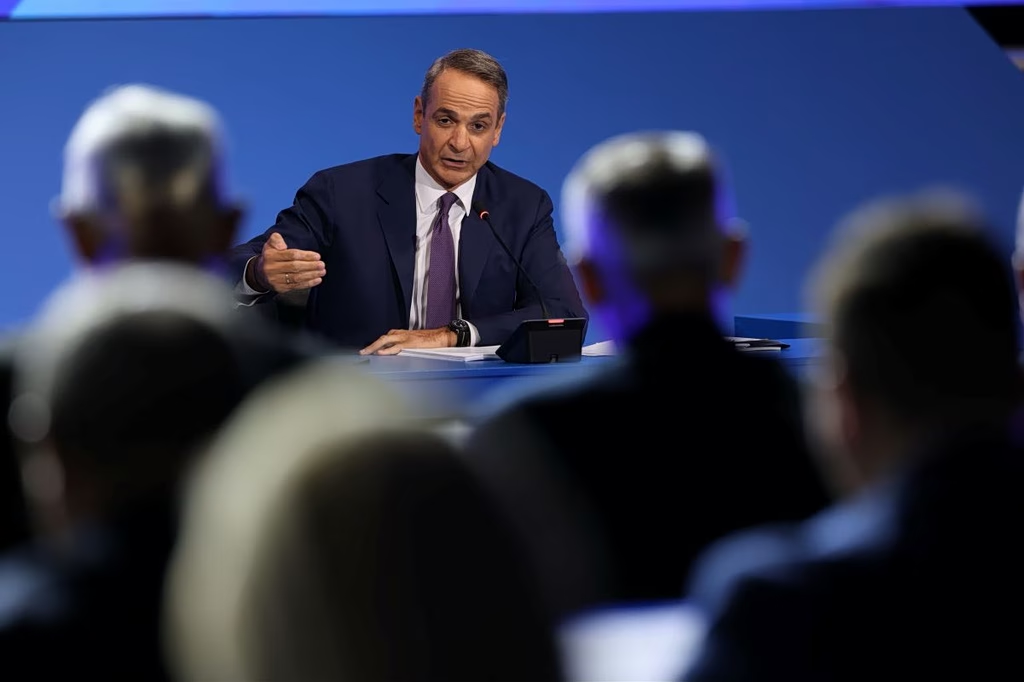
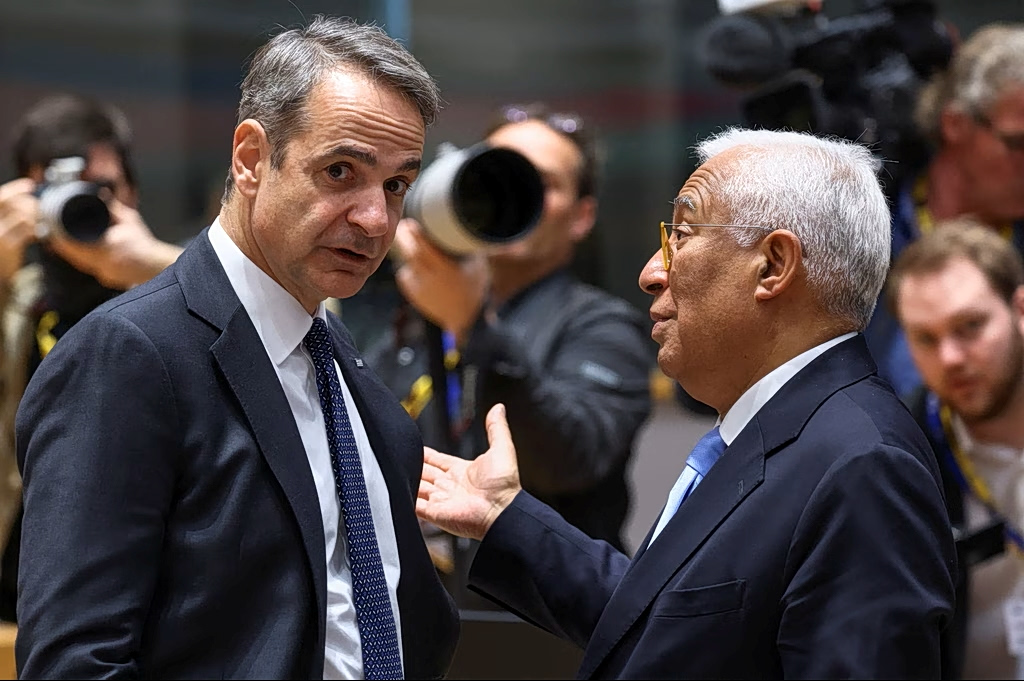
Speaking upon his arrival at a European Council summit in Brussels, Mitsotakis said the government had a responsibility to ensure that reductions in international oil prices translate into lower diesel and gasoline prices at the pump, benefiting Greek households and businesses.
The prime minister also welcomed the agreement reached between the United States and Iran, reiterating Greece’s longstanding support for diplomatic solutions to international disputes. He stressed that the full restoration of freedom of navigation through the Strait of Hormuz remained a priority, while noting that Athens was closely monitoring developments in both oil and natural gas markets.
Energy security and shipping routes have been at the center of European discussions in recent months as regional tensions in the Middle East raised concerns over potential disruptions to global trade and energy supplies. Greece, with one of the world’s largest merchant fleets, has repeatedly emphasized the importance of safeguarding maritime traffic through key international chokepoints.
Turning to the European Union’s next Multiannual Financial Framework, Mitsotakis said the bloc’s ambitious policy objectives required equally ambitious financial instruments. He stressed that Greece, together with a number of other member states, would seek to preserve the core funding allocated to the Cohesion Policy and the Common Agricultural Policy, two pillars that remain particularly important for southern European economies.
The prime minister also argued that the EU’s proposed Competitiveness Fund should be distributed fairly to avoid widening economic disparities between stronger and weaker member states.
On migration and defense, Mitsotakis welcomed plans for increased EU funding to address migration pressures and reiterated Greece’s position that European defense requires stronger common financing mechanisms. Defense, he said, should be treated as a shared European public good, with additional EU-level resources complementing national spending.
The comments come as European leaders continue negotiations over the bloc’s long-term budget, balancing increased spending priorities in defense, competitiveness and migration with demands from member states to preserve traditional funding programs that support regional development and agriculture.