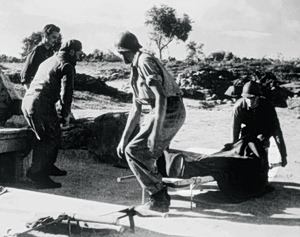
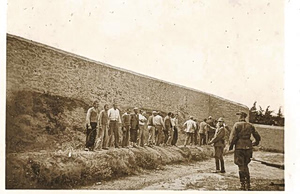
Greek experts from the Ministry of Culture are heading to Ghent, Belgium, to examine a collection of invaluable historical photographs depicting the execution of 200 Greek patriots on May 1, 1944, by Nazi occupiers. The photographs, currently held by a Belgian collector, are at the center of a critical effort to classify them as a protected historical monument, which would form the basis for their repatriation to Greece.
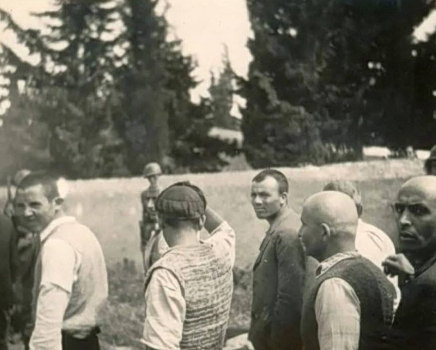
Historical Significance
The images document one of the darkest days of the Nazi occupation in Greece. Survivors’ families, historians, unions, and municipal authorities stress that the photographs should be returned to Greece, specifically to the Communist Party and the National Resistance Museum in Kaisariani, to honor the memory of those executed.
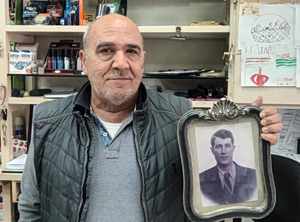
Eyewitness accounts describe harrowing scenes, including the collection of bodies in sacks. Family members recount generational trauma and the bravery of the executed, who faced death with dignity and courage. One account tells of a prisoner throwing a handkerchief with a personal message as he was transported to the execution site, a symbol of defiance and resilience.
Repatriation Efforts
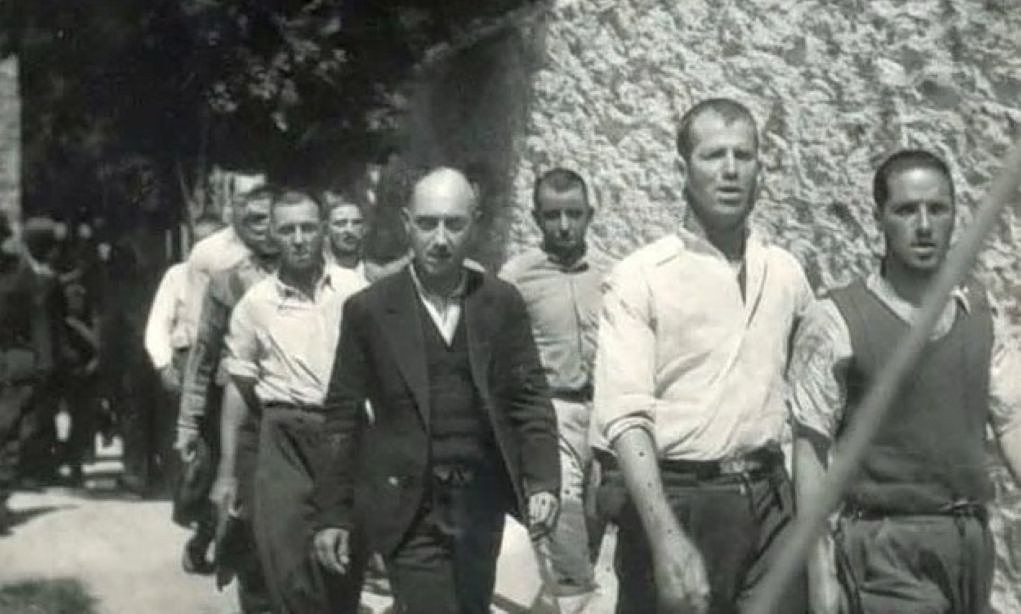
The Belgian collector, who has withdrawn the photos from auction platforms amid public scrutiny, is cooperating with Greek authorities. Experts aim to verify the authenticity of the photographs and identify the individuals captured, primarily members of the Communist Party. Some figures already tentatively identified include Thrasivoulos Kalafatakis and Dimitris Papadopoulos, key figures in the workers’ movement.
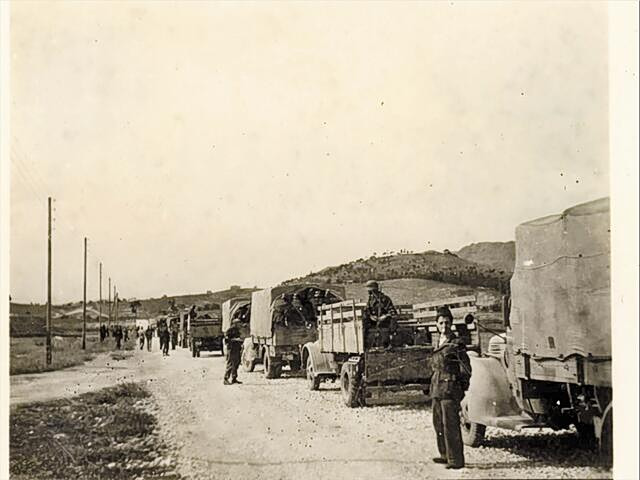
The process underscores Greece’s commitment to preserving its historical memory and ensuring that these documents are safeguarded in public collections. Historian Menelaos Charalampidis emphasized the emotional impact of the photographs, highlighting the courage of those executed.