The cost of food in Greece has continued to rise, with several basic products recording significant price increases over the past year and even steeper increases over the past five years, according to data from the Hellenic Statistical Authority (ELSTAT).
Beef has seen the sharpest increase over the five-year period, with its price rising 75.1% between July 2021 and July 2026.
Overall, prices for food and non-alcoholic beverages increased by 34.3% during the same five-year period.
Biggest food price increases
Between August 2025 and August 2026, several basic food products recorded notable price increases:
- Beef: 13.5%
- Salted fish: 11.5%
- Lamb and goat: 11.3%
- Margarine and other vegetable fats: 9.6%
- Eggs: 4.3%
The five-year figures show an even broader increase in the cost of everyday food products.
Between July 2021 and July 2026, prices rose by:
- Beef: 75.1%
- Chocolate and chocolate products: 60.8%
- Eggs: 47.9%
- Coffee: 43.4%
- Cheese: 38.9%
- Olive oil: 35.4%
- Bread and bakery products: 34%
- Poultry: 31.6%
- Vegetables: 31.3%
- Soft drinks: 30.2%
The figures highlight the extent of the increase in food costs over a five-year period, with several staples recording increases of more than 30%.
Beef prices from producer to consumer
Beef has emerged as the most significant example of rising food prices.
According to the figures cited, the price received by cattle farmers varies depending on the breed and the animal’s weight.
For Holstein cattle, animals weighing more than 300 kilograms are sold for about €6 per kilogram, while those weighing less than 300 kilograms fetch about €5.50 per kilogram.
Beef from crossbred cattle is priced at around €7 per kilogram, while beef cattle raised specifically for meat production fetch between €7.70 and €7.80 per kilogram.
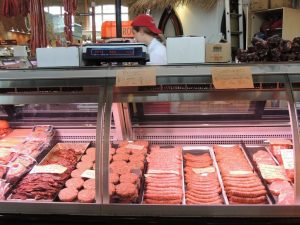
By the time beef reaches consumers, prices range from €14 to more than €22 per kilogram, depending on the cut, quality and point of sale.