 Μake us preferred on Google
 Last Thursday marked the passing of the last male Auschwitz survivor from Thessaloniki, 99-year-old Heinz Kounio, one of the most emblematic figures of a once thriving pre-Holocaust Sephardic Jewish community in the northern Greece city.
Kounio’s daughter, Hella Kounio Matalon, spoke with the Athens daily “Ta Nea” this week, recalling how her late father loved Thessaloniki and especially its sunsets, often saying even days before his death that no city had a more beautiful one.
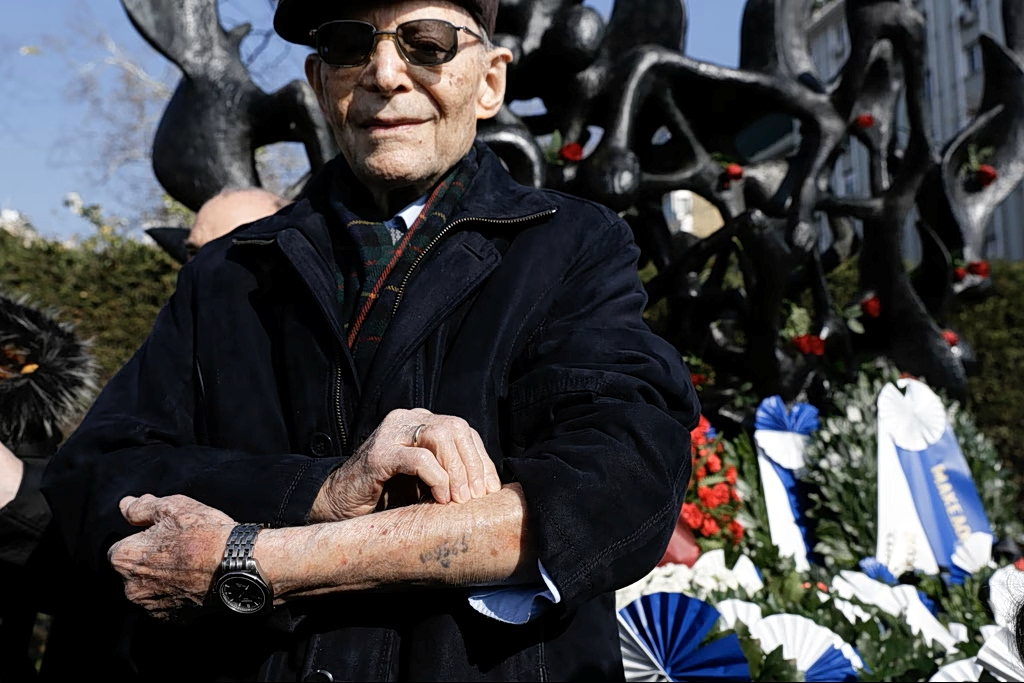
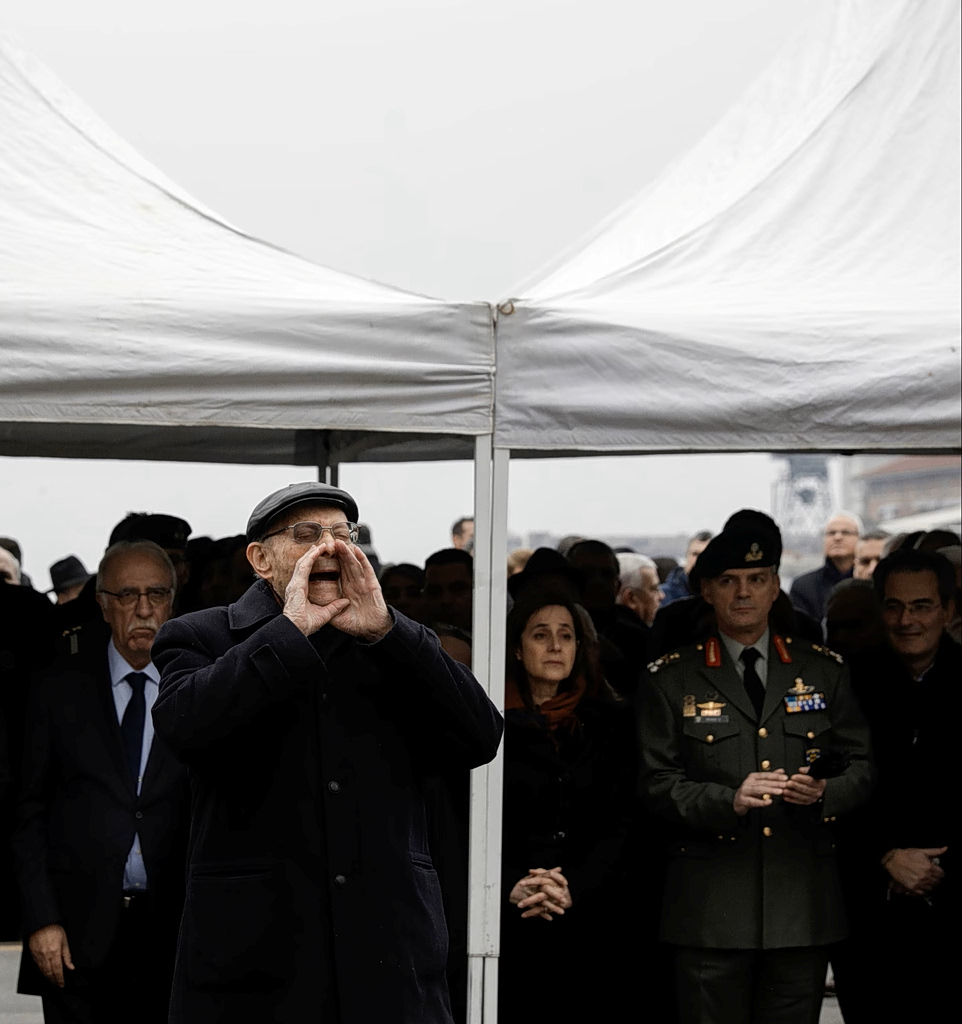
Many locals associated him with the man who each year laid a wreath at the local Holocaust Memorial and declared in a powerful voice: “Never again.”
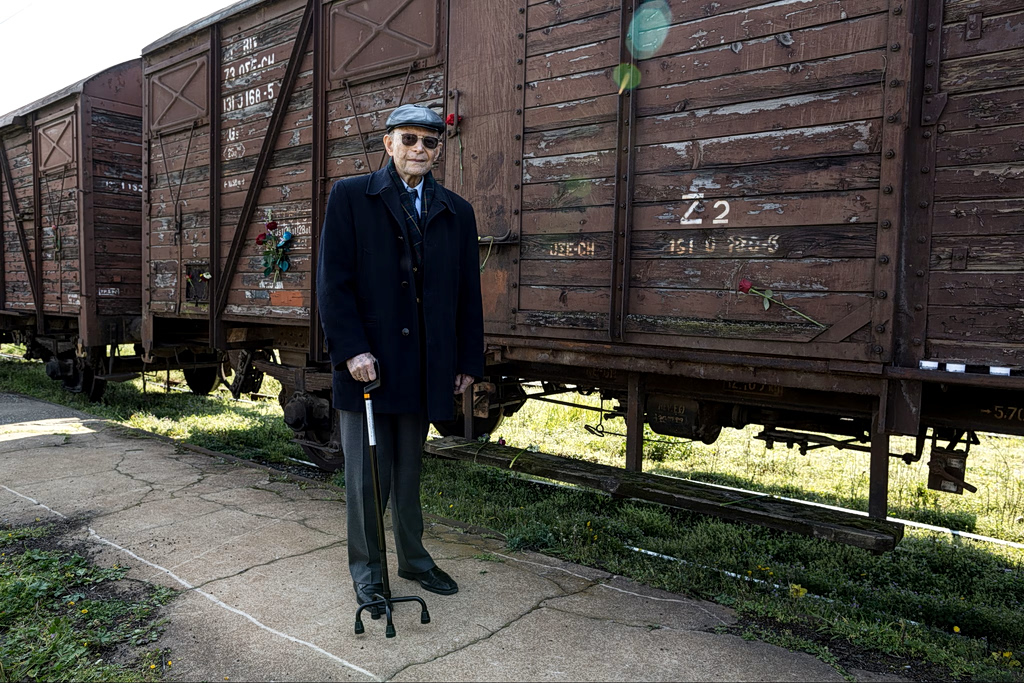
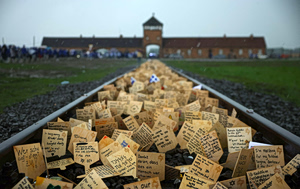
A memorial march marking 72 years since the departure of the first train from Thessaloniki to the Nazi death camps at Auschwitz. The march starts at the Holocaust Memorial in Eleftherias Square and ends at the old railway station, from where the first train carrying the Jews of Thessaloniki departed. Thessaloniki, Greece. March 15, 2015.
Kounio was born in 1927 in Karlovy Vary (now in the Czech Republic) but grew up in Thessaloniki. His family owned a photography shop. When the Germans occupied the city in the spring 1941, their home was partially requisitioned, and later the family suffered arrests and confiscations.
In February 1943, at the age 15, he and his family were forced into the Baron Hirsch ghetto. On March 15 a month later, they boarded a first train from Thessaloniki to Auschwitz, along with 2,800 people.
The journey lasted nearly a week.
Most passengers spoke Ladino, a Judaeo-Spanish dialect, and only a little Greek, yet Kounio’s more educated family also spoke German. It was this skill that saved them, as the young Heinz was one of only four transported Jews who could understand the guards and thus tapped as an interpreter. The Jews from Thessaloniki were the first group of Sephardic Jews to be rounded up and sent to the death camp, while most Ashkenazi Jews understood Yiddish, which included German words and phrases. He and his father also worked as tailors under a shelter, which also helped them survive.
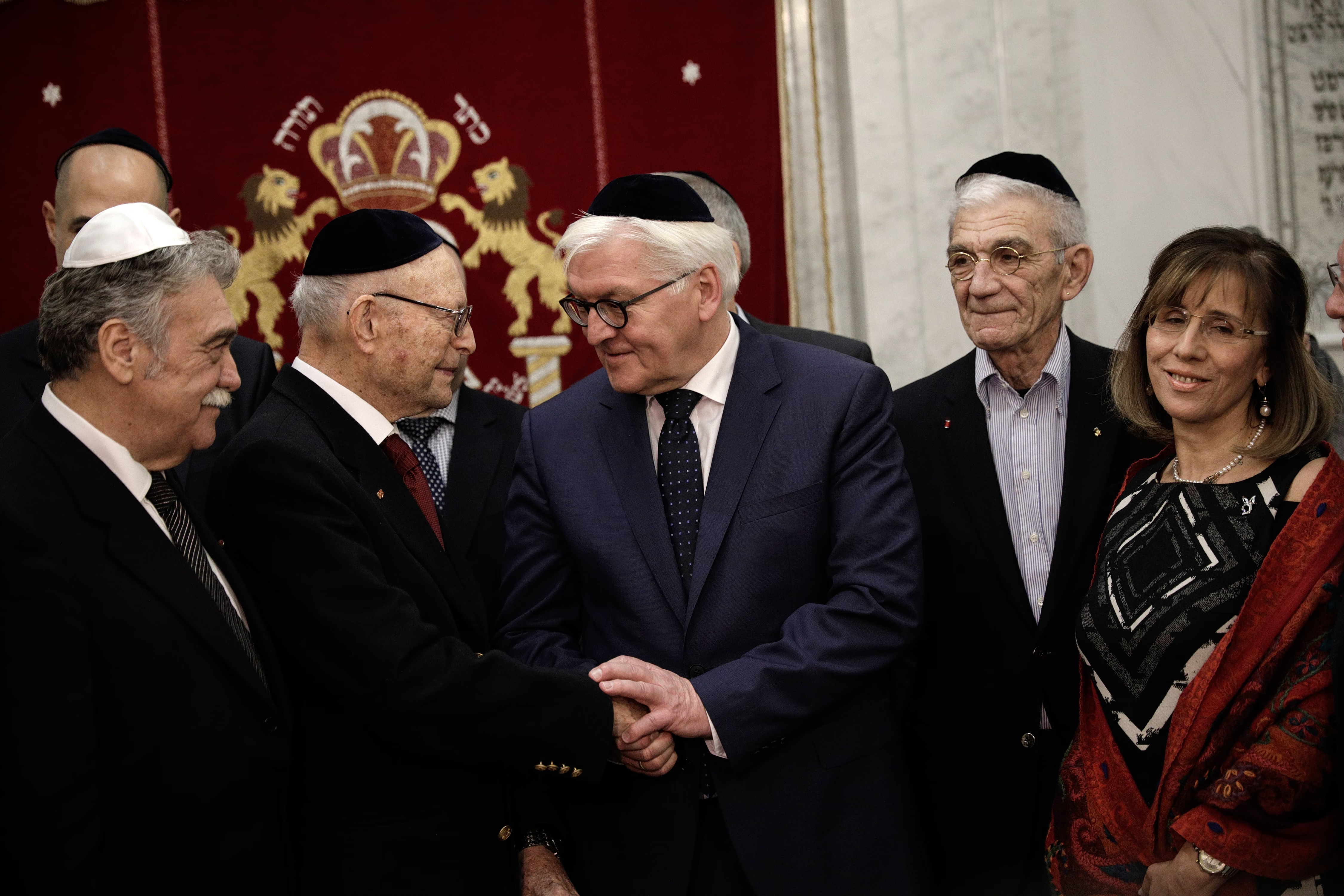
Then German Foreign Affairs Minister Frank-Walter Steinmeier, center, shakes Heinz Kounio’s hand at the Monastir or Monastirioton Synagogue in Thessaloniki, December 4, 2016. The late mayor of Thessaloniki, Yannis Boutaris, is second from right.
Kounio later described the horrors of Auschwitz in his book “I Lived Death” (1981). He survived several near-death moments, including once when he was lined up for execution but spared because a guard grew tired of shooting.
In 1945, as Soviet troops approached, he was transferred west to Mauthausen and its sub-camp at Ebensee, where he was liberated by American forces while weighing a mere 34 kilos. He survived partly thanks to help from fellow Greek prisoners who were communists, as he recalled.
While recovering over the next month, he began writing down his experiences—one of the earliest first-hand accounts of the Nazi evil written so soon after liberation.
After the war, he returned to Thessaloniki and rebuilt the family business. He dedicated his life to preserving Holocaust memory and never spoke with hatred toward Germans.
In fact, Kounio was honored by the Federal Republic Germany for building bridges between peoples and educating younger generations.
A major part of his legacy was documenting the names of Thessaloniki’s Jewish victims. Over decades, he recorded about 37,000 names out of roughly 48,000 victims, despite lost and stolen archives. His work is now held by institutions like the US Holocaust Memorial Museum and Auschwitz-Birkenau.
Friends remembered him warmly as a skilled craftsman, “a master”, as they boasted. He had four children, eight grandchildren and many great-grandchildren, often saying: “Where are you, Hitler, to see us now? This is my revenge.”