 Μake us preferred on Google
 More than eight in ten Greek tourists across all age groups (84 percent) consider sustainable travel important or very important, a rate commensurate with the global average, according to Booking.com’s 11th report.
The report, which focused on tourists’ perceptions and stance on the social and environmental impact of tourism, aggregated data from 32,500 tourists in 35 global markets.
Surprisingly, the findings revealed that while younger generations recognized the need for sustainable travel, they seemed less willing to adopt corresponding actions compared to older generations.
Greek travelers across all ages (66 percent) said their travel choices and holiday planning were increasingly influenced by extreme weather events, compared to 74 percent of the global aggregate.
Nearly seven out of ten (68 percent) of the respondents globally said they intentionally avoided destinations known for extreme weather conditions, with the Greek percentage slightly less at 65 percent.
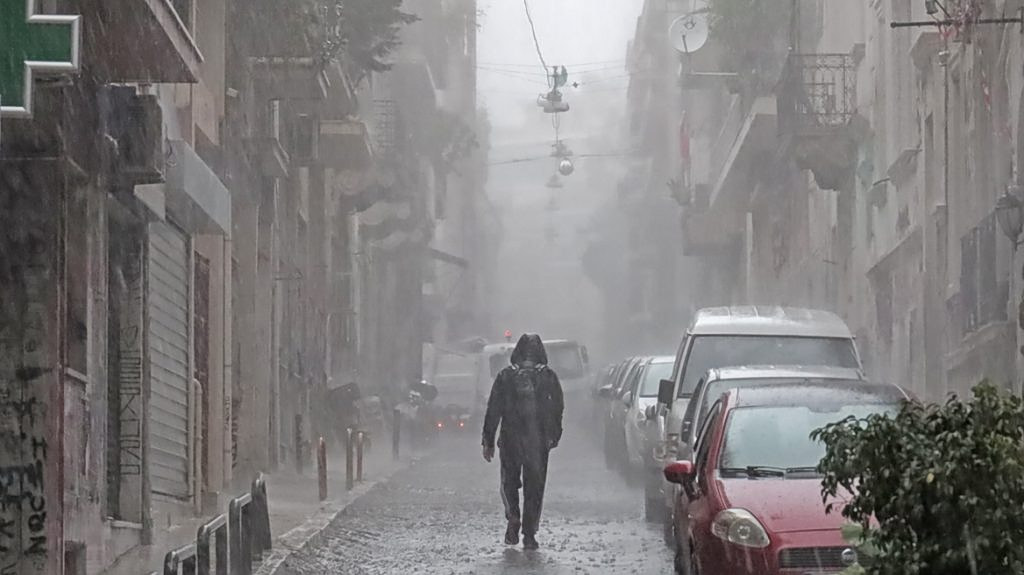
Roughly a third of travelers worldwide — 31 percent— reported that their travel plans had been canceled or changed in the past year due to extreme weather events or natural disasters, such as heatwaves, storms, wildfires, and floods, according to survey data. In Greece, the corresponding figure was notably lower, at 17 percent.
 More than half of respondents globally, 55 percent, said some destinations had become too hot to visit at the time they had wanted to travel there, compared with 49 percent of Greek respondents. Meanwhile, 52 percent worldwide said they had removed destinations from their wish lists after reading about extreme weather or natural disasters, against 43 percent in Greece.
Sustainable Travel Gains Traction Across Generations
Interest in more sustainable travel appears broadly consistent across age groups. More than a third of respondents in every demographic said they intended to stay in sustainability-certified accommodations over the next twelve months: 35 percent among Baby Boomers, 35 percent among Generation X, 36 percent among Millennials, and 35 percent among Generation Z.
The trend is also reflected in actual booking behavior. Data published recently showed that travelers made bookings for 100 million nights in third-party sustainability-certified properties through Booking.com in 2025 alone.

Overcrowding Concerns Drive Off-Peak and Alternative Destination Choices
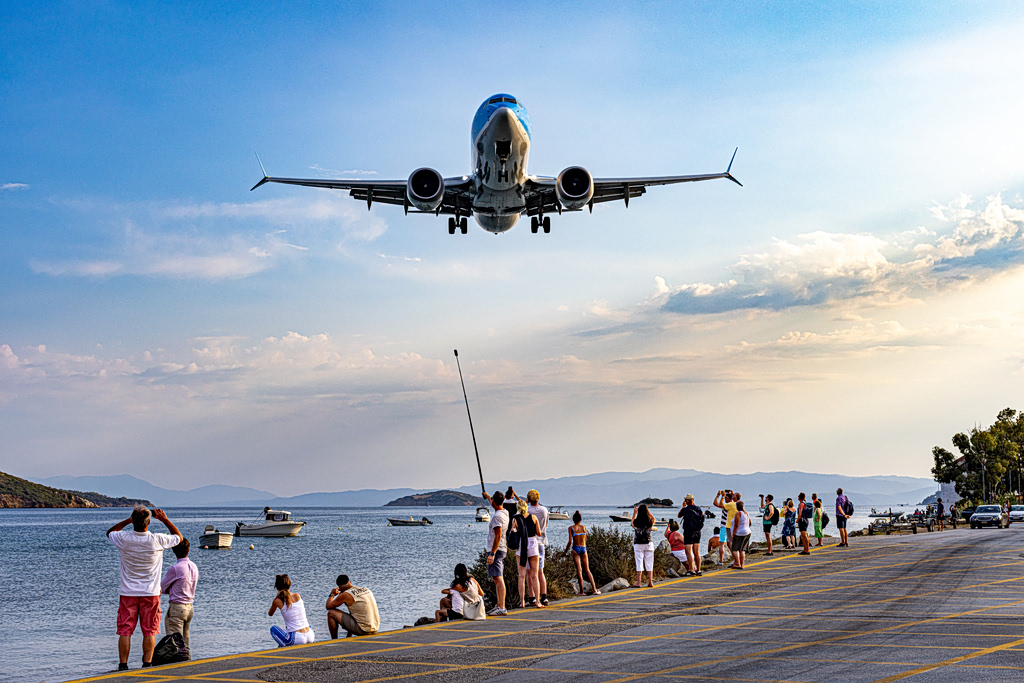
Globally, 43 percent of travelers said they planned to avoid overcrowded tourist destinations in 2026, an 11 percent increase year-on-year, with the figure rising to 48 percent among Greek respondents. Some 42 percent worldwide said they planned to travel outside peak season, compared with 52 percent in Greece.
A quarter of travelers globally, 25 percent, said they would seek out cooler destinations, with Greek respondents coming in slightly below that at 22 percent.
Among those opting for quieter destinations, 44 percent worldwide cited a desire to avoid contributing to overtourism, while 37 percent of those traveling off-peak said they sought to reduce pressure on destinations — a figure that reached 41 percent in Greece — reflecting growing awareness of the impact of travel on local communities and the environment.