 Μake us preferred on Google
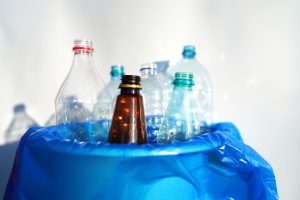
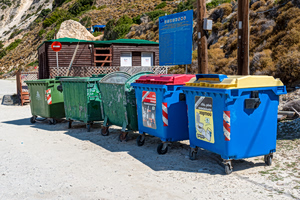
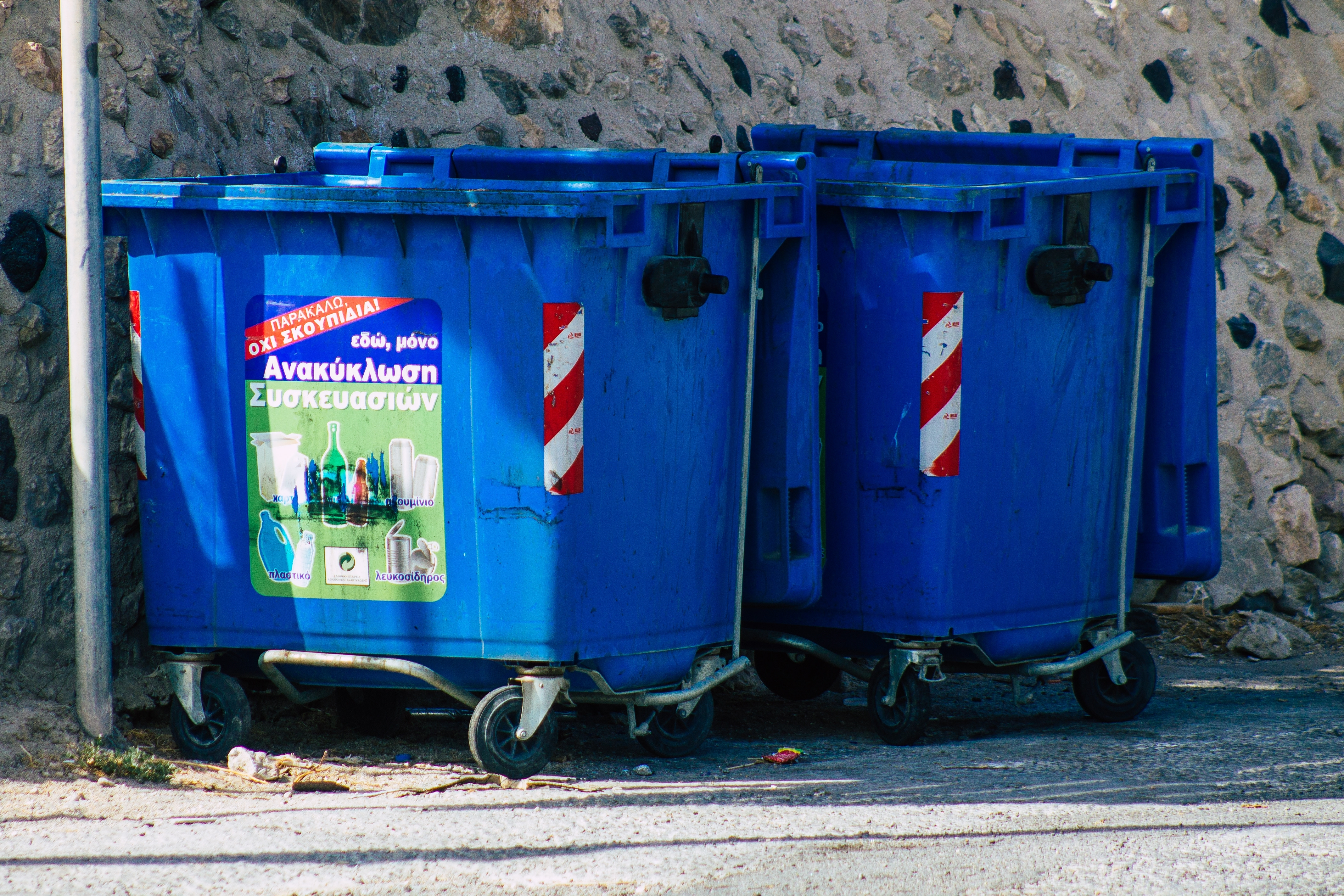
 Every day, people make countless small choices that affect the environment. One of the simplest is also one of the most meaningful: placing packaging waste in Greece’s Blue Bins and Blue Recycling Bells.
The system, operated through the Hellenic Recovery Recycling Corporation (EEAA), provides a nationwide network for packaging recycling, allowing materials such as paper, plastic, glass, aluminium and metal packaging to be collected, sorted and reused.
The process is straightforward. Citizens are asked to separate packaging from other waste, ensure items are empty of leftover contents, flatten large cardboard packaging and place materials loose inside the Blue Bins. Household waste should never be thrown into recycling bins.
“Packaging recycling is not a trend. It is a way of life,” the initiative emphasizes, highlighting how everyday actions can contribute to environmental protection.
What Happens After the Blue Bins?
The materials collected from Blue Bins are transported by specialized vehicles to Recycling Sorting Centers, where they are separated into more than 15 different categories with the help of mechanical equipment and manual sorting.
These categories include packaging paper and cardboard, liquid packaging cartons, different types of plastic packaging, glass bottles and containers, aluminium and tin packaging.
Glass collected through the Blue Recycling Bells — commonly found in public spaces such as squares and near food and hospitality areas — is transported separately to glass-processing facilities.
After sorting, the recycled materials are sent to industries where they are used to produce new products.
Recycling Helps Reduce Waste and Save Resources
Packaging recycling helps reduce the amount of waste sent to landfills, which have limited capacity and lifespan. It also reduces the need for new raw materials and lowers the energy required to produce new products.
By reusing existing materials, recycling contributes to reducing pollution and carbon dioxide emissions, supporting efforts to address climate change.
For citizens, the impact is simple: every correctly recycled package means fewer resources consumed and less pressure on the environment.
A Nationwide Effort Involving Citizens, Businesses and Municipalities
According to the EEAA, packaging recycling in Greece is the result of long-term cooperation between citizens, municipalities and businesses.
The recycling system now covers around 99% of Greece’s population, with more than 180,000 Blue Bins installed across neighborhoods, cities and communities nationwide. In addition, 10,800 Blue Recycling Bells collect glass packaging, serving the needs of around 23,000 businesses.
The network operates through 544 collection vehicles, which carry out more than 130,000 routes every year to ensure packaging waste is collected across the country.
Over more than 25 years of operation, the system has helped send hundreds of thousands of tons of packaging waste for recycling each year.
A Simple Choice for a Better Environment
Recycling does not require extra time or major changes to daily routines. It only requires a small shift in habits.
The Blue Bins and Blue Recycling Bells represent a simple opportunity for citizens to become part of a larger environmental effort. Every package placed in the correct recycling container becomes a small step toward a cleaner environment for current and future generations.