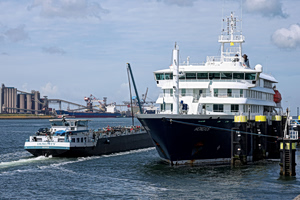
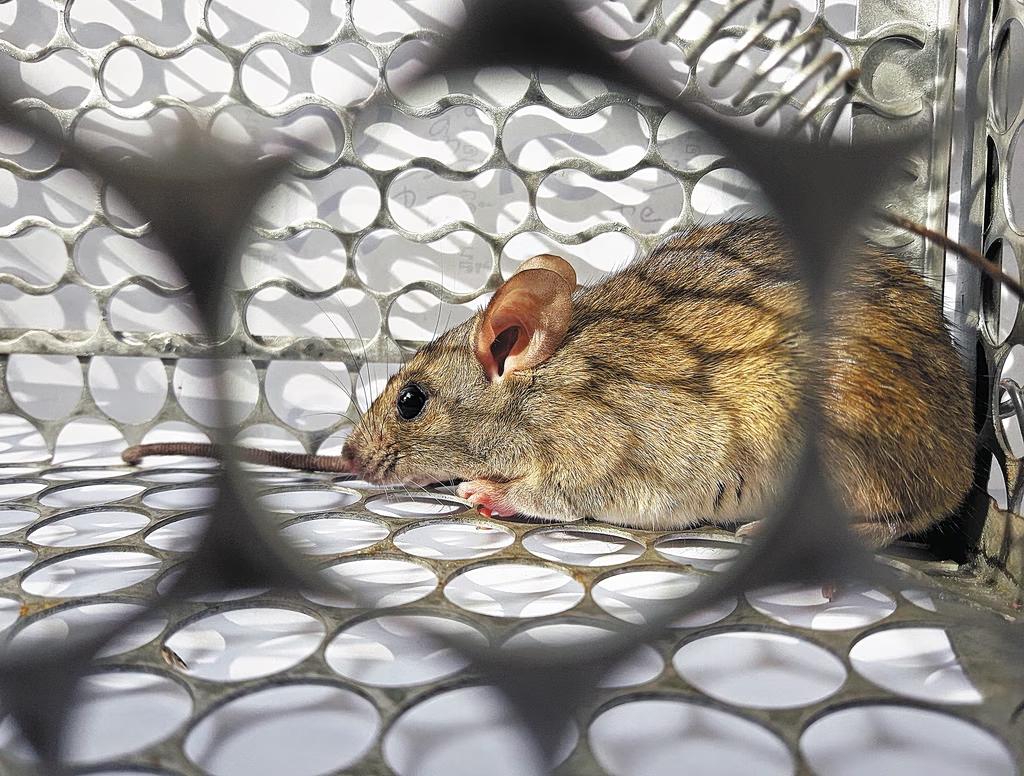
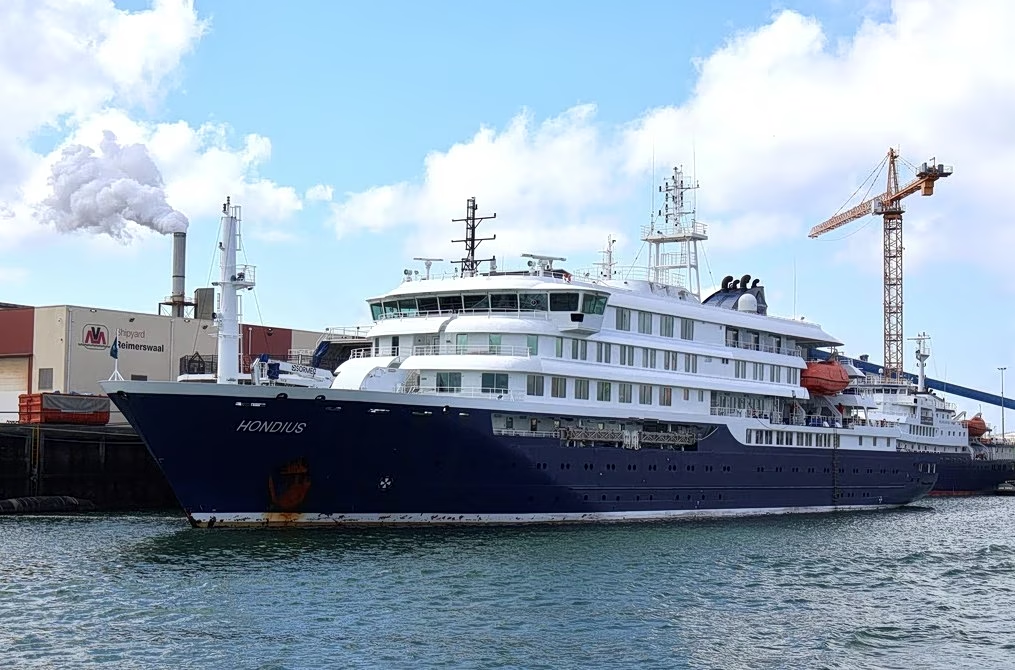
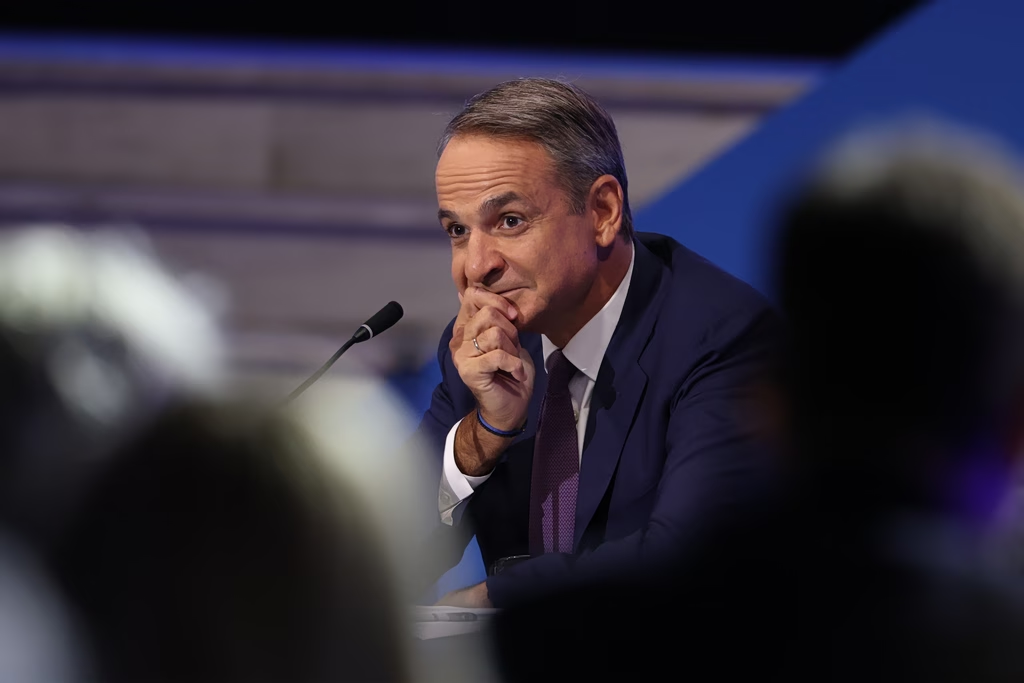
For Dimitris Zevgolis, an expedition across the South Atlantic Ocean that began as a scientific adventure turned into an unexpected health crisis after a Hantavirus outbreak on the research vessel MV Hondius. The Greek passenger, the only one from Greece aboard the ship, says he never panicked despite the international attention surrounding the case.
The journey, which began on April 1, ended after weeks of uncertainty, quarantine and medical monitoring. Speaking to Greek newspaper TA NEA one day after completing his quarantine, Zevgolis said passengers first learned about the virus just two days before the trip ended.
“The first reaction of the passengers was calm. There was confusion, but no panic,” he said.
For the retired professor, long-distance travel and challenging expeditions were nothing new. Through his personal blog, he has documented hiking and climbing experiences in places including Patagonia, Iceland and Nepal. He described the Hondius expedition as possibly the best travel experience he had ever had.
“The Hantavirus story made me feel that I am a strong character,” he said.
A scientific expedition across the South Atlantic
The expedition, known as the “Atlantic Odyssey,” began in Ushuaia, Argentina, a destination often used as a starting point for journeys toward the southern oceans.
Zevgolis said he had booked the trip months in advance and that the passengers aboard the MV Hondius were mostly specialists, particularly bird researchers who had joined the voyage to observe and study wildlife.
“The trip had a strong scientific character,” he explained.
After four days crossing rough seas, the ship reached South Georgia, where passengers took part in hikes and explorations. Videos posted by Zevgolis on YouTube show researchers walking through the landscape, photographing birds and penguins.
During the expedition, the group also raised a toast in front of the grave of explorer Ernest Shackleton, drinking Shackleton whisky, a reproduction of the historic whisky linked to Shackleton’s 1907 Nimrod expedition to Antarctica.
First symptoms appear on board
The first warning signs emerged while the ship was continuing its journey. A passenger developed a fever, but initially the situation was not considered unusual.
“No one expected that such a dangerous virus was circulating,” Zevgolis recalled.
When the first passenger died on the ship on April 11, the death was initially believed to have been caused by natural causes. Zevgolis said some passengers offered condolences to the man’s wife, who later also died after becoming infected.
The voyage continued, and on April 24 the MV Hondius reached Saint Helena. Some passengers left the ship there, including the deceased passenger’s body and his wife, while around 50 others continued toward Cape Verde.
On May 2, the captain informed passengers that the woman had also died in hospital and that hanta virus was suspected for the first time.
“There was concern, but no panic. Everyone on the ship was experienced, tough people who had travelled to places I did not even know existed,” Zevgolis said.
By that point, other passengers and crew members had also developed symptoms that raised suspicion.
Health protocols and international response
As concerns grew, strict health measures were introduced on the ship, including mask use, social distancing and frequent hand cleaning. Another passenger later died during this period.
When the MV Hondius reached Cape Verde on May 3, the World Health Organization was alerted.
Outside the ship, the wider international community became concerned about the possibility of a second pandemic similar to Covid-19. A scientific expedition had suddenly become a global news story.
The remaining passengers stayed in Cape Verde for several days, transferred sick passengers, and later continued toward the Canary Islands. Initially, local authorities did not allow them to disembark.
After negotiations, they were transferred under strict health protection measures to the airport and flown to Eindhoven in the Netherlands, where the first complete scientific assessment of the situation was carried out.
The following day, May 10, Zevgolis was transferred to Greece on a military aircraft. He arrived at Elefsina Airport early the next day and was immediately taken by ambulance to Attikon Hospital.
33 days in quarantine
The second chapter of his ordeal began in Greece, where Zevgolis spent 33 days in quarantine. During the final five days, he was allowed to stay at home.
He underwent testing every two days to check for the virus but remained completely healthy and never developed the illness.
He praised the medical staff, saying they provided excellent care and that he lacked nothing during his isolation. He also maintained frequent communication with infectious disease specialist Sotiris Tsiodras.
Asked what image remained strongest from the entire experience, Zevgolis pointed not to the virus but to the ocean itself.
“The image I remember most is the power of the ocean. You are in the middle of nowhere. There you feel like a tiny dot in front of all of life,” he said.
Despite the unusual experience, his passion for adventure has not changed. He is already preparing for his next challenge, a half marathon in Colombia in September, as part of his goal of completing “seven continents, seven half marathons, seven medals.”
Meanwhile, at the time of publication, the MV Hondius was sailing in the Greenland Sea as part of another cruise journey.