 Μake us preferred on Google
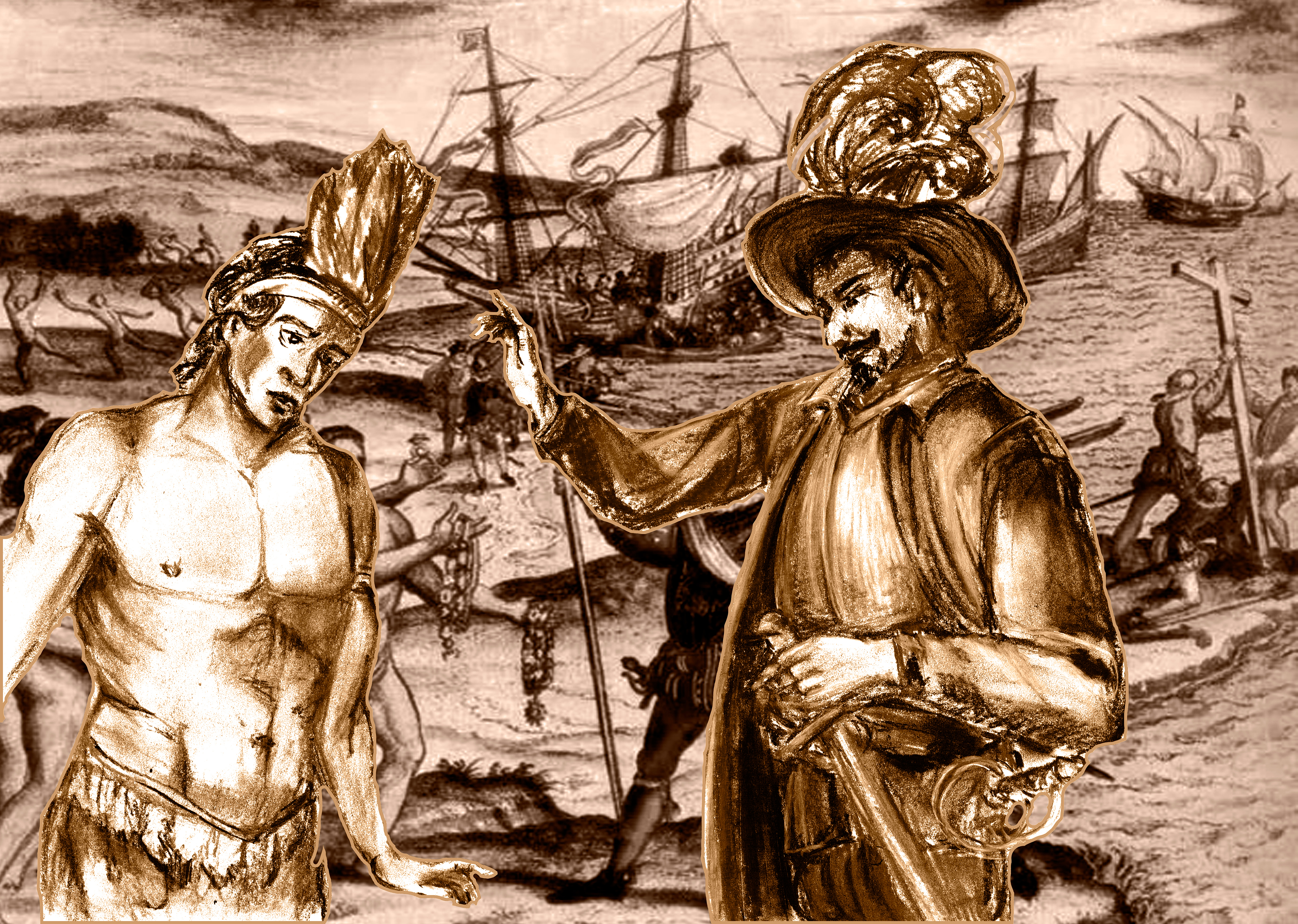
 When Spanish conquistadors arrived in the New World some five centuries ago, they brought muskets, cannons, armor, horses, and war dogs as they launched their campaign to colonize the Americas. But the deadliest blow came from something entirely different: smallpox and other infectious diseases that decimated Indigenous populations.
Researchers now have the first direct molecular evidence of the smallpox that was unwittingly carried from the Old World to the New and killed millions of people across Central and South America. They recovered the virus’s DNA from two mummified bodies of people who died during the early colonial period in an Inca community in northern Chile.
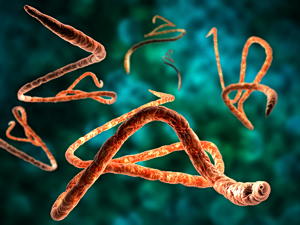
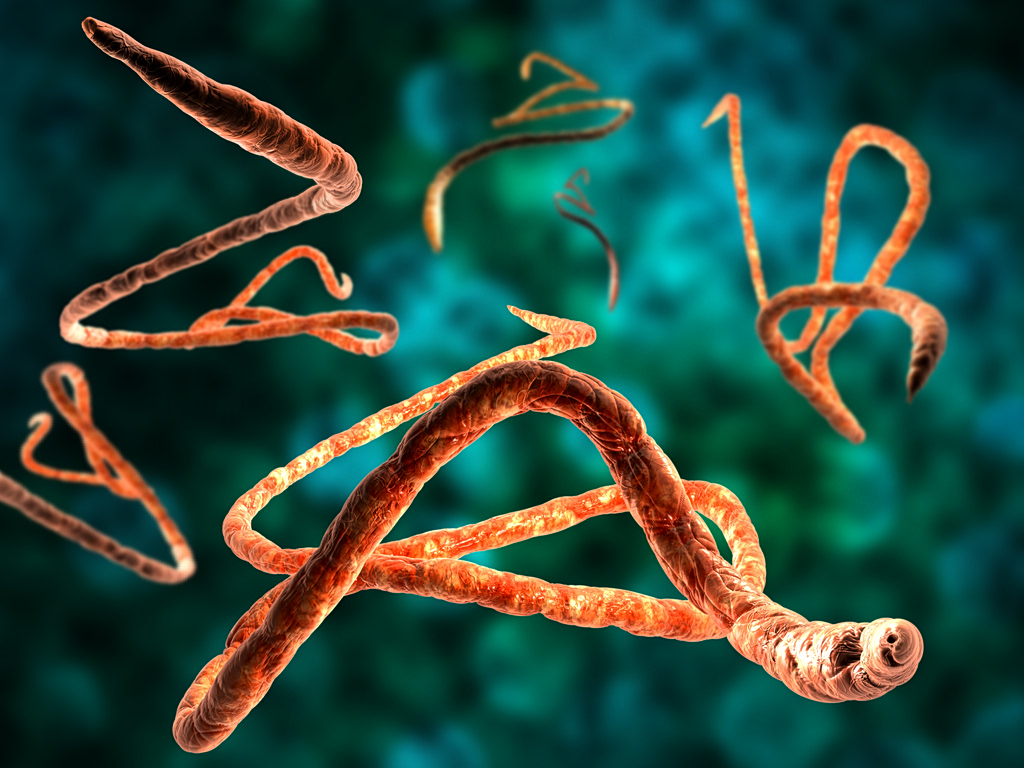
Smallpox is caused by a pathogen known as the variola virus. Genome analysis of the virus found in the two bodies shows it belonged to a now-extinct lineage that sat, evolutionarily, between the strains behind medieval European epidemics and those that dominated in later centuries.
Europeans reached the Americas in 1492. Indigenous peoples had never before been exposed to smallpox and had no natural immunity to the virus, which spread from person to person, triggering a catastrophic population collapse.
“The earliest recorded smallpox outbreak in the Americas took place on the island of Hispaniola in 1518, during its colonization by the Spanish,” said Bruno Romero Gonzalez, a geneticist doing his PhD at Trinity College Dublin and lead author of the study published today in the journal Science. Hispaniola today is divided between Haiti and the Dominican Republic.
“Smallpox was one of the deadliest infectious diseases in human history,” said Trinity College geneticist and study co-author Shigeki Nakagome. He explained that it is believed to have afflicted humans for at least 1,500 to 2,000 years, possibly longer, before being wiped out through the global vaccination campaign in 1980, and that before its elimination it repeatedly caused outbreaks worldwide, killing an estimated hundreds of millions of people.
In the Americas, smallpox and other viral diseases are believed to have killed 90 percent of Indigenous people. This is how the Spanish were able to overpower the Aztec Empire in what is now Mexico, the Maya city-states of Central America, and the Inca Empire, which stretched from modern-day Ecuador and Peru to Chile.
Natural Mummification
Two smallpox carriers were found in what was the southern part of the Inca Empire, in a location near Chile’s Pacific coast close to Camarones Bay. They were a woman aged 30 to 35 and a man aged 18 to 20.
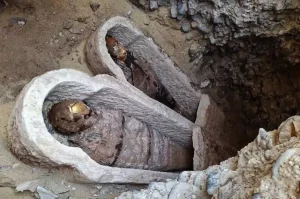
“The bodies were naturally mummified and buried wrapped in camelid wool blankets, along with various burial goods,” said Constanza de la Fuente Castro, a biological anthropologist specializing in DNA at the University of Chile. She noted that it’s important to distinguish between artificial and natural mummification: although the bodies were wrapped in textiles, they weren’t altered chemically or otherwise, unlike Egyptian mummies, and this type of burial predated the Inca and was common in earlier periods.
Researchers couldn’t pinpoint exactly when the two were infected, but estimate they died sometime in the 16th century. Francisco Pizarro’s Spanish forces overthrew the Inca emperor in the 1530s.
Smallpox didn’t just kill, it also inflicted serious psychological damage on Indigenous peoples. Its rapid spread, high fevers, bleeding pustules, and the disfigurement of survivors led many to believe their gods had abandoned them, or that they were powerless against whatever forces were aiding the Spanish invaders.
The viral genomes recovered from the two mummies offered a picture of the pathogen’s evolution. They were nearly identical, meaning both victims were infected during the same outbreak, by the same strain. Scientists found that the virus evolved genetically over a long period leading up to the 16th century, but that evolution slowed during the major epidemics of Spanish colonization and only resumed after the first vaccine appeared in 1796.
This suggests the virus had reached an evolutionary optimum and could spread without needing to adapt further, since those populations had no immunity.
The last recorded case of smallpox occurred in Somalia in 1977. Three years later, the World Health Organization declared smallpox the first, and so far only, infectious disease ever eradicated worldwide.