
 Μake us preferred on Google
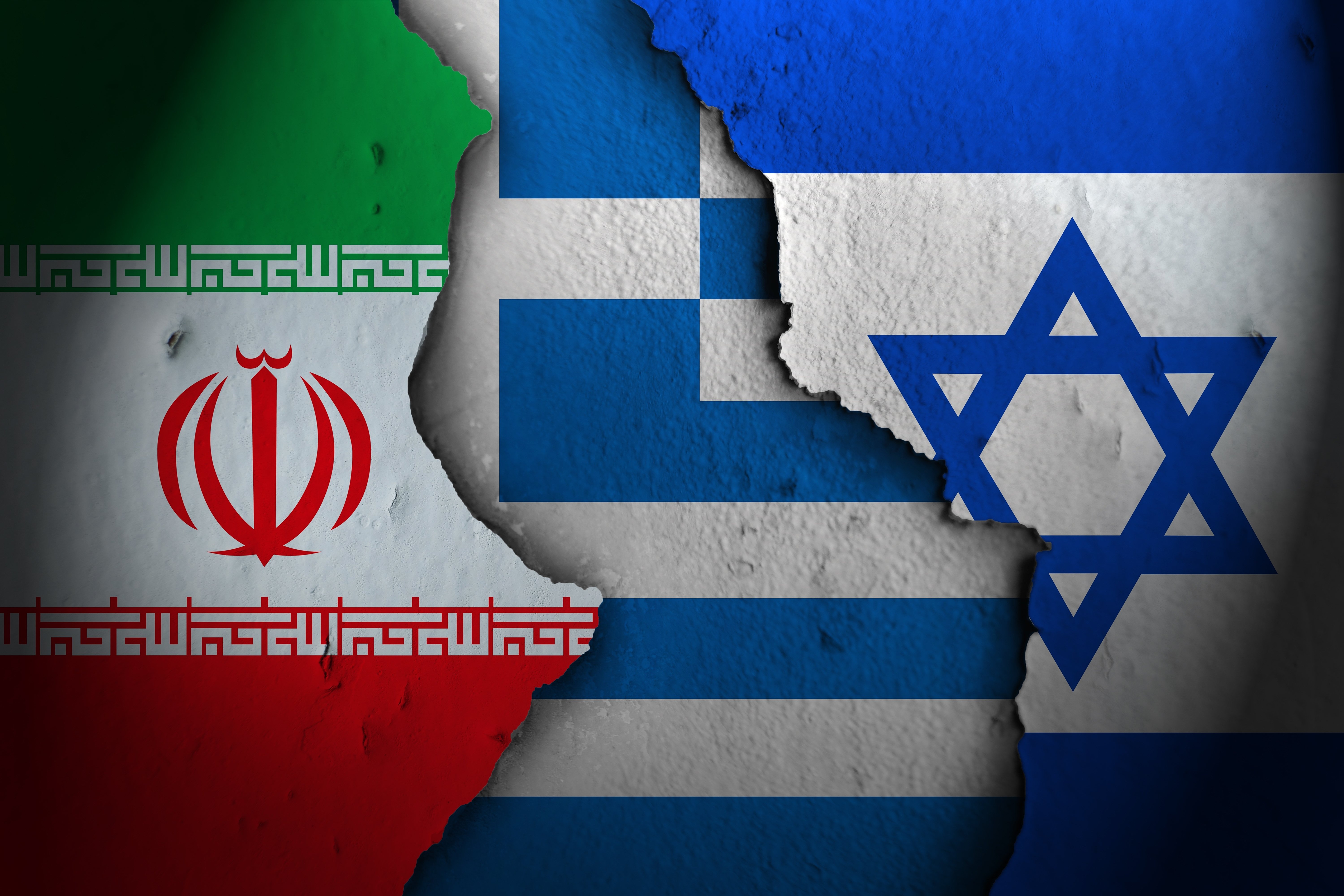
 Greece’s economic team is closely watching global energy markets, as the war involving Iran raises growing concern over its potential impact on the country’s fragile economic balance.
Officials are tracking developments with caution, knowing that three key variables—the duration, intensity, and geographical spread of the conflict—will determine the scale of the fallout.
Oil Prices Surge—and Could Climb Further
Brent crude jumped by around 10%, approaching $80 per barrel in over-the-counter trading on Sunday, according to market traders.
Analysts warn that prices could climb as high as $100 per barrel if tensions escalate following the strikes on Iran.
At the center of global concern are the Strait of Hormuz—a critical energy corridor through which roughly 20% of the world’s oil supply and significant volumes of liquefied natural gas pass.
Why Greece Is Especially Vulnerable
For Greece, which remains a net importer of energy, the implications are immediate and far-reaching.
Higher oil prices translate directly into increased costs for fuel, electricity, and transport. The country’s recent experience during the energy crisis triggered by the war in Ukraine highlighted just how exposed the Greek economy is to external energy shocks.
A new surge in energy costs could:
- Reignite inflation
- Erode household purchasing power
- Increase operating costs for businesses
Sectors such as industry, agriculture, and transport would be particularly affected.
Budget Assumptions at Risk
Greece’s 2026 state budget was built on the assumption that average oil prices would stand at $62.4 per barrel.
Key projections for growth, inflation, and fiscal performance were based on that estimate. A prolonged conflict would overturn these assumptions.
However, the budget’s explanatory report includes a stress-test scenario—based on the Oxford Economic Model—examining the effects of a $40-per-barrel increase in oil prices.
The “Worst-Case” Scenario
Under this adverse scenario, where oil prices exceed $100 per barrel:
- Private consumption would fall by 0.7% compared to the baseline forecast of 1% growth for 2026
- Investment would decline by 0.9% relative to baseline expectations
In real terms, imports would decrease, as reduced domestic demand outweighs the price effect. In nominal terms, however, imports would rise by approximately 7.4%.
Exports would also increase at a similar pace, meaning the current account deficit would worsen only slightly—by about 0.2 percentage points.
Inflationary pressures would intensify significantly, with the consumer price index rising by 4.7%, compared to 2.2% in the baseline scenario.
Growth Slows, but Revenues Rise
Real GDP growth would slow to 1.9%, down from the projected 2.4%.
However, nominal GDP would increase due to inflation, leading to:
- A slight improvement in the fiscal balance
- Public revenues rising by 1.4%, compared to a 1.0% increase in public spending
- A reduction in general government debt by 1.4 percentage points relative to the baseline
Tourism Also at Risk
On the tourism front—one of Greece’s key economic pillars—the duration of the crisis is critical.
If the conflict proves short-lived, the impact is expected to be limited. But if tensions persist, there are growing concerns that bookings could decline, dealing a blow to one of the country’s most vital industries.
As the situation unfolds, Athens remains on alert—aware that what happens in the Middle East could soon be felt across every layer of the Greek economy.