 Μake us preferred on Google
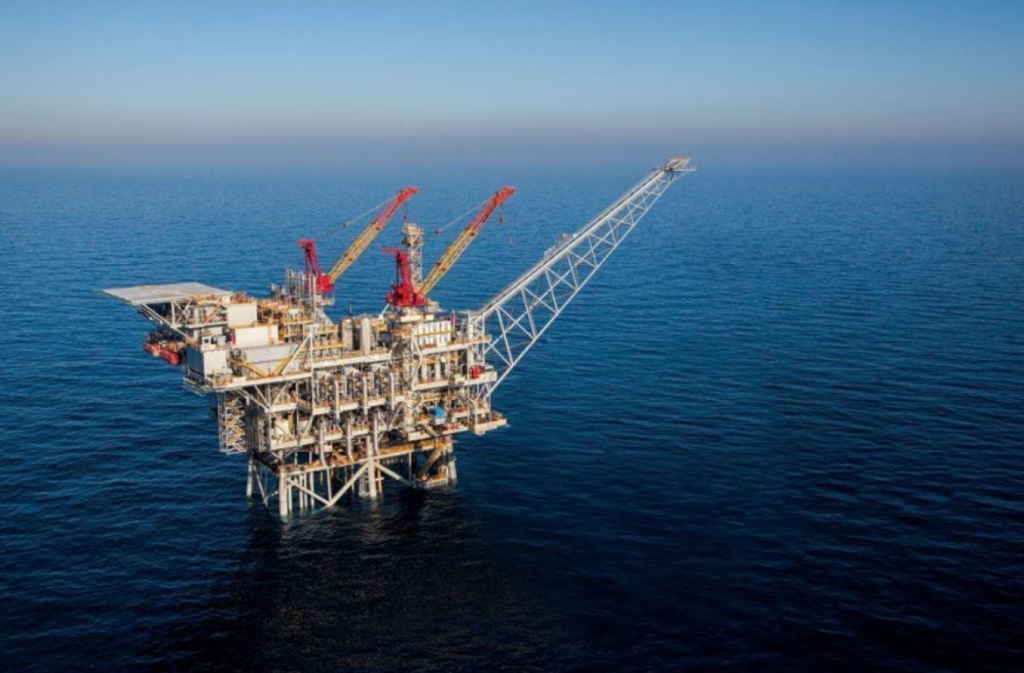
 Greece is positioning itself for a potential transformation in its economic and geopolitical standing, as fresh offshore drilling plans in the northwest Ionian Sea raise the prospect of significant natural gas discoveries.
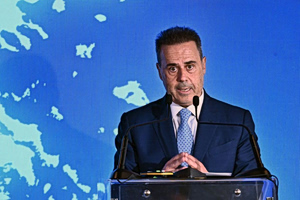
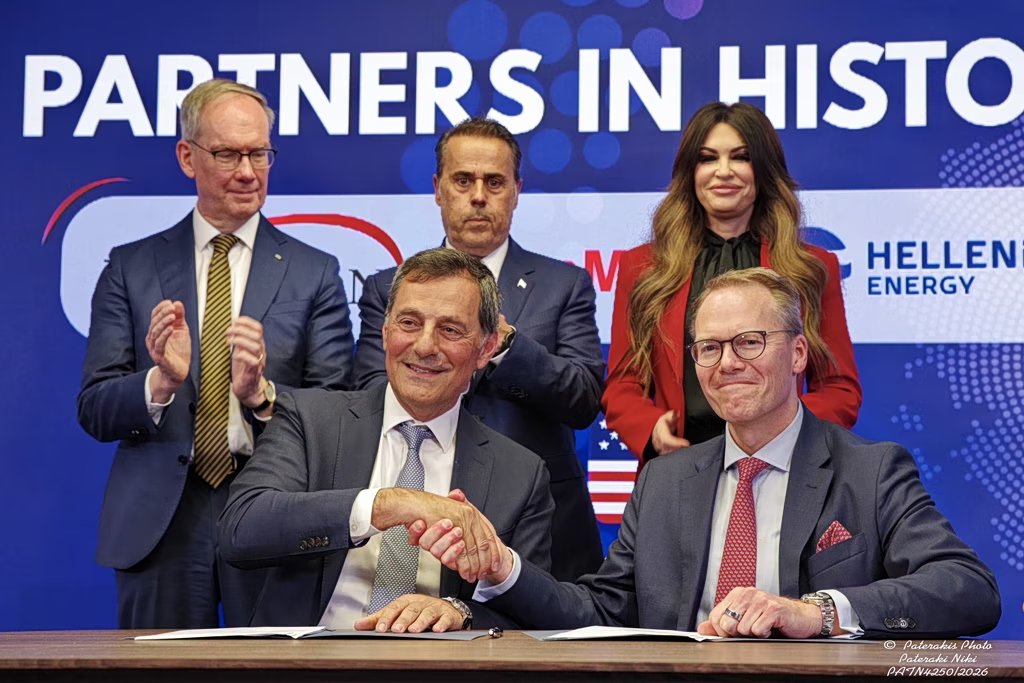
At the center of these ambitions lies the “Asopos 1” prospect, where early indications suggest the presence of substantial gas reserves. Speaking at the signing ceremony for a drilling contract in Block 2 in the northwest Ionian, Energy and Environment Minister Stavros Papastavrou described the moment as “historic.” He said it reflects the government’s strategy to boost energy security while accelerating hydrocarbon development.
High-stakes exploration
The agreement, signed between a consortium of ExxonMobil, Energean, and HELLENiQ Energy and drilling contractor Stena Drilling, sets the stage for Greece’s first offshore exploratory well in nearly half a century.
The drilling, expected to take place between February 14 and 17, 2027, will reach depths of up to 4,622 meters and cost an estimated €60–70 million.
According to Energean CEO Mathios Rigas, the broader Ionian region may hold up to 270 billion cubic meters of natural gas — a volume that dwarfs Greece’s annual consumption of roughly 6–7 billion cubic meters.
Economic upside and long-term investment
Should the exploration prove successful and commercially viable, the implications could be far-reaching. Additional investments of around €5 billion would be required to develop the field, including infrastructure linking production via a floating unit to both Greece and Italy.
Government revenues could reach up to €10 billion over a 20-year period at current gas prices, according to estimates presented at the event. Yet officials stressed that the broader gains — particularly in energy independence and geopolitical leverage — would likely outweigh the direct fiscal benefits.
Papastavrou framed the initiative as part of a “realistic energy transition,” combining the development of domestic hydrocarbon resources with the acceleration of renewable energy deployment.
CEO of HelleniQ Energy Andreas Shiamishis argued that a discovery in the Ionian could fundamentally reshape Greece’s economic model. “Energy security is critical for growth and is also a matter of national security,” he said, adding that domestic resources would provide the country with greater flexibility in shaping its development path.
Strategic partnerships and geopolitical weight
International stakeholders highlighted Greece’s evolving role as a regional energy hub. US Ambassador Kimberly Guilfoyle described the project as a convergence of American innovation, Greek expertise and Swedish technology, adding that Greece is not merely participating in the region’s energy transformation but helping to lead it.
The US Ambassador also said that the close collaboration reflects confidence in Greece’s economic trajectory and its transparent regulatory framework, while also strengthening ties between U.S. and Greek businesses.
Sweden’s ambassador Håkan Emsgård pointed to Greece’s broader economic stabilization, strong growth rates and emergence as a net energy exporter, noting its increasing importance as a hub in the eastern Mediterranean.
Source: OT.gr