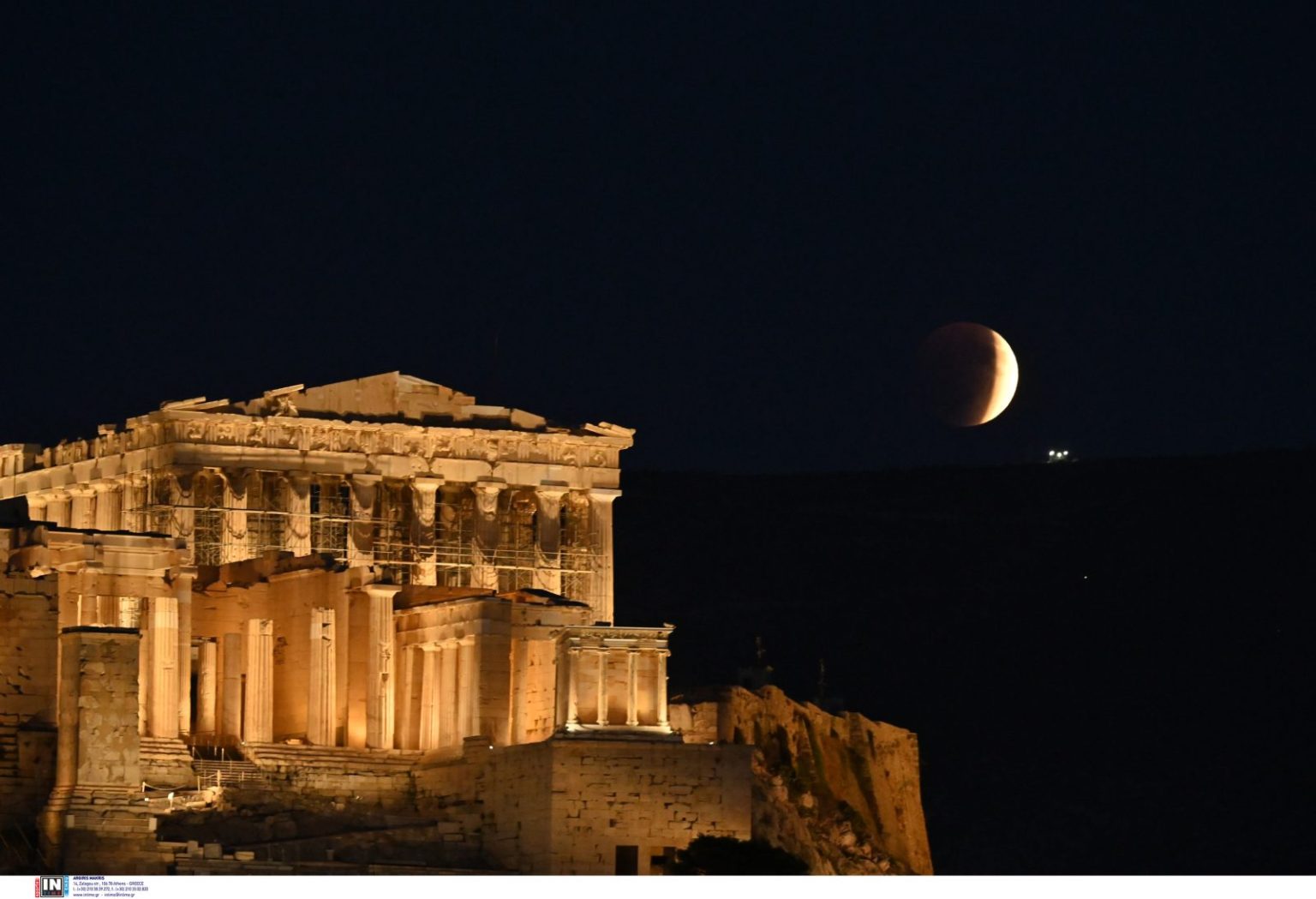
Skywatchers were treated to a striking total lunar eclipse this evening, as the so-called “blood moon” rose above the horizon and passed fully into Earth’s shadow.
At moonrise, the eclipse had already begun, with part of the lunar surface appearing darker during the partial phase. By around 8:30 p.m., the Moon was higher in the sky and the total eclipse began, cloaking the entire surface in shadow.

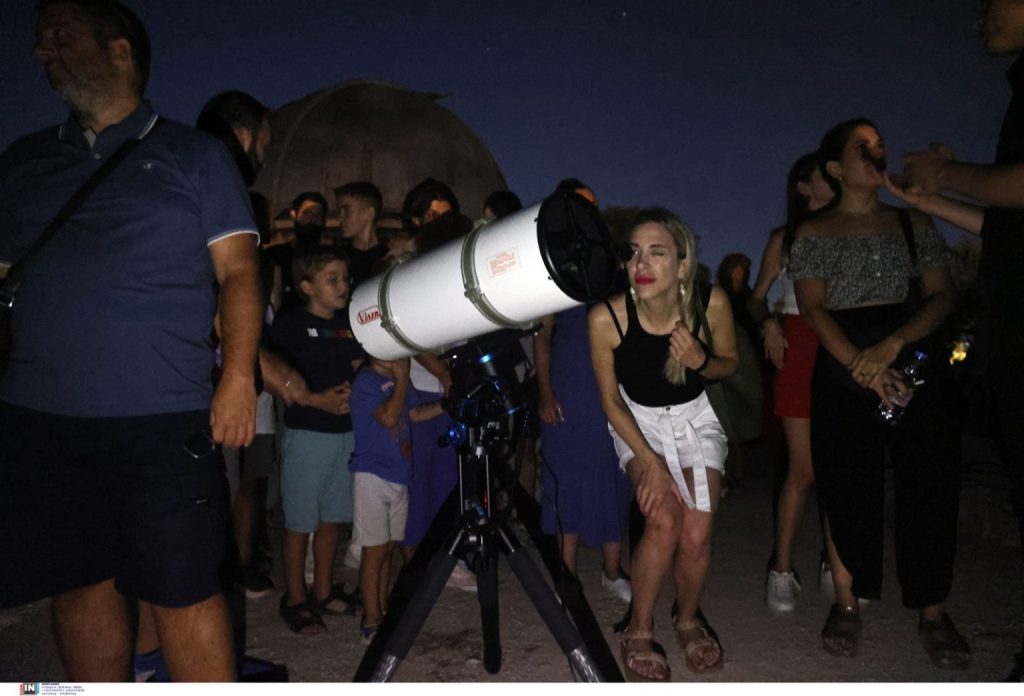
The eclipse reached its peak shortly after 9 p.m. and ended around 9:50 p.m., when the Moon gradually began emerging from Earth’s shadow. The partial phase continued until 11 p.m., while the Moon remained dimmed until just before midnight as it passed through the penumbra.
For the best view, observers needed to look low in the eastern to southeastern sky.
The event created a series of unforgettable images, as the Moon glowed with its signature reddish hue during this rare celestial alignment.
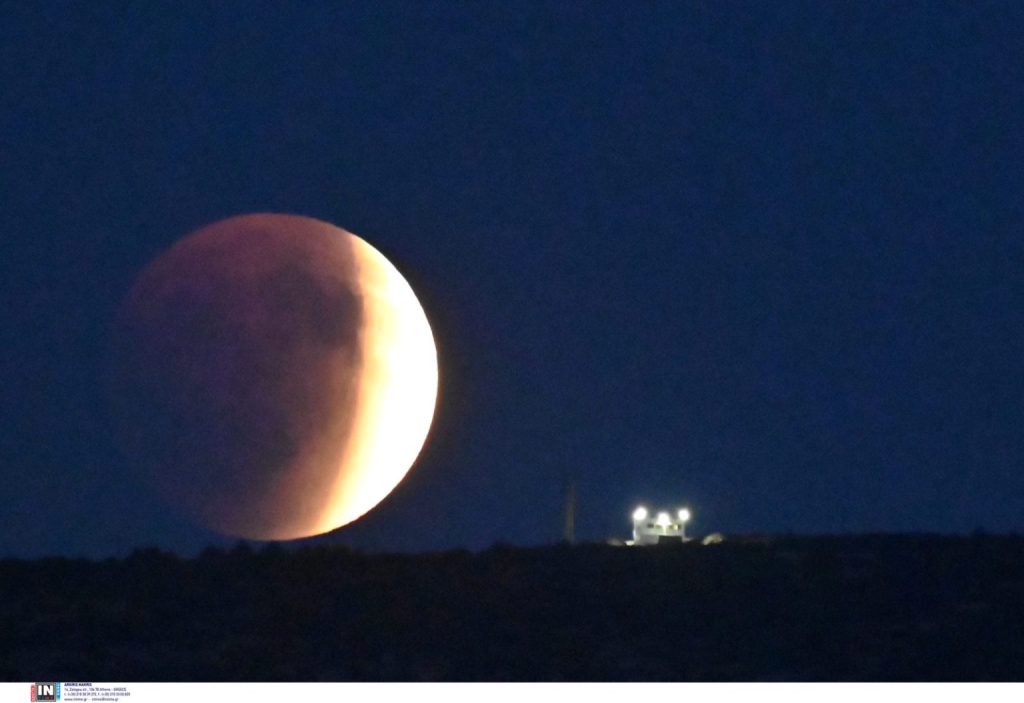
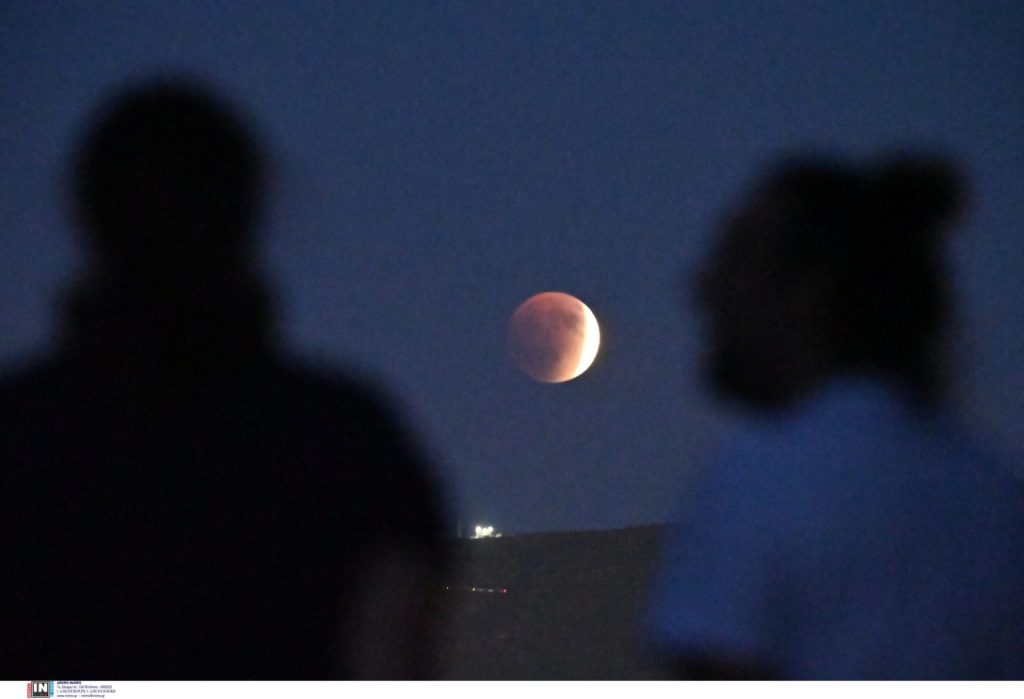
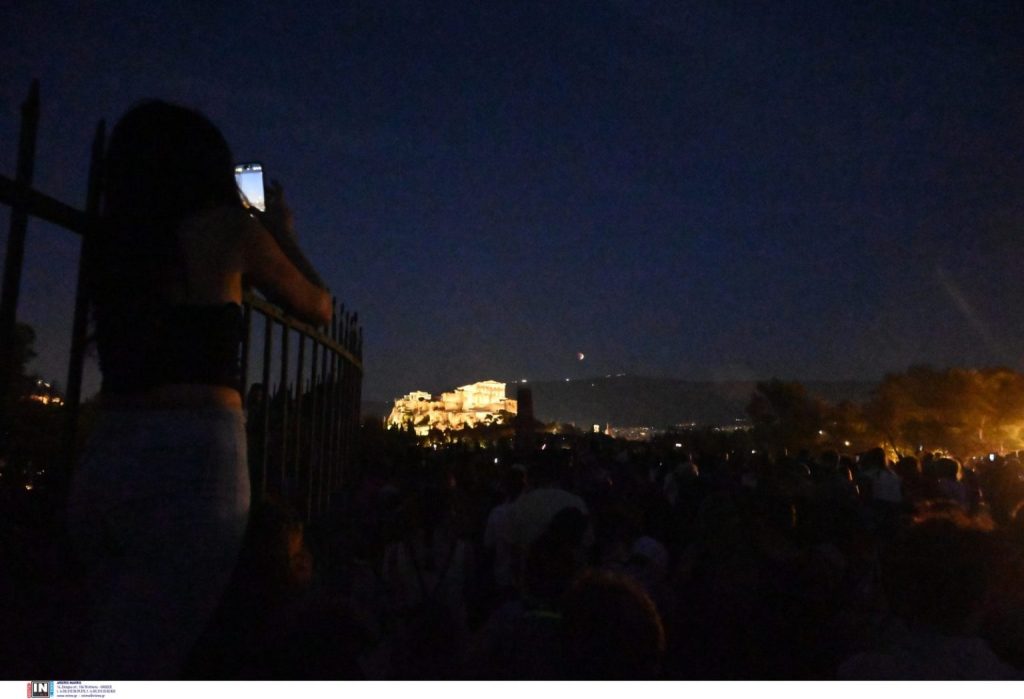
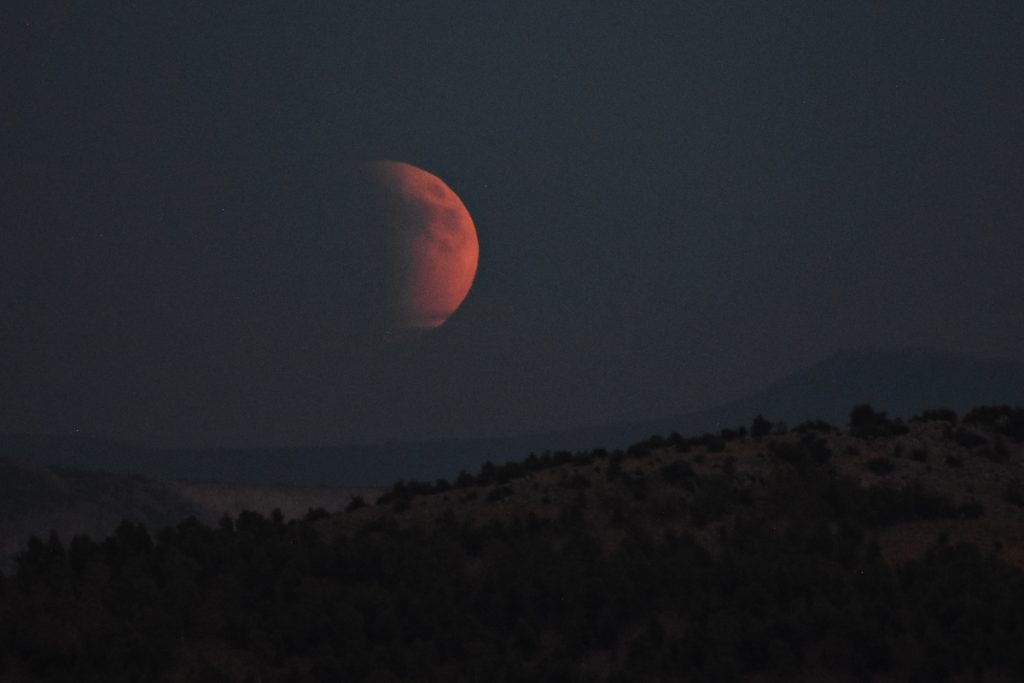
During a total lunar eclipse, the Moon appears darker and takes on a reddish tint, earning it the nickname “Blood Moon.” This unique color occurs because Earth’s atmosphere scatters sunlight, allowing only the red wavelengths to reach the lunar surface.
What’s next in September’s night sky?
The Moon will reach its third-quarter phase on September 14, followed by a new moon on September 21, when it will be invisible from Earth’s perspective. On that same day, a partial solar eclipse will be visible from New Zealand, Antarctica, and surrounding regions—but not from Europe. The month will close with the first-quarter phase on September 30.