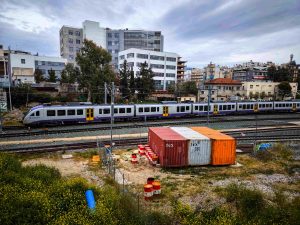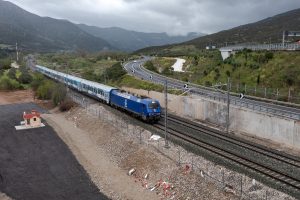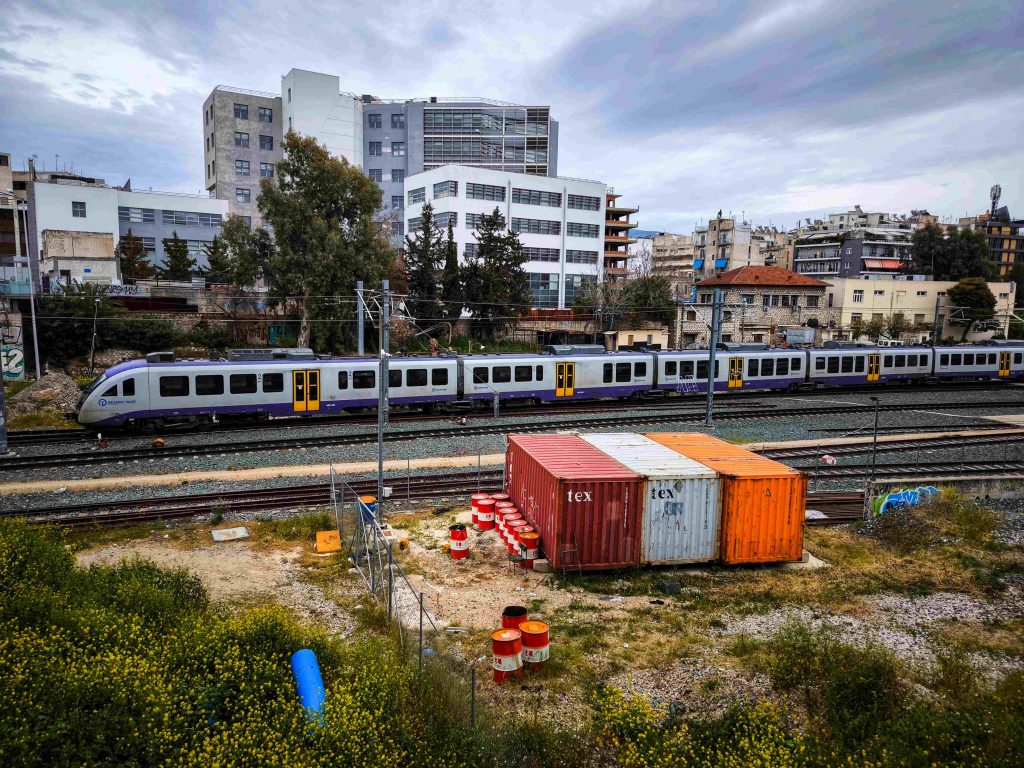

The Greek government this week debuted a new online platform aimed at recruiting qualified expatriate Greeks to return to the country and work for state-run Hellenic Railways Organization (OSE).
The initiative comes days after Parliament passed a law aimed to upgrade OSE, which owns and manages rail traffic and the infrastructure in the country.
The relevant transport ministry, which oversees OSE, aims to recruit Greeks from abroad with experience in rail operations and specialized skills, such as in IT.
In unveiling the platform, Alternate Transport Minister Konstantinos Kyranakis extended an open invitation for qualified Greeks to return and work for a “new OSE with good remuneration”.
The new legal framework has significant loosened salary caps for new hirings of candidates currently holding mid- to high-level positions in rail organizations anywhere in the world. For instance, new hires for executive positions will be paid with salaries comparable to a ministry’s general secretary or of a high-ranking jurist.
The platform allows candidates to select a sector in which their skills and experience match, such as network operation and managing rail traffic, safety and procedures, specifications and implementation of rail-related works and strategic management, among others.
Additionally, successful candidates who repatriate will be extended a 50% exemption from income tax for seven years.
The same positions, of course, are available for permanent residents of Greece who have similar qualifications, skills and experience.
Brain Game the Goal
Nevertheless, the added goal in this initiative to achieve a “brain gain”.
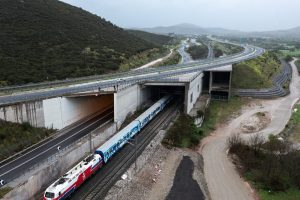
The much-maligned OSE has been vilified in the past and over recent years for its shoddy management of rail infrastructure and traffic in Greece, with the most egregious instance being the February 2023 Tempi two-train collision that claimed the lives of 57 passengers and train staff. Both trains were operated by private Hellenic Train, a subsidiary of Italy’s FS.
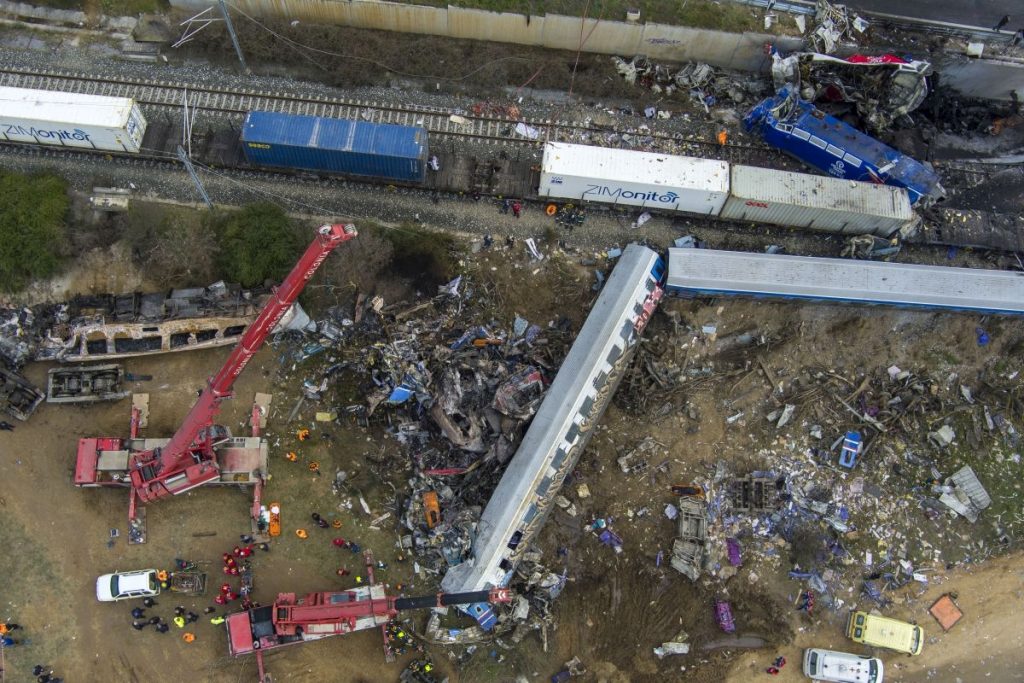
File photo: An aerial view of the Tempi crash site.
Human error, by an OSE station master, put two trains on a head-on collision course. A subsequent investigation showed that the employee may have been poorly trained, that more senior staff members had left the shift prematurely and, importantly, that manual and electronic monitoring and fail-safe systems were either not installed or were in a state disrepair at the specific section of the two-way north-south railway line.
A voluminous indictment has been compiled, with numerous defendants scheduled to face a trial in the coming period over the Tempi crash.