 Μake us preferred on Google
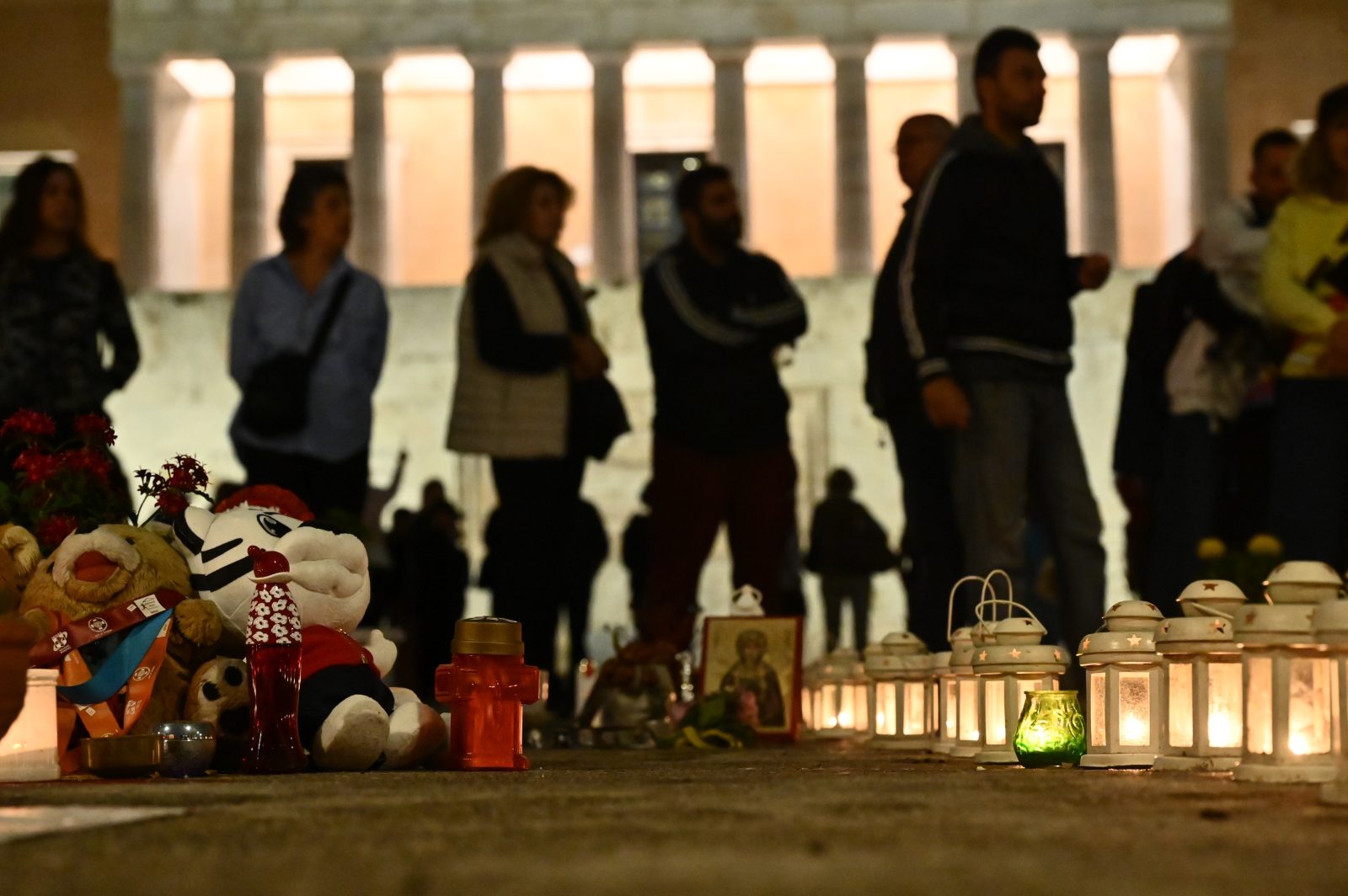
 Dozens of people gathered in Athens’s Syntagma Square on Sunday evening, October 19, to protest outside the Greek Parliament, demanding justice for the 57 victims of the Tempi train tragedy.
The demonstration took place at the “Memorial of the Tempi Victims,” directly across from the Tomb of the Unknown Soldier, where relatives and supporters rewrote the victims’ names in red paint on the pavement — a symbolic act that has become central to their campaign for accountability.
Organizers described the event as a “peaceful call for protest”, rallying under the slogan “Tempi was not an accident — it was a crime.” Participants included survivors of the crash, victims’ relatives, and concerned citizens demanding justice and political responsibility.
Police maintained a discreet presence around the square as the demonstration unfolded peacefully.
“The 58th Victim Is Democracy”
Speaking to Greek media, Vassilis Chatzicharalambous, who lost his son in the 2023 rail disaster, said the protest symbolized a broader fight beyond the tragedy itself.
“Today, we should also write the 58th victim — which is democracy,” he said emotionally. “They murdered democracy along with our 57 children. This is a place for us to react and protest with dignity against this state crime.”
Anger Over Government Proposal
The protest came ahead of a controversial government amendment set to be debated in Parliament on Tuesday, which would ban public gatherings and protests directly in front of the Tomb of the Unknown Soldier — a symbolic and politically charged space at the heart of Athens.
Under the proposed measure, the entire area in front of the ceremonial guards’ posts would be designated as a protected monument zone. Demonstrations would be restricted to the sidewalk along Vasilissis Amalias Avenue, and violators could face on-the-spot arrests and penalties.
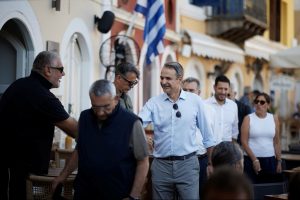
Prime Minister Kyriakos Mitsotakis is expected to personally back the proposal during Tuesday’s session, with the government urging opposition parties to state their positions.
Critics, however, accuse the government of undermining civil liberties and using the issue for political polarization and public relations gain among conservative voters.