
 Μake us preferred on Google
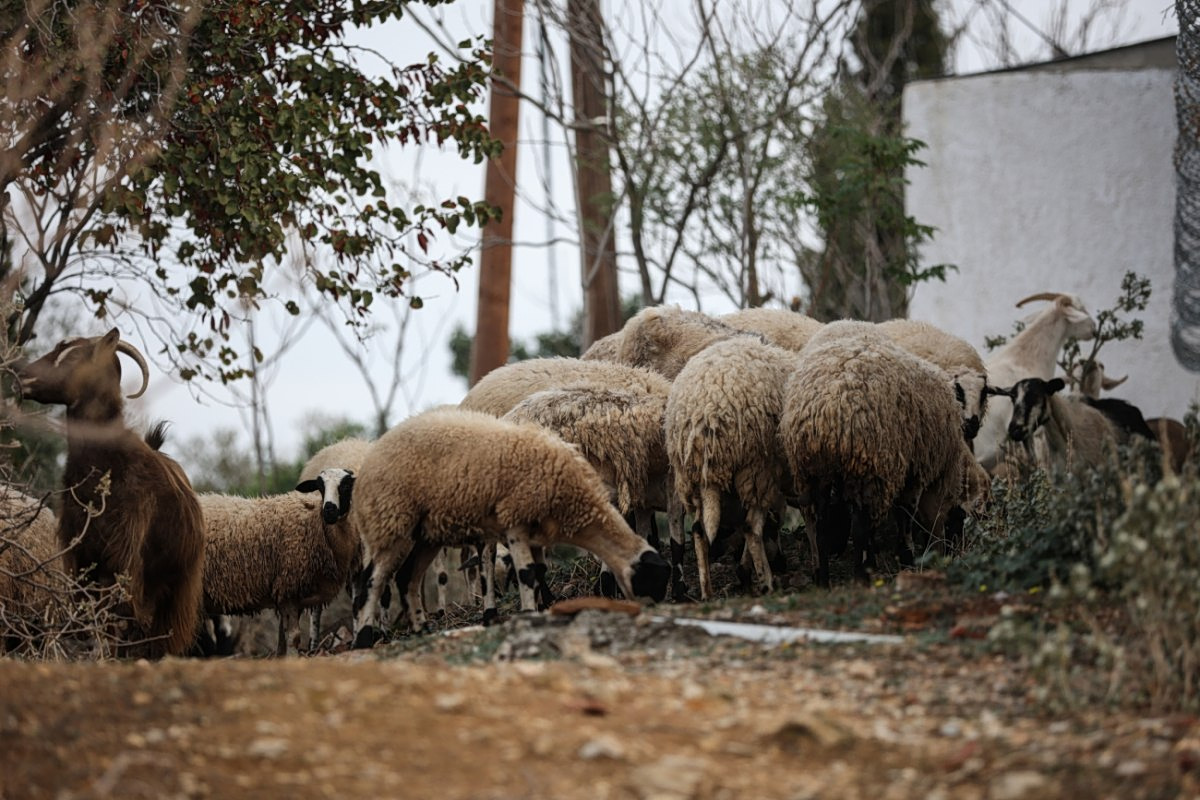
 The Epirus region of Greece is on high alert following the first confirmed case of sheep pox in Valanidorachi, part of the Parga municipality. Laboratory tests verified the disease in a small, isolated herd of 40 animals, triggering European health protocols.
Regional Governor Alexandros Kachrimanis warned that opportunists are exploiting farmers’ fears by offering “miracle” vaccines for a fee, raising concerns about unregulated treatments spreading in the area. Authorities are reviewing all reported incidents of illegal vaccinations carefully.
The situation is complicated by systemic challenges. The Panhellenic Union of Public Veterinarians (PEKDY) highlighted the nation’s reliance on a single laboratory in Larissa for PCR testing, a bottleneck that prevents timely certification of animals for safe slaughter. Without sufficient tests, farmers risk economic losses, market shortages, rising prices ahead of Easter, and unregulated culling.
Although no additional positive cases have been identified in Epirus, concerns about hidden outbreaks remain high. Veterinary teams continue rapid tracing and monitoring efforts to contain the disease and protect both livestock and local livelihoods.