
 Μake us preferred on Google
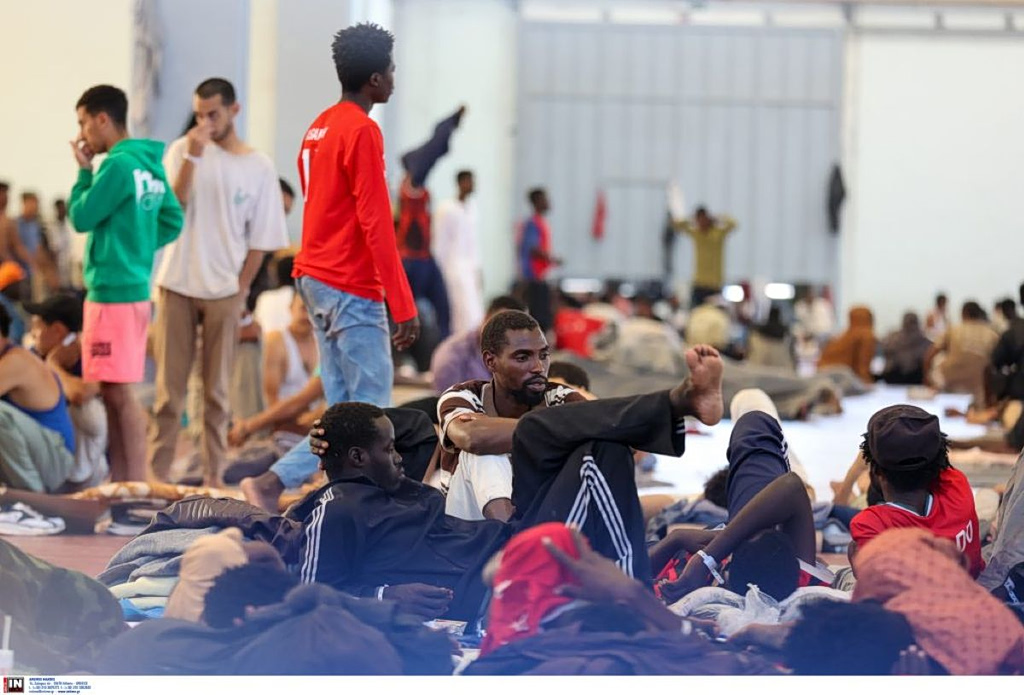
 Cyprus, Greece, Italy and Malta have agreed on a coordinated approach to migration management amid growing concerns that instability in the Middle East could trigger renewed migratory pressures toward Europe.
The agreement was reached during an informal meeting held alongside a European Council gathering in Cyprus, where the leaders focused on preventing a repeat of large-scale migration movements seen in previous years.
Coordinated EU Border Strategy
The four countries, all located at the European Union’s external borders, stressed that they are particularly exposed to potential irregular migration flows. They discussed a range of possible measures aimed at strengthening border security and improving preparedness for sudden increases in arrivals.
At the same time, the leaders underlined that all actions must fully respect international law and be designed to ensure the effective management of the EU’s external borders.
Focus on Stability in the Middle East
The discussions also highlighted the importance of continued diplomatic efforts to achieve a swift resolution to the ongoing conflict in the Middle East. According to the joint understanding, reducing tensions in the region is essential to limiting forced displacement and supporting affected populations.
The leaders emphasized the need for close cooperation with regional partners, alongside humanitarian support for communities impacted by the crisis.
Preventing a Repeat of Past Migration Crises
A key reference point in the talks was the migration crisis of 2015. The participating countries agreed that coordinated planning is necessary to avoid a similar situation, in line with conclusions previously adopted by the European Council in March 2026.
They reiterated that fragmented national responses would be insufficient in the event of a sharp rise in arrivals linked to regional instability.
Call for Stronger European Coordination
The leaders tasked their respective interior and migration ministers with continuing close coordination on operational measures and preparedness planning.
They also called for closer cooperation with the European Commission to ensure that national efforts are integrated into broader EU policies. The aim, they said, is to strengthen coherence and improve the overall effectiveness of the European migration framework.