
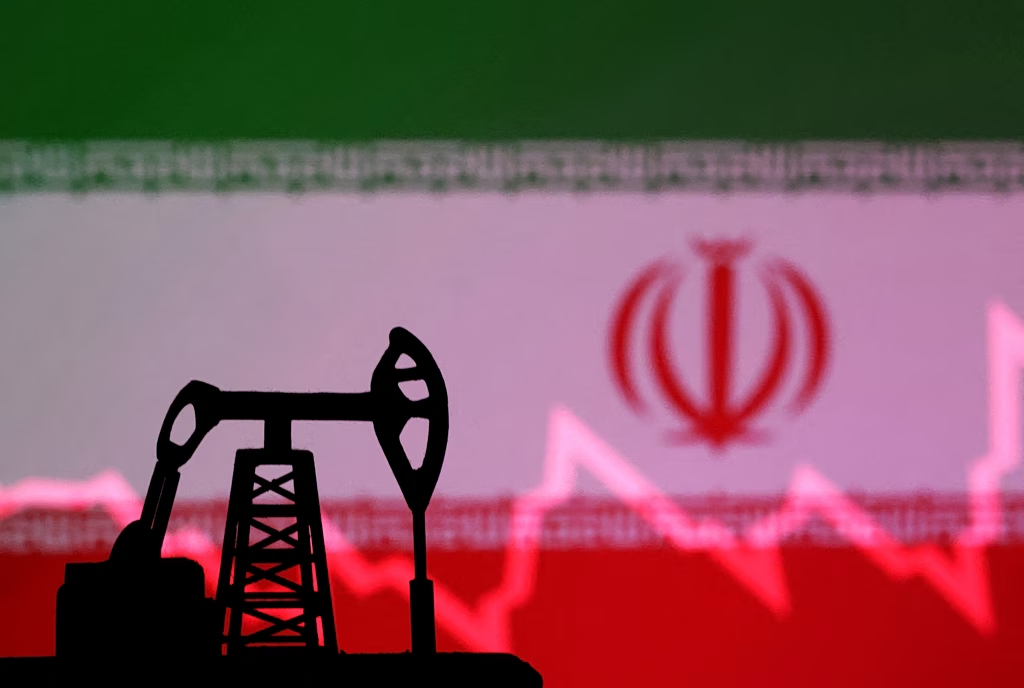
Uncertainty is sweeping global oil markets—and consumers are about to feel it at the pump.
The recent military escalation involving Iran, the United States, and Israel is already triggering price pressures across the fuel supply chain, with early estimates pointing to imminent increases in gasoline prices.
According to initial market projections, crude oil is now being priced at around $80 per barrel—up from $70–72 before the weekend when the conflict intensified. The first visible impact for consumers is expected within days.
Fuel Prices Set to Rise Within Days
Early estimates suggest fuel prices could increase by approximately €0.03 per liter, with the first hikes expected to appear at gas stations by Wednesday, March 4.
These increases are set to materialize rapidly—within just a few days.
Notably, upward price trends had already begun to emerge in the market even before the attack on Iran.
“The Most Serious Crisis in Years”
Speaking to OT (the Greek financial news outlet), Ioannis Aligizakis—President of the Hellenic Petroleum Marketing Companies Association (SEEPE) and head of ELINOIL—outlined the first assessments of the petroleum market.
He explains that this Middle East crisis differs from previous ones—and could have more severe consequences.
“The war in Iran is the most serious crisis in recent years in terms of negative impact,” he says, “due to the high level of uncertainty regarding how long it will last and what could happen if the Strait of Hormuz is closed.”
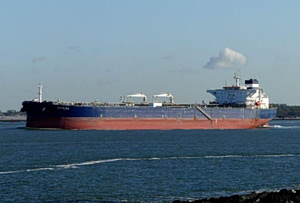
(The Strait of Hormuz is a critical global shipping route through which roughly a fifth of the world’s oil supply passes.)
Crude at $80—and Possibly Higher
The timing of the attack, which occurred while markets were closed, may have softened the initial shock.
“It is positive that there was a two-day period during which markets could process developments more calmly,” Aligizakis notes. “Over-the-counter estimates point to an increase of around 10%, to approximately $80 per barrel.”
However, he warns that this does not rule out further increases if the situation escalates.
What It Means for Greek Drivers
“In the first phase,” Aligizakis estimates, “gasoline prices at the pump could rise from €1.75 per liter to €1.78 per liter in the early days of the crisis.”
That translates to an increase of about €0.03 per liter within a very short time frame.
In Greece, however, about 65% of the final fuel price consists of taxes—meaning only the remaining 35% is directly affected by market fluctuations.
Two Scenarios for Oil Prices
The evolution of prices now hinges on how the crisis unfolds.
Scenario 1: Moderate Increase
If crude stabilizes around $80 per barrel, gasoline prices are expected to rise modestly—by roughly €0.03 per liter, as already projected.
Scenario 2: Sharp Escalation
If crude climbs to $100 per barrel, gasoline prices could reach around €1.80 per liter, pushing costs even higher for consumers.
Global Ripple Effects
Iran is one of the world’s major oil producers, with China as a key buyer. Analysts expect China may shift toward alternative suppliers—many of which also serve Western markets.
Combined with only a limited production increase announced by OPEC+, this could intensify demand from the same supply sources, driving prices further upward.
A Call for Calm
Despite the uncertainty, Aligizakis urges caution.
“As in every crisis, what is needed is calm—above all, a correct and measured assessment of this truly difficult situation.”
For now, however, one thing is clear: the geopolitical shock has already begun translating into higher costs—and the full impact may still lie ahead.