 Μake us preferred on Google
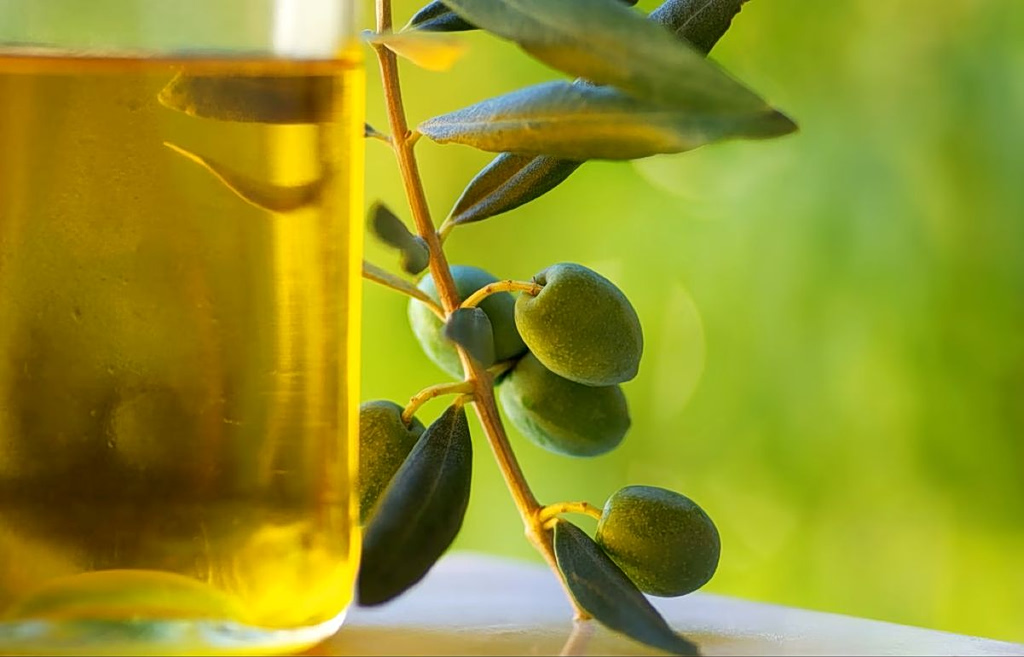
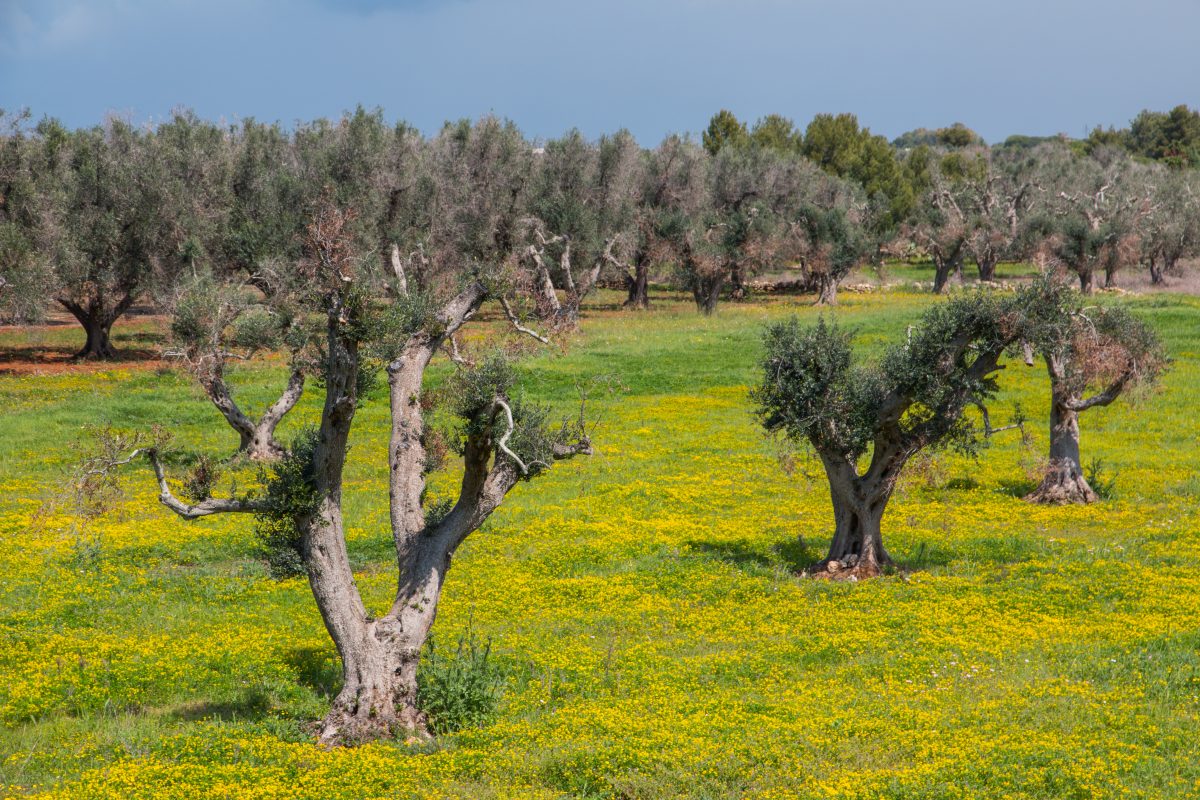
 Olive trees don’t need much to survive: a little cold and some water. These two conditions, according to olive growers, are essential for healthy fruit production and the cultivation of precious olive oil, a cornerstone of Greek agricultural exports. Unfortunately, however, these two prerequisites are gradually being erased by the escalating effects of climate change.
The sharp rise in temperatures, drought caused by prolonged lack of rainfall, but also extreme downpours that lead to devastating floods have become the greatest threats facing olive groves. At the same time, these conditions favor the spread of pathogenic microorganisms that attack leaves and fruit, putting the long-term viability of olive cultivation at risk.
Faced with these challenges, scientists and olive producers are struggling to find solutions not only for the survival and growth of olive groves but also for preserving the branding of olives and olive products, which are a cornerstone of the Mediterranean diet.
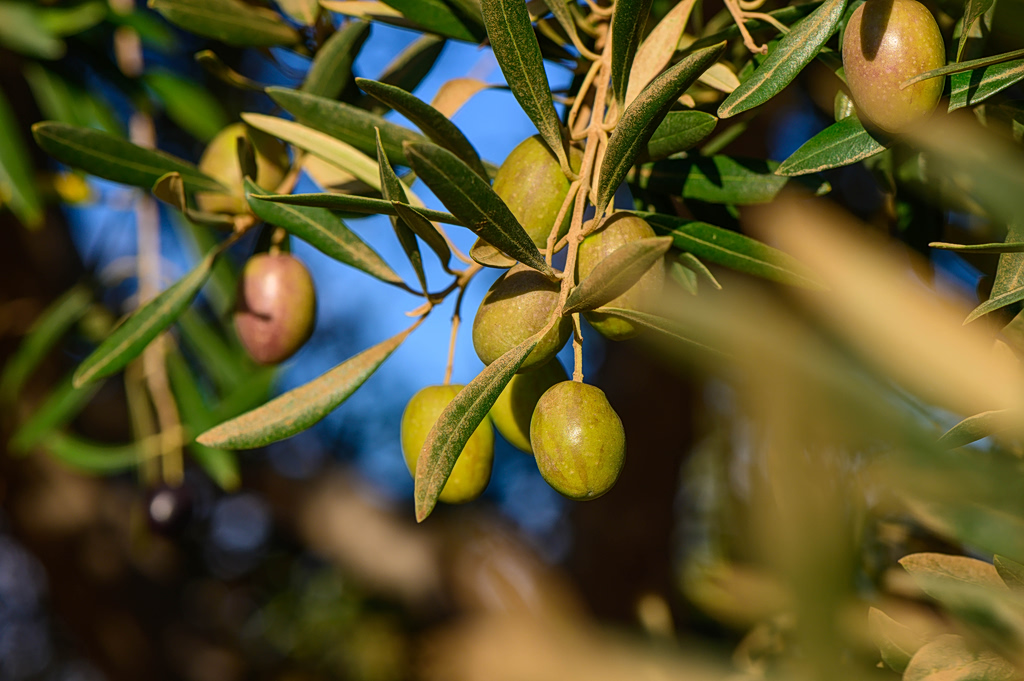
Will olive trees move to the mountains?
One proposed solution is the gradual relocation of olive cultivation farther north and to higher elevations.
The issue was recently raised by Christos Giannakopoulos, Research Director at the National Observatory of Athens, during a discussion in the Greek Parliament. He did not rule out the possibility that olive cultivation could gradually shift to higher altitudes, even into mountainous areas where olive trees do not currently thrive.
“Olive trees are perennial trees. They cannot simply be ‘relocated.’ Olive growers are tied to both their trees and their land. If the crop performs poorly, they will face serious problems. They have to find ways to make it work,” says Vasilis Demopoulos, professor in the Department of Agriculture at the University of the Peloponnese and director of the Kalamata Olive Oil Tasting Laboratory, speaking to TO VIMA.
Petros Roussos, professor of Arboriculture and Olive Cultivation and director of the Arboriculture Laboratory at the Agricultural University of Athens, agrees.
“Perennial species such as olive trees cannot migrate, which means they are forced to endure all climate-related changes,” he says.
He notes, however, that milder winters are not beneficial for olive trees.
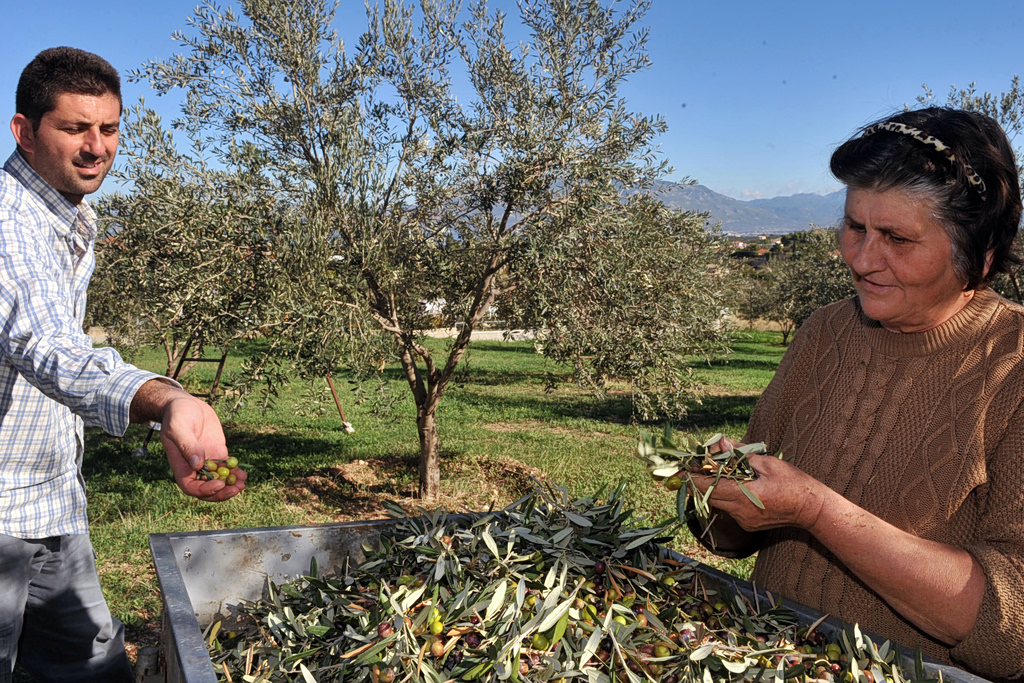
Farmers load freshly harvested olives into a machine to remove the leaves and prepare them for storage in sacks, in Corinth, on Monday, November 12, 2012. Photo by Vasilis Psomas.
“Olive trees need a little cold and water,” he says, while not ruling out the future selection of olive varieties based on local climate conditions.
“There are olive varieties from northern regions, such as Halkidiki, that do not tolerate warm winters. The same applies to the Tsounati variety from Crete. By contrast, the Koroneiki variety has no issue with mild winters, while the Kalamon variety is currently performing well in the areas where it is cultivated. Not all varieties can respond equally well in all regions. In the future, we may reach a point where we choose the appropriate variety for each region according to its climate.”
According to the professor, mild winters are not a positive development for olive trees. He points to the biological processes of the tree and the seasonal risks it faces amid the climate crisis.
The four seasons of the olive tree
In spring, the olive tree enters its flowering stage, a critical period for both the tree and the grower. Very high temperatures—above 28°C—can cause the pollen grain, the male part of the flower, to dry out, while dehydrating the female part. This can lead to fertilization problems. If fertilization does not occur, there is no fruit production.
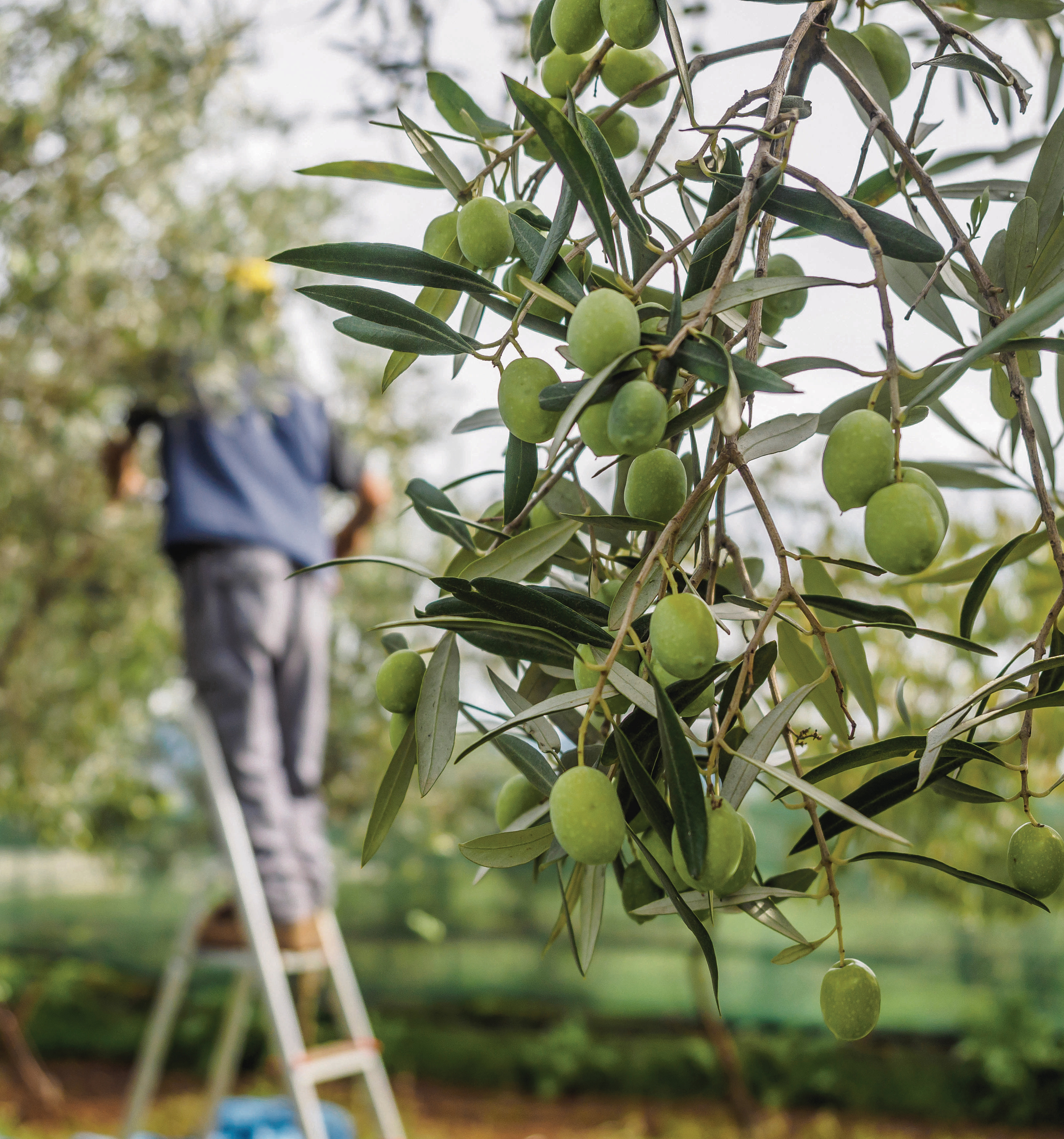
During summer, shoot growth takes place and any existing fruit continues to develop. Temperatures above 35°C, which have become increasingly common in Greece, combined with little or no rainfall, can significantly reduce vegetation growth. The growth produced this year will bear next year’s fruit. High temperatures also affect olive oil quality.
In autumn, both shoots and fruit continue to grow. This is the period when large amounts of olive oil accumulate inside the fruit. Rainfall may remain limited or absent. Most olive groves grown for olive oil production are rain-fed and do not rely on artificial irrigation.
However, floods can also occur, as happened during Storm Daniel in 2023. Such events can reduce vegetation growth and production in the following year, while also affecting quality.
In winter, olive trees enter a type of dormancy. During this resting period, the flower structures complete their development.
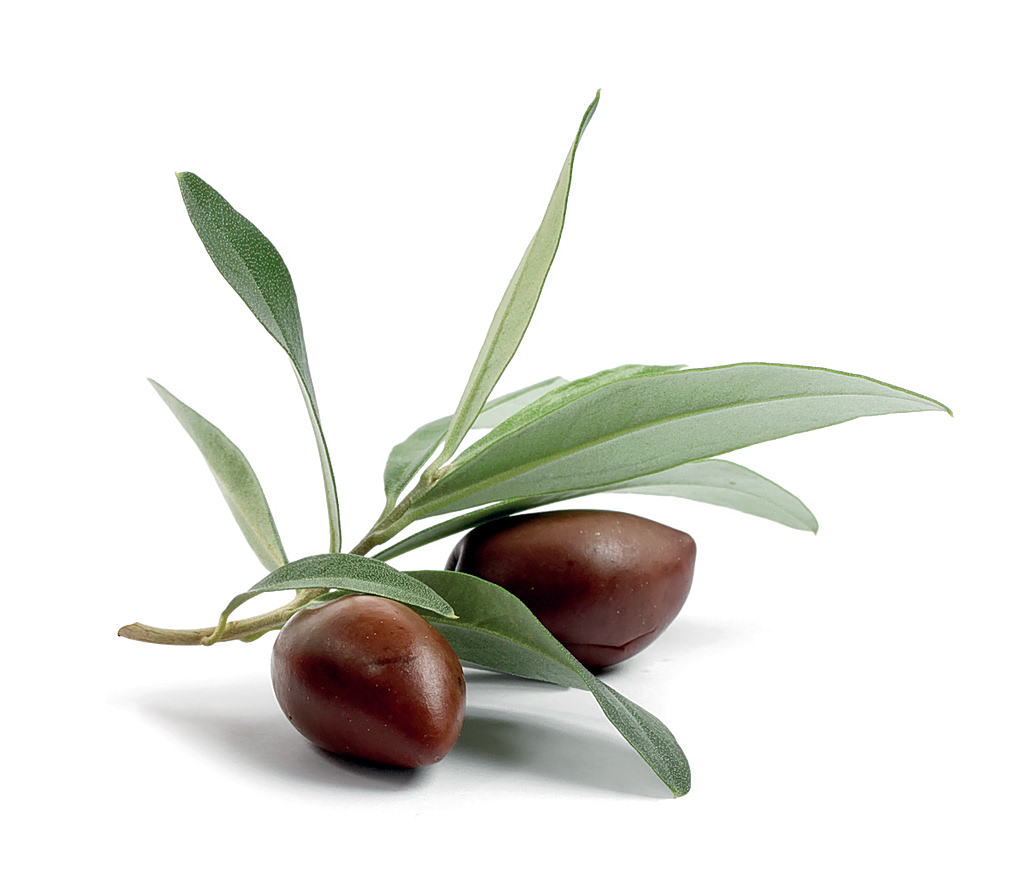
What impact can climate change have during this critical stage?
With mild winters and limited rainfall, flower development may not be completed properly. In many cases, only male flowers may form, while female flowers—which are more difficult to produce—may not develop, creating problems for future production.
On the other hand, extremely harsh winters can lead to fruit damage from freezing.
“As with all agricultural products, climate change is affecting olive trees as well,” says Giorgos Mitrakos, General Director of the Association of Greek Olive Oil Standardization Industries (SEVITEL).
He recalls that about two years ago olive oil production dropped sharply because of unusually high winter temperatures and prolonged drought.
“This year, production is somewhat lower because last year was very warm. We produced around 200,000 to 220,000 tons,” he adds.
Anthracnose, the coronavirus of olive groves
Alongside extreme weather conditions, climate change is also bringing pathogenic microorganisms and diseases.
“We have anthracnose. It is a disease we have known about for 30 years, but it never caused major problems. Suddenly, however, most olive groves are facing issues, partly because of increased rainfall,” says Roussos.
Demopoulos compares anthracnose to the coronavirus.
“This disease appeared suddenly, like COVID-19, and since then it has caused problems for olive growers every year,” he says, explaining that it is a fungal disease that attacks olive fruit.
Meanwhile, neighboring Italy has seen the spread of the bacterium Xylella, which has caused catastrophic damage to olive groves in the southern region of Apulia.

Frequent spraying may be backfiring
Geologist and Agricultural Olive Oil Cooperative of Kalamata President Michael Antonopoulos offers another possible explanation for the emergence of new diseases.
“I wonder whether climate change is the only factor, or whether frequent spraying linked to intensive cultivation practices also plays a role,” he says.
“When you spray frequently, you kill not only harmful microorganisms but beneficial ones as well. As a result, olive groves become more vulnerable to disease.”