
 Μake us preferred on Google
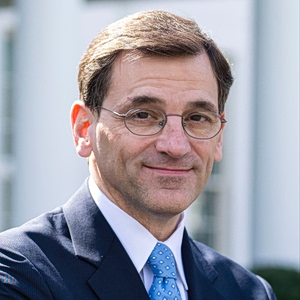
 Drawing on decades of experience covering multiple administrations, Baker explores the unprecedented challenges facing journalists, the erosion of public trust, and the growing polarization defining American politics today. As the media landscape contracts and political tensions rise, Baker reflects on what these changes mean for democracy, accountability, and the future of independent journalism in the United States. Peter Baker, Chief White House Correspondent for The New York Times, will participate in the Delphi Economic Forum, 22-25 April, 2026.
How has working inside the White House changed for journalists under the Trump administration compared to the past?
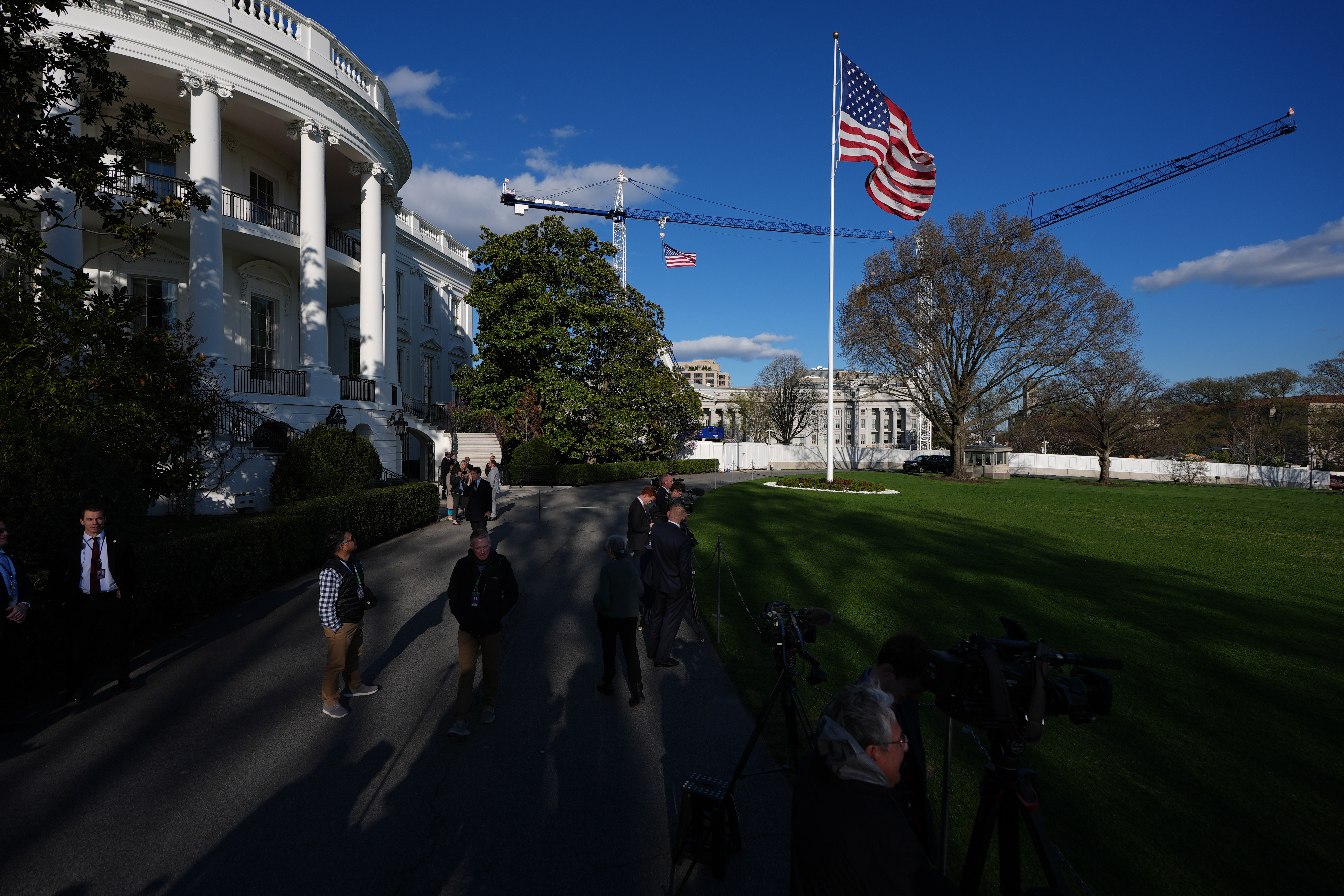
The Trump White House is vastly different from any other White House I’ve covered, Republican or Democrat. On the one hand, this president talks with reporters more than any other in modern times. On the other, he has worked to systematically pressure reporters more than any other in modern times. He has taken control of the White House press pool and evicted news organizations that anger him while replacing them with political organs that send to the White House not independent journalists but supporters of his. He has sued some news organizations, used the FCC to pressure others and helped support the corporate takeover of still others.
NEWSLETTER TABLE TALK
Never miss a story.
Subscribe now.
The most important news & topics every week in your inbox.
You’ve reported on Obama, Clinton, and Bush — what makes covering Trump completely different?
President Trump is different in almost every way. Other presidents were more predictable, respected certain norms and dealt with reporters professionally. With Trump, on any given day, we never know for sure what he will do. He talks with us more than any other president but is also more personally belligerent than any other president to journalists who ask questions or write stories he does not like.
What does the mass layoff and contraction of The Washington Post — once a pillar of investigative journalism — mean for democracy and accountability in the U.S.?
Nothing good, that’s for sure. We all depend on a healthy independent media to make democracy work, hold people in power accountable and provide readers with reliable, factual information. I worked at The Post for 20 years before moving to the The Times in 2008 and throughout my life until now it has been a mainstay of the American news industry, a fearless truthteller regardless of the pressure from powerful people. Now it is a shell of its former self. It still has some remarkable reporters doing important work, but without a robust newspaper based in the nation’s capital, Americans are left with far less insight into the workings of their government.
Are U.S. newsrooms under greater pressure than at any time since Watergate — politically, economically, or culturally?
Yes, for sure. The number of daily newspapers in the United States has fallen from 7,325 to 4,562 in just 20 years and the number of newspaper jobs has fallen by 70 percent. Polls show that public trust in the media is at a low point. Increasingly Americans turn to ideological sources of information that suit their own political views rather than look for indepedent journalism that may challenge their ideas. Our challenge is to remind Americans why independent journalism matters in a democratic society.
Is the Trump era now a permanent feature of American politics — or a phase that can be reversed by public pressure and institutional safeguards? You recently wrote that Trump, in his second term, is building an unprecedented cult of personality in American history, creating a mythologized, almost omnipresent persona. Do you think we are likely to see more ‘Trump-like’ presidents in the U.S. in the future, or is this truly unique?
Trump is sui generis but he does represent a fundamental shift in American politics that is not going to simply go away when he does. He tapped into a broad sense of disaffection by many Americans (though not a majority) who feel that the country has slipped away from them demographically, economically, politically, culturally or ideologically. Whoever comes next will face a country that is as polarized as it has been at any time since the early 1970s. But I don’t think that future presidents or presidential candidates can simply mimic Trump. He is a unique figure and immitation is not a guarantee of success.
How real is the danger that polarization and political attacks on institutions could weaken American democracy long term?
Americans have grown increasingly polarized and distrustful of their institutions over many years, starting long before Trump came along. He did not create this situation, but he did tap into it effectively and channel it into two successful campaigns for president. If Americans lose faith in their democracy, if they assume that any election their side loses is only because it was rigged, if they think that every politician abuses power and enriches themselves, it makes it harder as a society to find common cause, solve problems and assert leadership in the world.
President Trump’s repeated attacks on polls and mainstream media as “fraudulent” — do they pose a direct threat to public trust in facts and democratic processes?
Increasingly we see a choose-your-own-facts environment in which partisans trust only information that confirms their own preconceived notions. It means that the polticial world is not starting from the same fact set, making it that much harder to come together for solutions.
How has the Trump-era approach to immigration and law enforcement affected the public’s faith in democratic institutions? And in light of the Minneapolis killings and rising anti-immigrant rhetoric, how is America changing from the country we once knew?
America has always struggled with questions of immigration going back to the 19th century, but we are a point in the historical cycle when hostility to people originally from outside the country has reached a new peak. The question is whether the handling of Minneapolis and other scenes from the past year have turned off people who previously supported a crackdown on immigration and whether the economic cost of losing so many immigrant workers creates a countervailing pressure on the government. Many Americans supported Trump’s effort to close the border, especially to those coming illegally, and support deporting violent criminals, as he has promised. But they have recoiled some of the actions against immigrants who are not criminals, which is the vast majority of those arrested so far.