For sixteen years, the death of Jean Hanlon was officially recorded as an accident. A drowning. A closed case. But for her children, it was never closed.
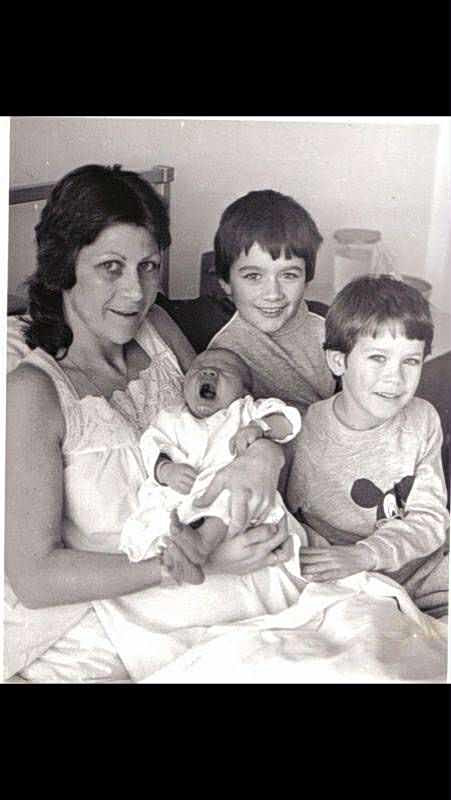
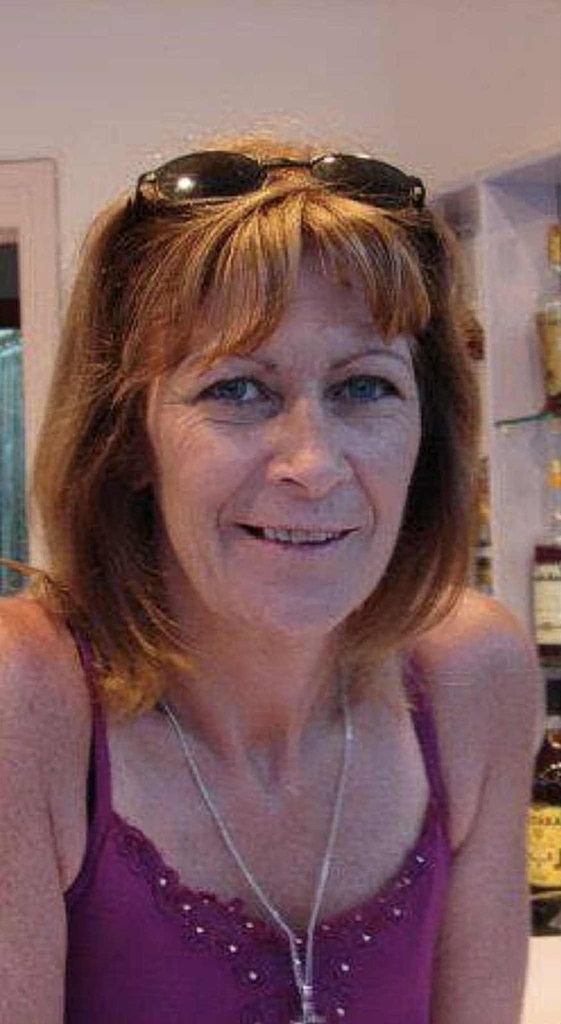
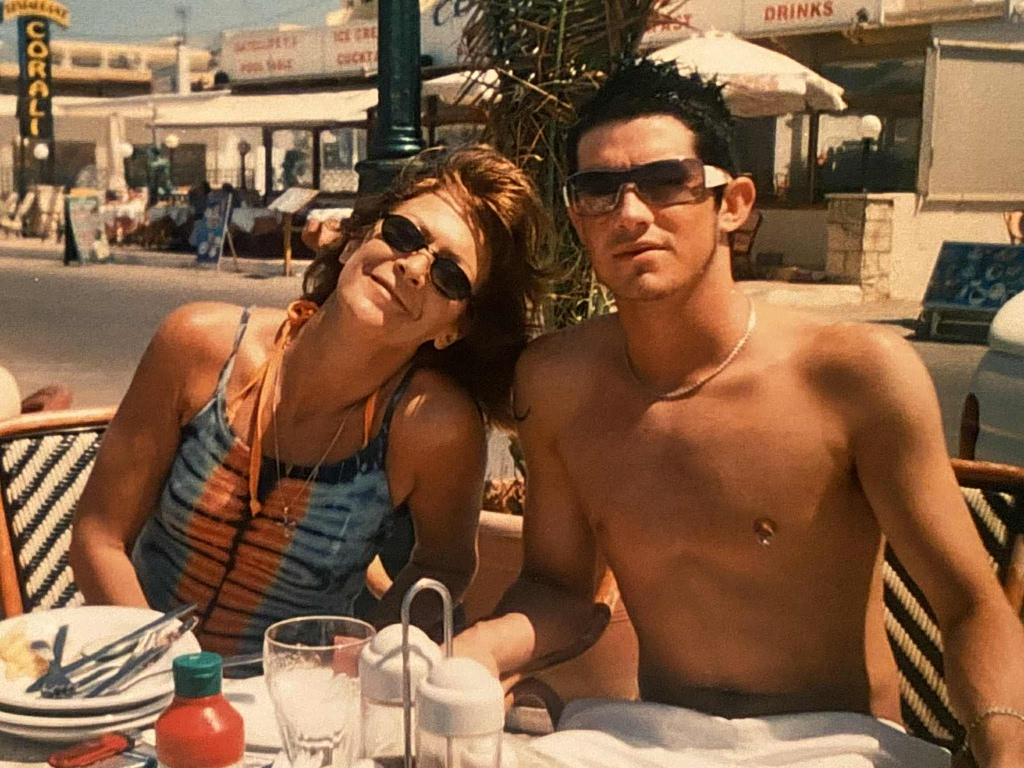
Jean Hanlon, 53, mother of three from Dumfries, Scotland, had moved permanently to Gouves, Heraklion in Crete, searching for a peaceful life in a place she deeply loved.
In March 2009, she disappeared. Four days later, her body was found in the sea near the port of Heraklion, in the maritime area of Nea Alikarnassos. It was in an advanced state of decomposition and bore injuries.
Despite the findings – and despite the final message on her mobile phone, which simply read “help” – authorities attributed her death to accidental drowning.
It took sixteen years of persistence, legal battles, private investigations, and public pressure for this version to be officially challenged.
A few days ago, the Heraklion Misdemeanours Council rejected the accident ruling and referred her former boyfriend to trial.
A 54-year-old local man is now charged with the murder of Jean Hanlon and will sit in the dock.
For the family, this is the first time the Greek judicial system has acknowledged that her death was not an accident.
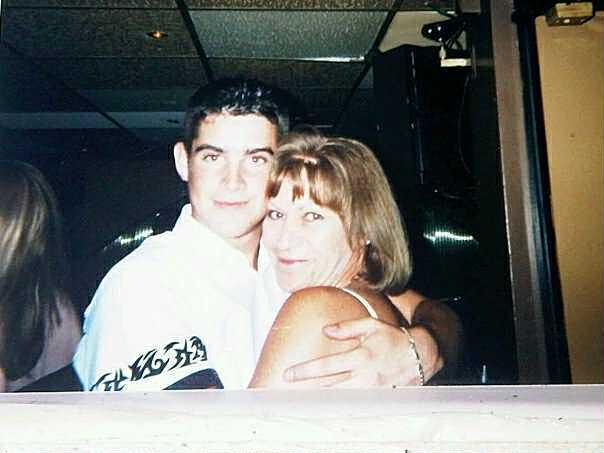
Speaking exclusively to TO VIMA, her son Michael Porter could hardly believe that this moment had come after 16 years.
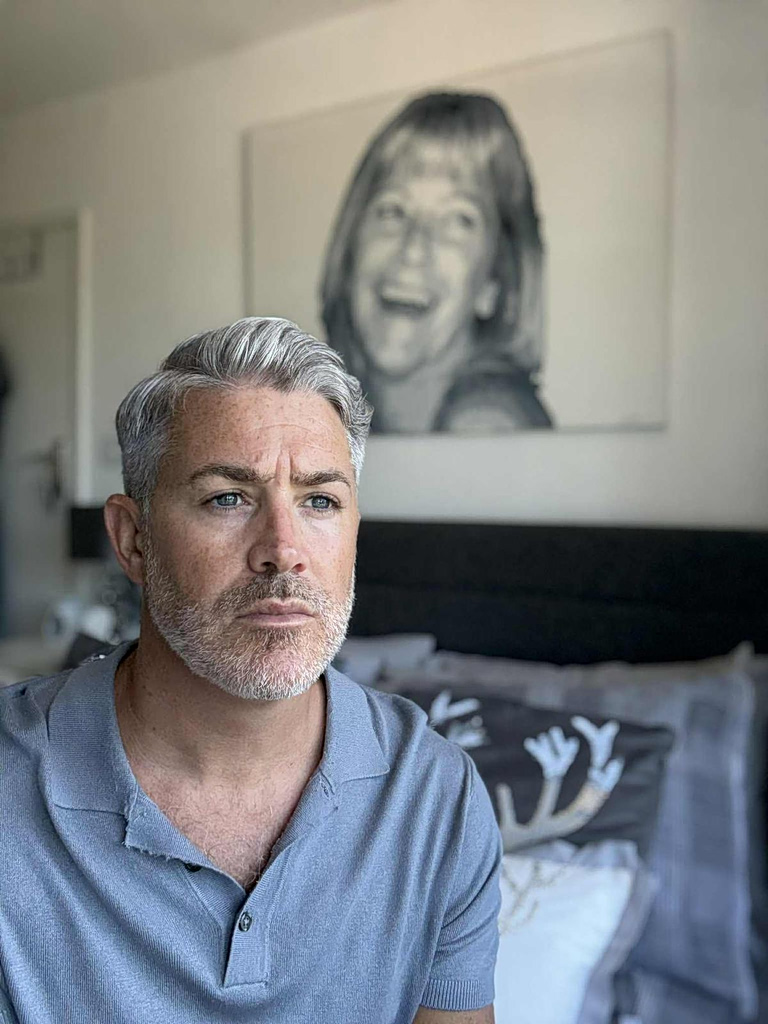
For her son, the news was difficult to absorb.
“It was a massive shock, to be honest. When we found out that finally our mum’s case was being taken to trial, you still – and even still to this day – have that underwhelming feeling of, is this actually happening when you’ve been fighting and campaigning?
For 16 years, for so long, you almost fall into a pattern of how it’s been happening over the years, where you’re built up and then suddenly knocked back down. But this is just a massive, massive leap in the right direction. So it’s a great feeling, you know that.”
“You get very sceptical because of the constant knockbacks and case closures over the years.”
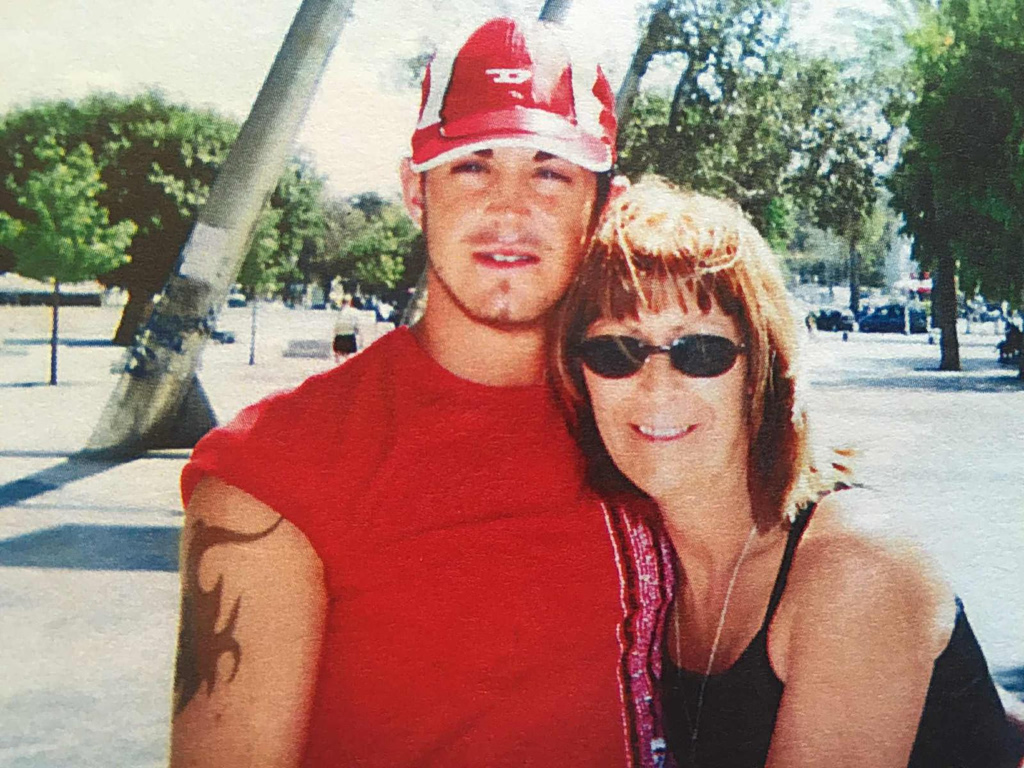
That scepticism, he says, was a way to survive.
“But we’ve always kind of kept that faith and hope, and that’s what’s keeping us now – that this is, and will be, the final stages in getting justice for our mum.”
The original ruling of accidental drowning caused deep psychological trauma. Porter says his mother was terrified of water.
“Knowing that my mum was terrified of water – she would never put her hair, her head under water. It haunted my dreams for years, because they told us she drowned.
That she was panicking in the sea, screaming for help, and nobody was there to help her.”
For years, that image replayed in his mind. “All these uncertainties and unknown situations constantly play over in your mind and… it definitely tortured a lot of my dreams for years, thinking about what may or may not have happened to her.”
Justice, Porter explains, is not simply about a verdict.
“Justice is a mixture of things for me and the family… knowing that the person who did this to her does not get away with it.”
But justice, he adds, also means accountability beyond one individual.
“This has to change how the authorities deal with things, especially in a foreign country… more care, consideration and respect needs to be shown.”
At the heart of the case lies Jean Hanlon’s personal diary. She kept it diligently until the morning she disappeared. Reading it, Porter says, felt like crossing a line – yet it became the most powerful piece of evidence.
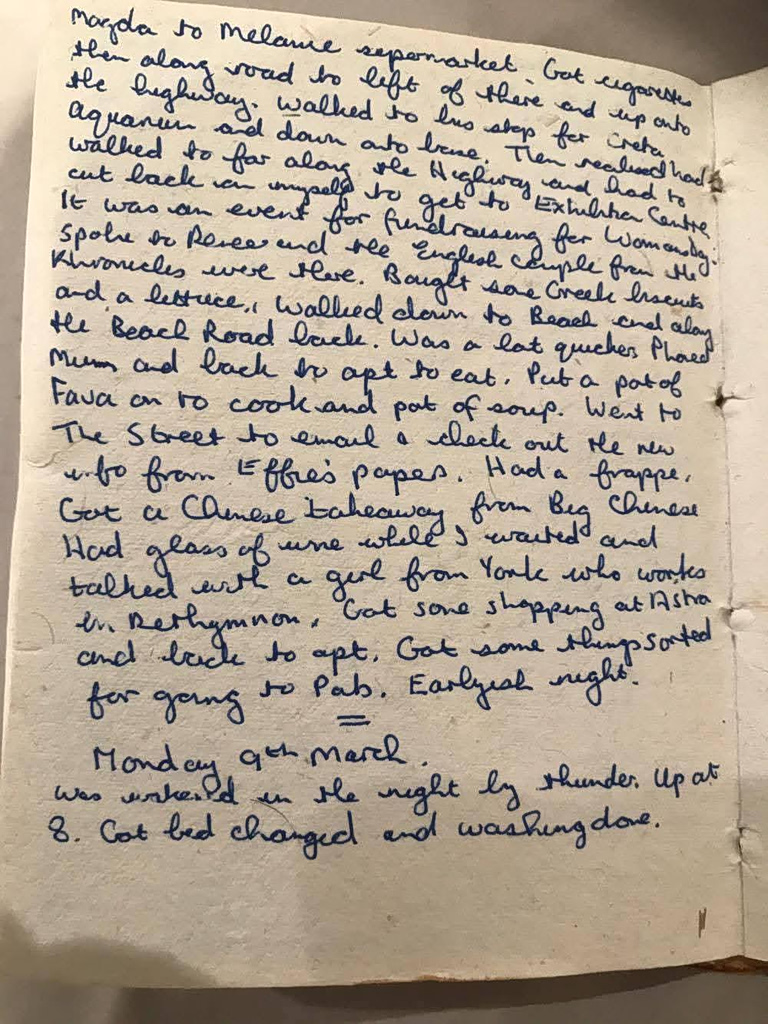
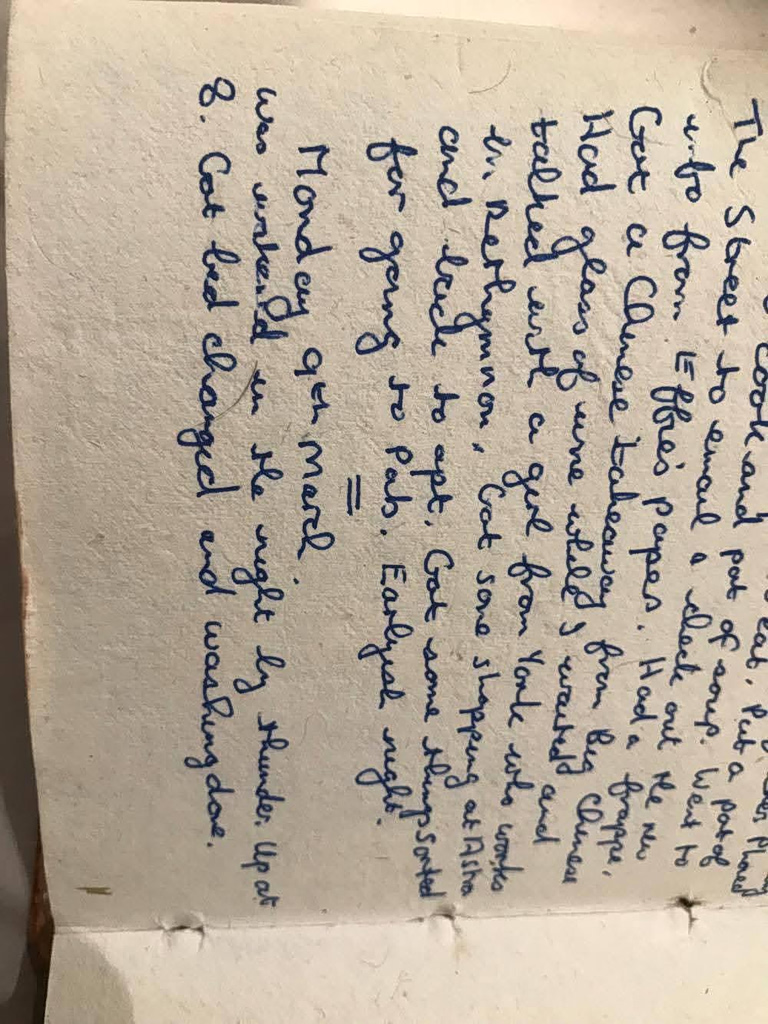
“Nobody should ever have to, or be allowed to, read someone’s diary. It’s someone’s personal thoughts. And to read that of your mother, it’s like a massive invasion of privacy.”
“You can’t change the words of the dead… she led us to the suspect.”
The diary documents a brief acquaintance with a man she met in a bar.
“I wouldn’t even say she was dating him… it wasn’t long enough.”
What followed, however, was disturbing. According to the diary, the man began showing up uninvited at her home, waiting nearby, asking for money, and repeatedly attempting contact after she had made it clear she wanted none.
“You could see that this guy was becoming obsessive and stalker-like… he wasn’t happy to just let that go.”
She quoted in her diary saying that “she was sick of feeling second best and she was going to have a man-free zone.” So that’s why she. Informed the suspect that to end whatever that was, that they had, she didn’t want it anymore. She didn’t want it anymore. She didn’t feel comfortable. There were never any words of fear or anything like that in the diary, or to us.
On the day she disappeared, she told witnesses she would meet this man. She also mentioned that a car was following her – something Porter believes she had recognized.
“If she was really concerned… she wouldn’t have gone back out.”
The trial is scheduled for 26 June 2026. Porter and his brothers will travel to Crete to attend. The anticipation is emotionally overwhelming.
“One, he might get off… he won’t confess. I mean, for us, confession would be the best outcome. Because then. I think then you would only really get closure. However, knowing everything we know about this person and our mum, it’s hard to think it could have been anyone else. So even if he doesn’t confess and he is convicted, then. I’m hoping that would still bring some kind of comfort and peace and rest for our mum and for us too.”
If he could ask the accused one question, there is no hesitation.
“Why? Why did you do it?… Why put us through all this?”
Despite everything, Porter expresses gratitude to the authorities now handling the case.
“Thank you now for finally, finally listening… please leave no stone unturned.”
To other families fighting similar battles, his message is clear.
“No matter how hard it is. Keep fighting… never give up.”
Asked what he believes his mother would say if she could see what her children have done in her name, Porter answers softly.
“It’s the duty of the living to speak for the dead, as they cannot speak.”
Sixteen years after Jean Hanlon disappeared, her voice – through her diary, her children, and the courts – is finally being heard again.