Nearly three decades after Princess Diana’s death, the arguments surrounding her life, her marriage and her relationship with the Royal Family are about to be reopened.
Earl Spencer’s new memoir, Swan Song: Diana, My Sister, is being presented by its author as his most personal book yet – an account of Diana from the perspective of the brother who knew her from childhood and who stood at the centre of the extraordinary public mourning that followed her death.
Four copies of the book that Buckingham Palace will have been hoping never to see have already disappeared – before most readers have even had the chance to buy them.
The copies of Earl Spencer’s Swan Song: Diana, My Sister were reportedly stolen from a lorry in the Netherlands earlier this week, days before the memoir’s publication. It has been reported that the four copies were from the Dutch-language edition and had been taken while the truck was travelling from the Dutch publisher’s printers to a warehouse. Dutch police are investigating.
The circumstances have only intensified the fascination surrounding a book already described as one of the most closely guarded publishing events of the year.
The lorry driver was sleeping in his cab during a mandatory break when the books were taken. Publishing sources described the incident as highly unusual, particularly given the precautions taken to prevent the memoir leaking before its serialisation.
The first revelations from Swan Song suggest that Spencer is not merely revisiting Diana’s life. He is revisiting the bitter days immediately after her death – and placing the then Prince Charles at the centre of one extraordinary confrontation.
According to extracts, Spencer writes that he opposed the decision for the teenage William and Harry to walk behind their mother’s coffin during the funeral procession.
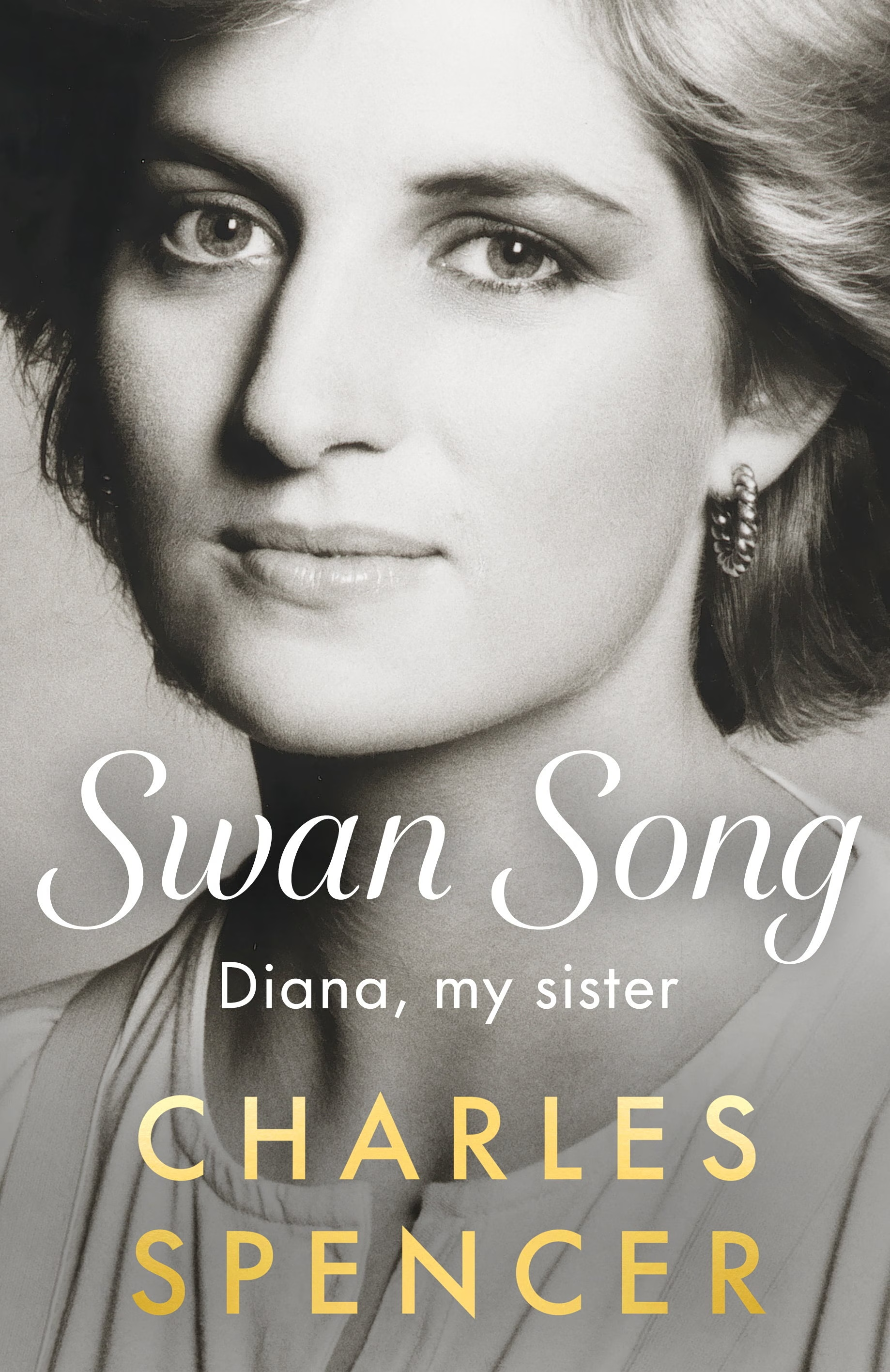
The front cover of Charles Spencer’s book “Swan Song, Diana: My Sister”, obtained by Reuters on September 17, 2026. Courtesy of Penguin Michael Joseph, a division of Penguin Random House/Handout via REUTERS. THIS IMAGE HAS BEEN SUPPLIED AND PROCESSED BY A THIRD PARTY AND IS DISTRIBUTED BY REUTERS AS RECEIVED. NO RESALES. NO ARCHIVES.
He says that when a senior aide of the late Queen told him the boys would take part, he replied: “That’s not going to happen.”
Spencer says Charles subsequently telephoned him and invoked his own participation in Lord Mountbatten’s funeral in 1979.
The memoir describes Charles as becoming extremely angry when Spencer pointed out that Charles had been 30 at the time, rather than a child.
Then comes the most incendiary passage.
Spencer writes that Charles continued his anger before, in Spencer’s recollection, unleashing what he interpreted as “his pent-up contempt for Diana, and his horror that the world was so bowled over by her death”.
“Rest assured,” Spencer says Charles told him, “we’ll forget her soon enough!”
Spencer writes that he was so stunned that he replied: “I can’t believe you just said that,” before ending the call.
A Palace spokesperson told TO VIMA: “While we do not comment on books as a matter of principle, His Majesty is mindful that the pain of fraternal grief can cloud reason, affect judgment and colour memory in ways others do not recognise, even many years after such a loss.”
The statement is striking not only because it is striking not only because it addresses the allegation without directly commenting on the book, but because it places the question of memory and grief at the heart of the dispute.
It also echoes the language used by the late Queen in the aftermath of the Sussexes’ Oprah interview, when the Palace said that “recollections may vary”. In this case, however, the Palace response is carefully framed around the particular circumstances of Diana’s death and the pain experienced by her brother.
But as extracts from the book begin to emerge, the memoir is already generating a new debate: why now, what will Spencer reveal, and how will the Royal Family respond?
TO VIMA spoke exclusively to Professor Ellis Cashmore of Aston University, royal commentator Richard Fitzwilliams, royal commentator Victoria Arbiter and British royal correspondent Richard Palmer about the book, Spencer’s relationship with Diana, the potential impact on the monarchy and the motives behind revisiting one of the most painful chapters in modern royal history.
‘Spencer is taking a calculated risk if he attacks the King’
Ellis Cashmore tells TO VIMA that the Earl’s criticism of Charles could provoke a reaction from a younger generation
Professor Ellis Cashmore believes Earl Spencer is taking a significant risk if the memoir becomes a sustained attack on King Charles.
“Spencer is taking a calculated risk if he attacks the King,” Cashmore told TO VIMA.
He points to an important generational change in the British public.
“The King has a generation of followers who do not remember ‘Camillagate’ and will feel understandable compassion for someone currently living with cancer.”
For Cashmore, that changing public memory matters.
The generation that witnessed the collapse of Charles and Diana’s marriage experienced it differently from younger Britons who know the story largely through documentaries, books, archive footage and the continuing mythology surrounding Diana.
That means Spencer’s account may not automatically produce the public reaction that some might expect.
“Spencer’s critique of the King, if that’s what emerges in the book, will not necessarily earn him kudos,” Cashmore said.
“It could draw a backlash.”
‘There is a Diana industry now’
Cashmore questions whether Diana herself would have approved of another public examination of her life
The sociologist also raises a more fundamental question: whether Diana herself would have wanted such intimate details about her life and family relationships to be made public again.
Asked by TO VIMA whether Diana would have approved of the memoir, Cashmore’s answer was emphatic.
“Oh, good Lord, no. No, I don’t think so. I don’t think any person would.” He described the continuing fascination with Diana as an “industry” and questioned the consequences of repeatedly reopening the story of her life after her death.
Yet Cashmore does not believe the memoir necessarily represents a new royal crisis.
In his view, the divisions surrounding Prince Harry and Meghan have already transformed the modern Royal Family’s internal disputes, making it difficult for another controversy to eclipse them.
Instead, the significance of Spencer’s book may lie in its ability to revive an older conflict – the relationship between Diana and the Windsor family – for a new audience.
‘This claim is grotesque and obviously untrue’
Richard Fitzwilliams launches a fierce attack on Spencer’s account
Royal commentator Richard Fitzwilliams takes a considerably harsher view of the material that has already emerged. “This claim is grotesque and obviously untrue,” he told TO VIMA.
“It is downright bizarre that he has waited 20 years to issue an attack as vicious as this.” Fitzwilliams went further, arguing that some of the material in the extracts may amount to fiction.
“It is obviously fiction, and much of the rest of the book may be too!”
He also criticised the writing itself, describing the portrayal of the then Prince of Wales as resembling a “pantomime villain”.
“The Prince of Wales ‘hisses’, like a pantomime villain. It is horrible,” he said. For Fitzwilliams, the timing is also significant.
He was initially surprised that Spencer had chosen to publish the memoir in the 29th anniversary year of Diana’s death rather than waiting for the 30th.
But he now sees the wider relationship between the Spencer family and the Sussexes as an important part of the context.
He points to the Spencers’ support for Prince Harry and the absence of other members of the Royal Family at the 10th-anniversary service for the Invictus Games at St Paul’s Cathedral.
‘The Spencers and the Windsors are far from close’
Fitzwilliams says old family tensions remain central to understanding the memoir
The relationship between Earl Spencer and the Royal Family has never been straightforward.
Fitzwilliams recalls Spencer’s ferocious criticism of the Royal Family during Diana’s funeral at Westminster Abbey.
He also points to the complicated relationship between Diana and her brother, including disagreements over her stay at Althorp and a letter Spencer sent her concerning her bulimia.
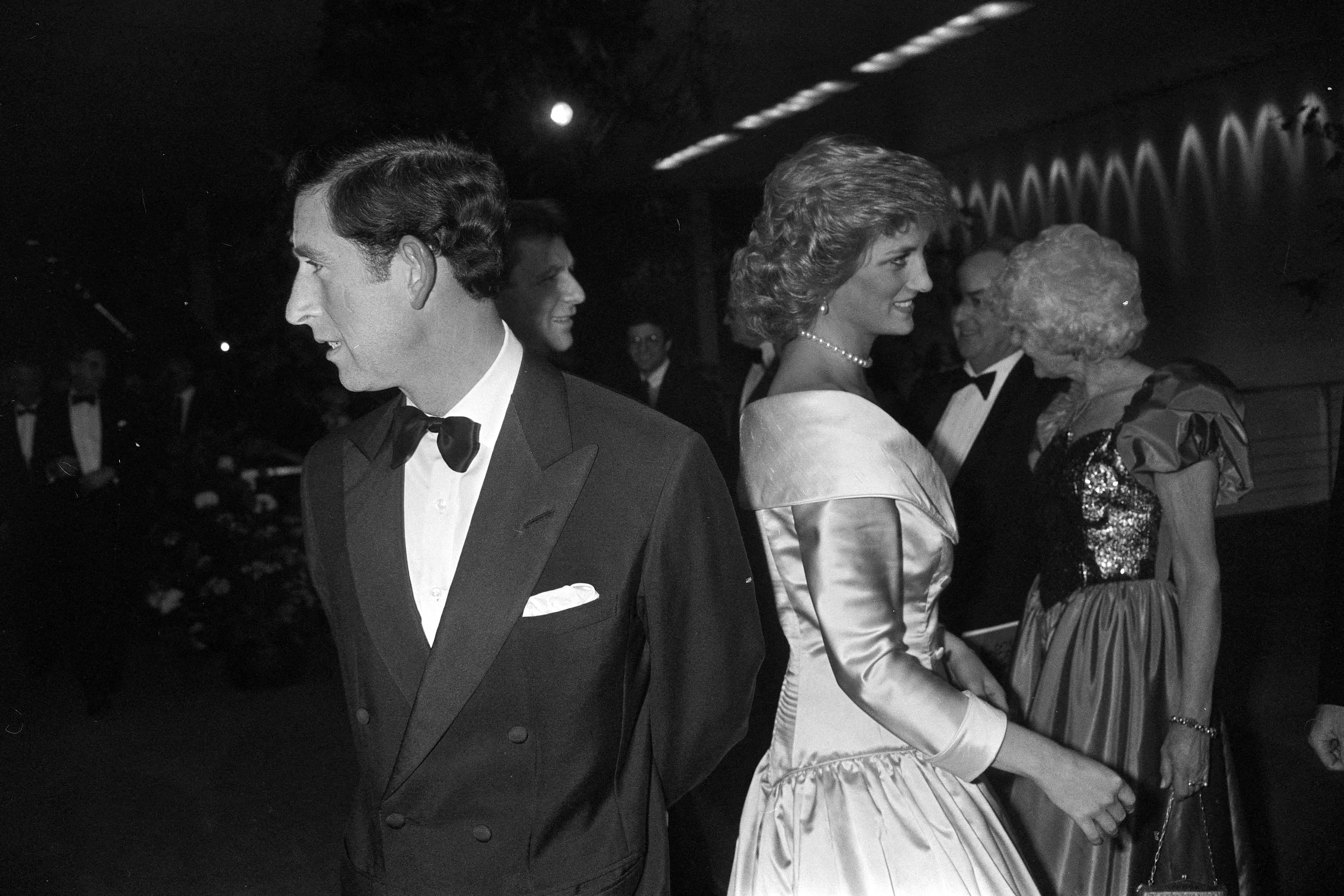
Prince Charles turns around as his wife, Princess Diana, talks to guests at a reception prior to the West Berlin premiere of the Royal Ballet in the German Opera, November 1, 1987. REUTERS/Wolfgang Kumm
According to Fitzwilliams, these unresolved memories may form an important emotional backdrop to the memoir.
“Spencer will almost certainly be haunted by these memories,” he told TO VIMA.
The history is particularly significant because Spencer was not merely Diana’s brother. He was also one of the people who became closely associated with the story of her relationship with the media and the Royal Family.
Fitzwilliams notes that Spencer introduced Diana to Martin Bashir, whose subsequent Panorama interview became one of the most controversial episodes in the history of the British monarchy.
‘The Earl’s account will stand as an historic record’
Victoria Arbiter says Spencer possesses an intimacy with Diana that few other authors can claim – but warns that the memoir offers only his version
For Victoria Arbiter, the importance of the memoir cannot simply be dismissed. “As Diana’s brother, the Earl’s account will stand as an historic record albeit one shared from his own perspective,” she told TO VIMA.
Of all those who have written about Diana since her death, Arbiter points out, Spencer possesses an unusually intimate knowledge of her as an individual. But that intimacy also creates a responsibility.
“One would have hoped that the passage of time would have allowed him the space to write with grace, forgiveness and the benefit of hindsight,” she said.
Instead, Arbiter is concerned by what she describes as “incendiary, and potentially defamatory, claims” which could cause further hurt to Princes William and Harry.
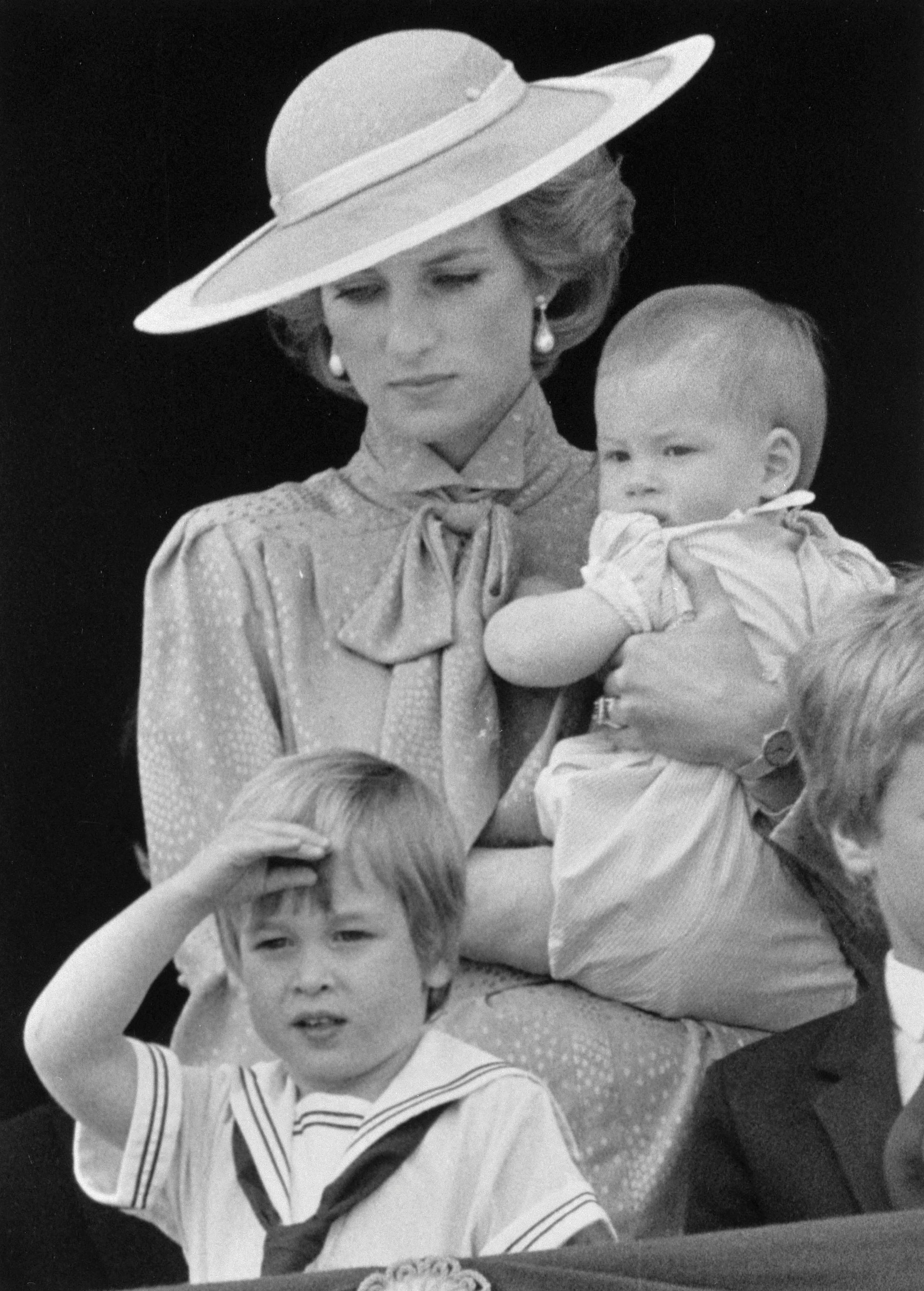
Britain’s Prince William makes Royal salute as he watches the scene of Trooping the Colour from the balcony of Buckingham Palace in London, England, with him is Princess Diana who is holding Prince Harry in her arms. June 15, 1985 REUTERS/Roy Letkey
And there is another question.
Why has Spencer chosen to tell his story now? “I couldn’t say,” Arbiter told TO VIMA, “but one has to wonder if he will also opt to address his own troubled relationship with his sister.”
For Arbiter, that is perhaps the central limitation of the book. “Books today are dependent on fiery revelations – the problem with Spencer’s is that it only provides his version of events.”
‘It will be pretty unwelcome for King Charles’
Royal correspondent Richard Palmer expects heavy criticism of the Royal Family
Richard Palmer, British royal correspondent, believes readers should expect substantial criticism of the way Diana was treated by the Royal Family.
“I think it’s likely that there will be heavy criticism of the way the Royal Family treated Diana,” Palmer told TO VIMA.
He points to Spencer’s public role at Diana’s funeral, when his eulogy delivered a devastating criticism of the treatment of his sister.
Palmer expects the memoir to develop that argument further. “I think her brother, Earl Spencer, has always made it clear that he wanted to defend her reputation, and he was highly critical of the Windsor family at her funeral.”
The consequences could be uncomfortable for the King. “I imagine he’s going to elaborate on that, and it’s likely to be pretty unwelcome for King Charles, I think, and for the institution of monarchy.”
Palmer places the book within a much wider period of pressure for the monarchy, with continuing controversies surrounding other members of the Royal Family and the return of Harry and Meghan to the United Kingdom.
The Spencer connection may therefore become increasingly important.
Palmer says Prince Harry has made no secret of his closeness to the Spencer side of his family, and he believes that relationship could help explain why the memoir is particularly significant for the Duke of Sussex.
‘He wants to put his side of the story’
Palmer believes Spencer’s motivation is partly about correcting what he regards as false accounts of Diana
Why write the book now? Palmer believes there may be several answers.
“I think Earl Spencer wants to put his side of the story,” he said. Spencer has previously said that he was repeatedly asked to write a book about Diana and that the approaching anniversary of her death prompted him to put his own memories on paper.
Palmer also believes Harry’s experiences within the Royal Family may have influenced Spencer’s decision.
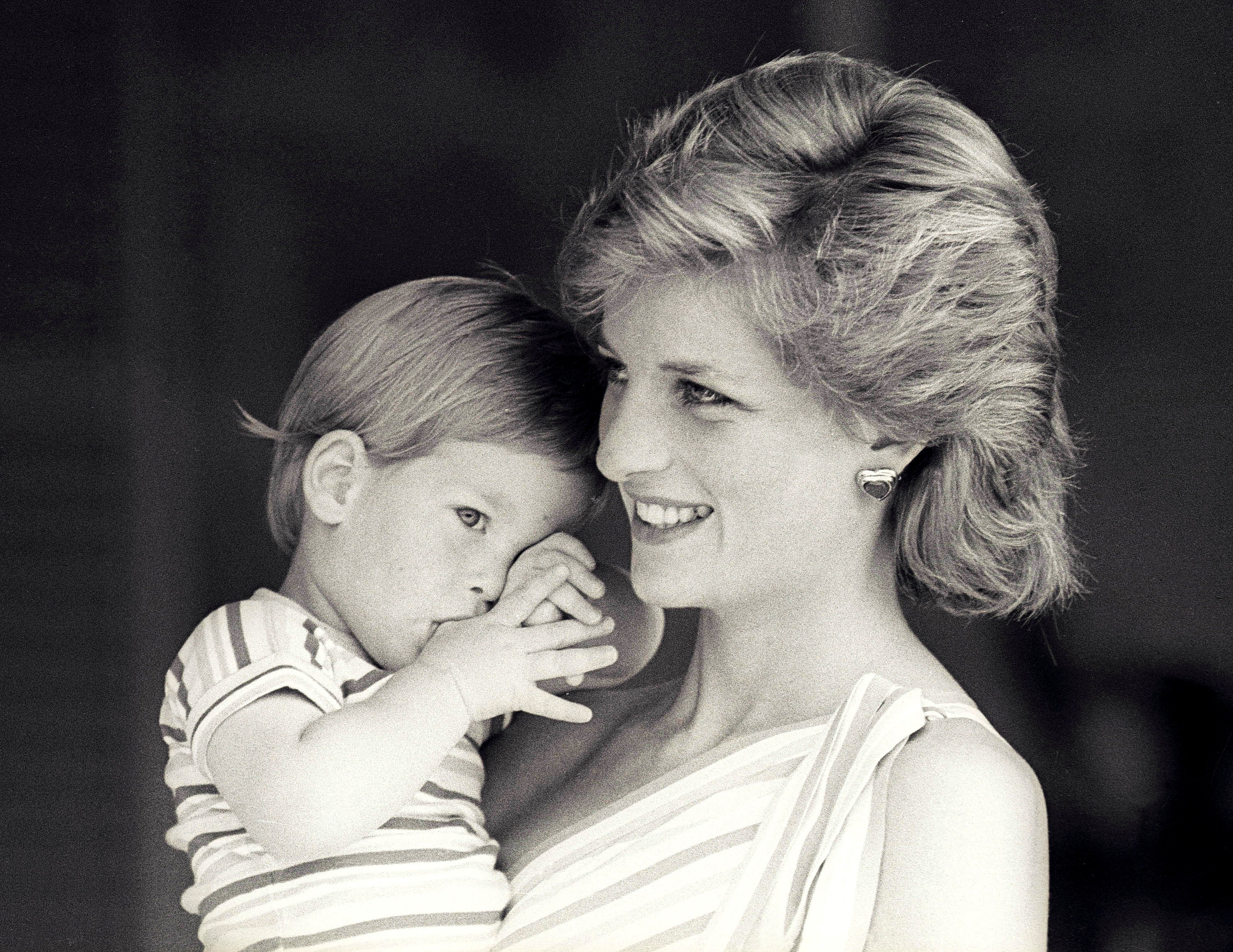
Britain’s Princess Diana holding Prince Harry during a morning picture session at Marivent Palace, in Mallorca, Spain August 9, 1988. REUTERS/Hugh Peralta/File Photo
“Harry’s problems might have been a contributory factor,” he said, suggesting that Spencer may see parallels between what happened to his sister and what has happened to her son.
Would Diana herself have approved? Palmer believes she probably would have.
“Everything I’ve read and heard about her suggests to me that she was very unhappy with the way she’d been treated.”
‘The monarchy is a very resilient institution’
Despite the expected controversy, Palmer does not believe the memoir alone will fundamentally alter the institution
The memoir could create an uncomfortable period for the Royal Family, but Palmer stresses the resilience of the monarchy. “It’s survived all sorts of crises, and it has shown that it can adapt to survive.”
He notes that polling continues to show substantial support for the institution, even though its popularity is not what it was 15 or 20 years ago. That distinction is important.
The publication of Swan Song may reopen arguments about Diana, Charles and the Royal Family, but whether those arguments translate into a lasting institutional crisis is a separate question.
For now, the book has succeeded in doing something else: bringing Diana back into the center of Britain’s royal conversation.
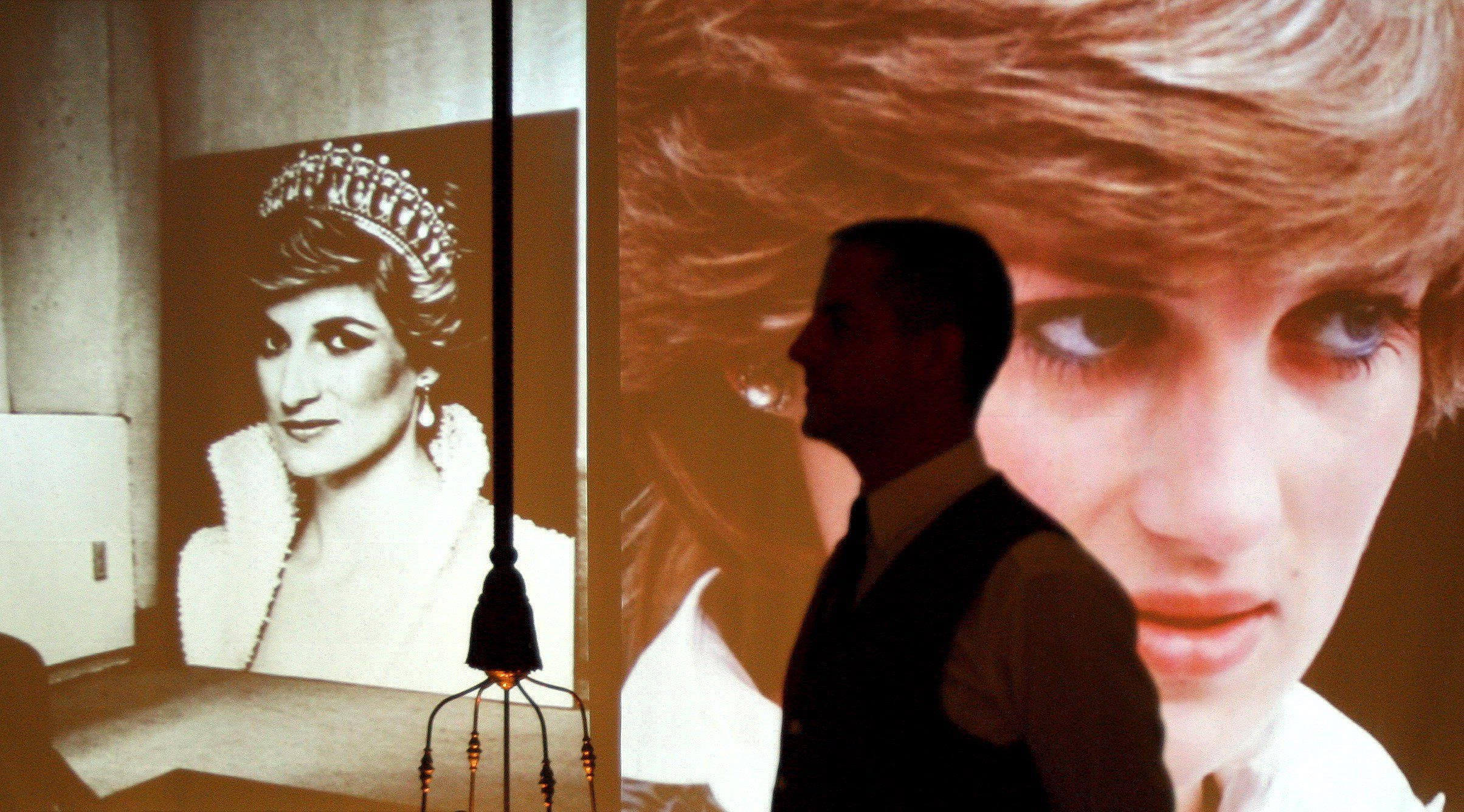
A staff of Kensington Palace, the former home of Princess Diana stands in front of an audio visual exhibition illustrating the life of the Princess of Wales in London, Britain, 29 June 2007. ‘Diana : a Princess Remembered’ EPA/ANDY RAIN
A brother’s version of Diana
Four experts, four perspectives – but one unavoidable fact: Spencer’s memoir is entering a Royal Family already under intense scrutiny
Earl Spencer has described Swan Song as a tribute to his sister and as an attempt to tell the truth about Diana from her brother’s perspective.
That distinction – his perspective – lies at the heart of the debate surrounding the book.
Cashmore questions whether Diana herself would have wanted another public examination of her life.
Fitzwilliams challenges the credibility and tone of the allegations already emerging.
Arbiter acknowledges Spencer’s unique position as Diana’s brother but warns that the memoir provides only his version of events.
Palmer expects serious criticism of the Royal Family but also believes the monarchy has demonstrated an ability to survive successive crises. What happens next will depend on what the full memoir actually contains.
But one thing is already clear. Almost 30 years after Diana’s death, the story of the Princess of Wales remains unfinished – and her brother is now preparing to tell his version of it.