 Μake us preferred on Google
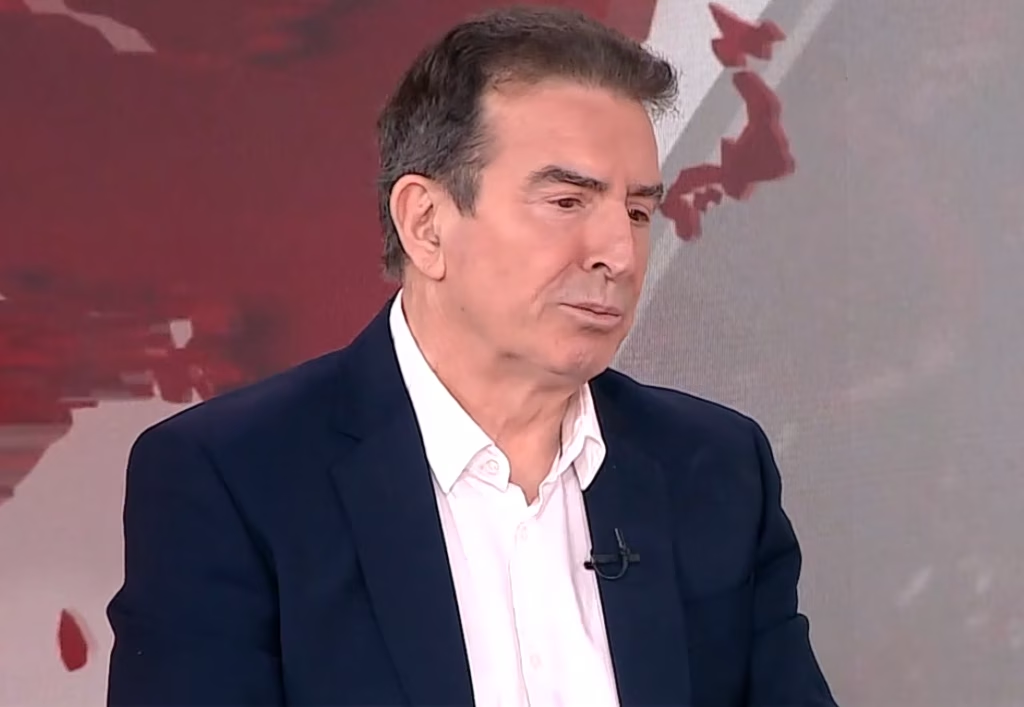
Greek Public Order Minister Michalis Chrysochoidis has announced plans to strengthen the fight against online fraud and organized crime, while defending the government’s handling of the electricity interconnection project between Greece and Cyprus.
In an interview with MEGA television, Chrysochoidis outlined the work of Greece’s organized crime unit, commonly referred to as the “Greek FBI,” saying it had arrested more than 2,000 suspects and dismantled nearly 200 criminal organizations in its first two years of operation. The unit’s investigations have also recovered tens of millions of euros for the state, he said. Chrysochoidis described the agency as an important tool for law enforcement and said he expected it to deliver further results in the coming months. He also pledged to continue investigating corruption within the police, saying officers implicated in criminal activity must be identified and brought to justice.
New Cybercrime Center to Target Online Fraud
The minister said authorities were developing a specialized center to combat cybercrime, bringing together key law enforcement agencies and private companies to tackle increasingly sophisticated online scams. The initiative, coordinated through the Greek FBI, is still in its early stages. “We need to move very quickly because fraudsters and criminals are moving faster than we are,” Chrysochoidis said, stressing the need to improve protections for the public.
He also addressed copper theft, saying police were working with Greece’s electricity distribution network operator, HEDNO, to investigate illegal electricity connections involving large businesses. Investigators are also examining scrap metal dealers in an effort to trace stolen copper and identify those involved in its resale.
University Security Measures Moving Forward
Turning to violence at Greek universities, Chrysochoidis said serious incidents had become isolated cases, while procurement procedures were underway to install surveillance cameras and controlled access systems on campuses.
He emphasized that police should not maintain a permanent presence inside universities but should intervene when necessary to prevent violence, injuries, property damage or vandalism. “The police are not inside universities, and they should not be inside universities,” he said. “When called upon, they must enter to save lives and prevent injuries, destruction and vandalism.”
Chrysochoidis said the authorities were working to ensure that those responsible for assaults, theft, robberies and fraud were identified and arrested. He called for the completion of university security plans, including the installation of cameras and systems restricting access to campus facilities.
Greece-Cyprus Electricity Cable Will Go Ahead, Minister Says
Chrysochoidis also addressed the planned electricity interconnection between Greece and Cyprus, insisting that the project would be completed. The minister rejected opposition accusations that the Greek government was relinquishing sovereign rights in connection with the project, describing the allegations as detached from reality. He said the interconnection was not simply an economic and energy project but also a matter of security.
Chrysochoidis also challenged suggestions that the Greek government could have secretly made concessions to Turkey. He questioned how any such arrangement could remain undisclosed, particularly given the international dimensions of the project and the involvement of France in related diplomatic discussions. “Seriously? Would something like that remain secret?” he asked.
The minister also criticized the opposition for focusing on the issue, arguing that there were other matters on which it could legitimately challenge the government.
He reiterated that the electricity interconnection would proceed, rejecting claims that its implementation would require Greece to surrender sovereign rights.