 Μake us preferred on Google
G7 foreign ministers met in Paris on Monday to assess whether President Trump’s defeat in the U.S. midterm elections will change the administration’s approach to Ukraine, the Middle East and its ties with its closest allies. Diplomats suggested that the Democrats’ gains could limit the White House’s room to maneuver. However, they warned against expecting a return to the traditional multilateral U.S. approach, since foreign policy remains largely under Donald Trump’s control.
The G7 is made up of Britain, Canada, France, Germany, Italy, Japan and the United States, as well as the European Union. Ministers from Ukraine, Saudi Arabia, Egypt, South Korea and Brazil are also taking part.
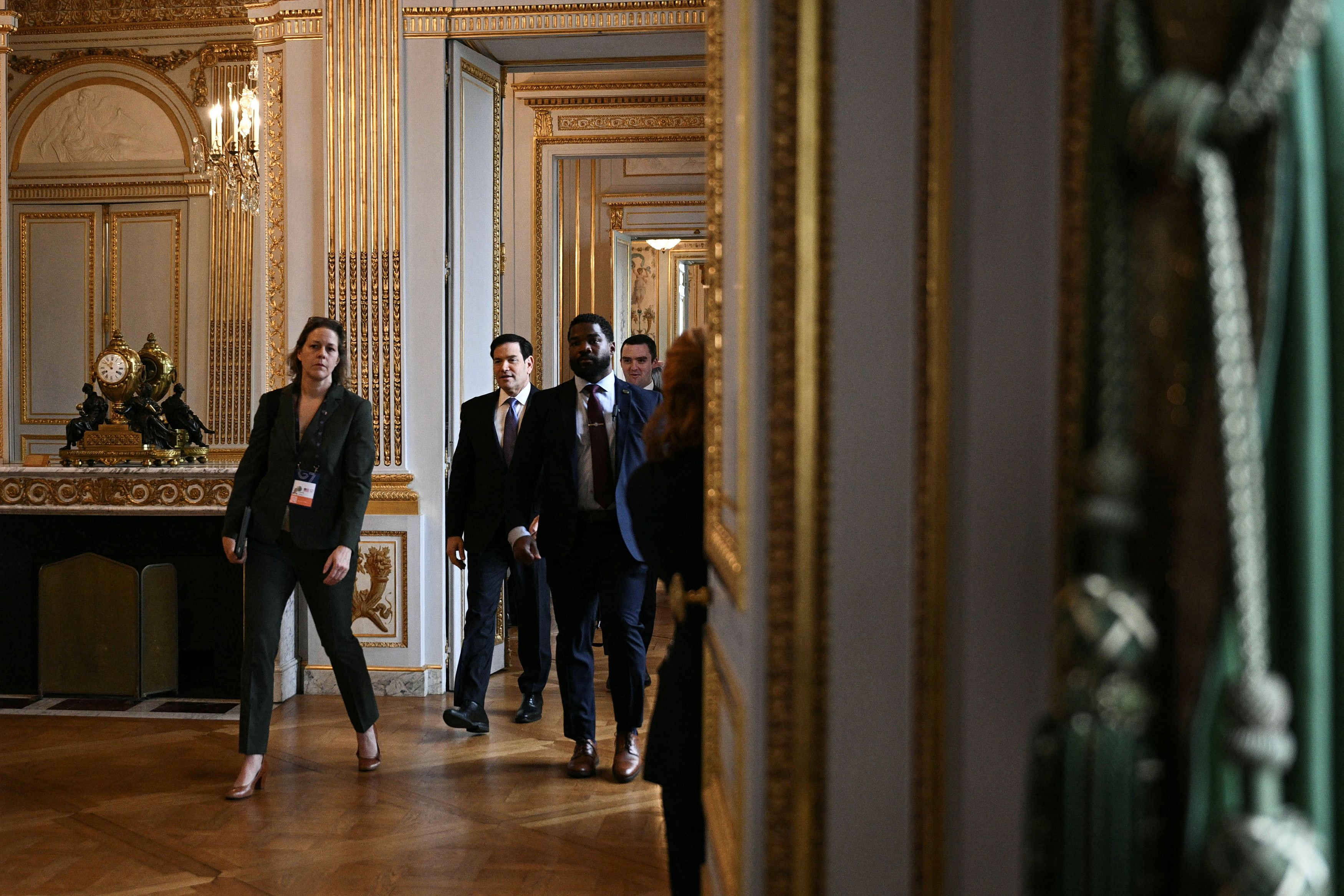
The meeting was moved from Marseille to Paris for security reasons, after weeks of protests across France. It was attended by U.S. Secretary of State Marco Rubio, who is seen as a possible candidate for president in 2028. Iran dominated the talks. Washington’s G7 allies have repeatedly expressed skepticism about the war and fear that further U.S. military action could worsen the crisis instead of resolving it.
Marco Rubio
Speaking to reporters, Rubio played down the chances of a deal with Iran, one of the issues that led voters to turn against Trump. “I wouldn’t say we’re on the verge of a major breakthrough,” he said, adding that leaders sometimes have to push unpopular policies because they are the right thing to do. “Right now, it hasn’t been very productive, because the Iranian demands are not just unacceptable but in some cases outrageous, ridiculous and truly unrealistic,” he said.
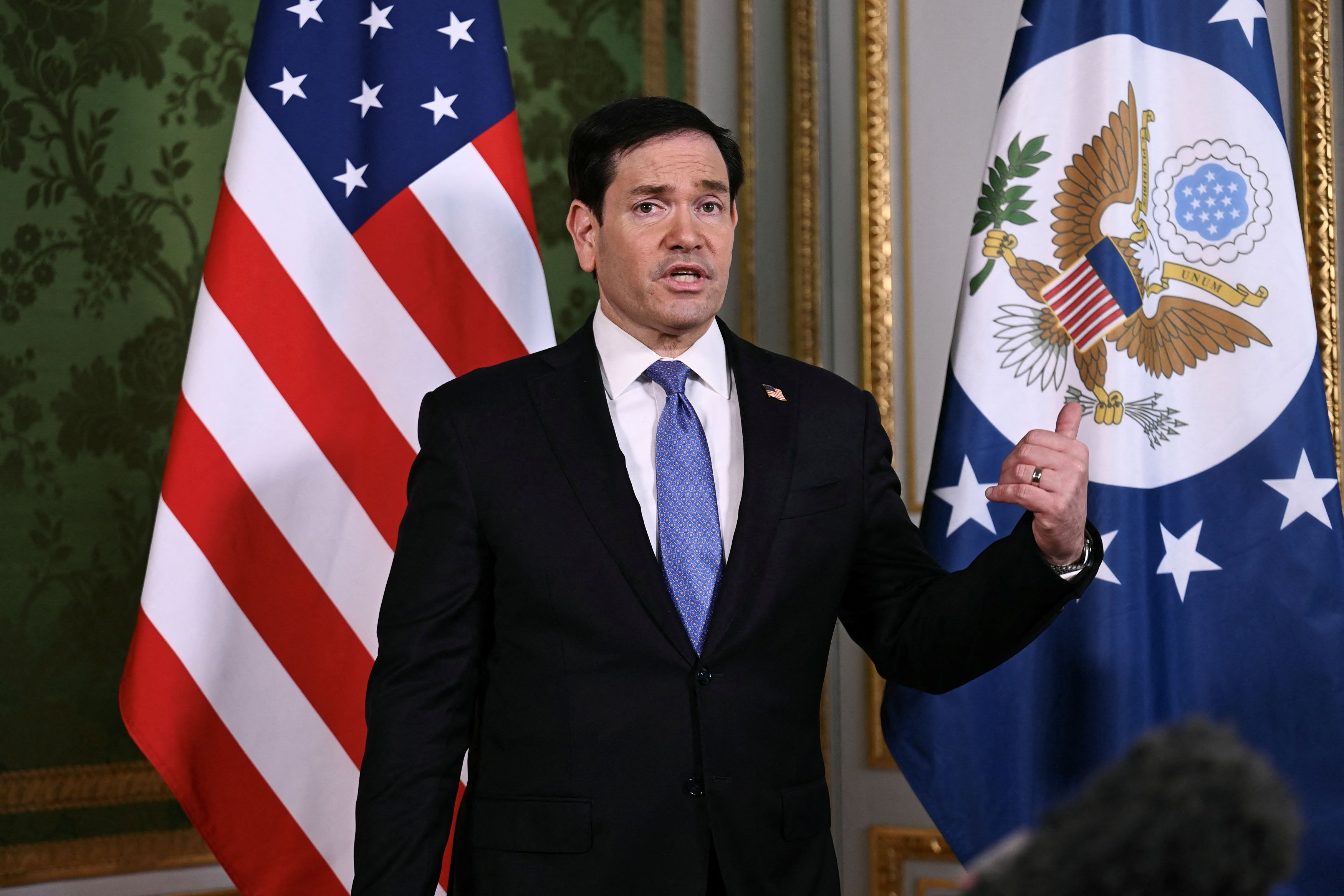
US Secretary of State Marco Rubio speaks to the press during the G7 foreign ministers summit at the George C. Marshall Center in the Hotel Talleyrand in Paris, France, November 10, 2026. BRENDAN SMIALOWSKI/Pool via REUTERS
As part of the diplomatic efforts to resolve the crisis with Iran, President Trump and Vice President Vance met on Monday with Qatar’s prime minister, Sheikh Mohammed bin Abdulrahman Al Thani, a key mediator between Washington and Tehran. Although there is no prospect of an immediate deal, the efforts appeared to intensify after the U.S. midterm elections. Attacks on both sides continue. According to Iranian state media, the United States struck Iran’s Qeshm Island overnight. Iran has attacked tankers in the Gulf and the Strait of Hormuz this month, and its Houthi allies in Yemen have struck Saudi Arabia.
Besides Iran, Ukraine was also at the top of the agenda. The G7 foreign ministers’ meeting took place ahead of three-way talks today in Abu Dhabi between Ukraine, Russia and the United States. French Foreign Minister Jean-Noël Barrot said on Sunday that officials from France, Britain, Germany, NATO and the European Commission will also be in the Emirati capital.
Giorgia Meloni
In a sign of friction among Europeans, Italian Prime Minister Giorgia Meloni warned a few days ago that Europe risks becoming irrelevant in efforts to end the war in Ukraine if member states keep pursuing separate diplomatic paths instead of agreeing on a common representative and strategy.
The diplomats painted a grim picture of the situation in Ukraine. While the front line had largely stabilized, making major developments unlikely, they warned that Russia had shifted tactics toward systematically targeting energy infrastructure in an effort to cause a nationwide blackout this winter.
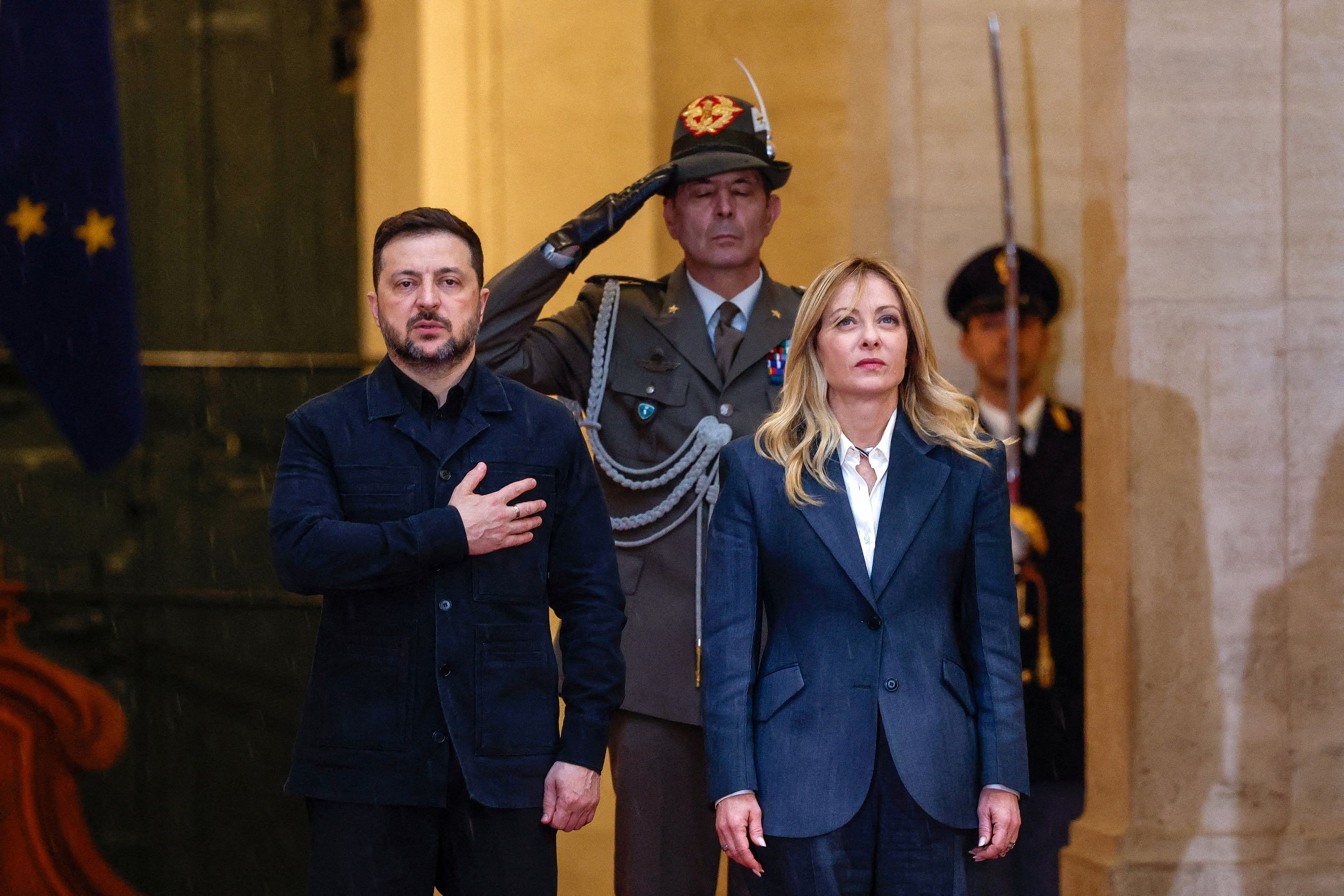
Ukraine’s President Volodymyr Zelenskiy meets Italian Prime Minister Giorgia Meloni at Chigi Palace, in Rome, Italy, April 15, 2026. REUTERS/Remo Casilli/File Photo