Most travelers to Greece know Piraeus as the gateway to the Greek islands. It’s where they hop on a ferry to the islands or arrive on a cruise. Cinema lovers may have heard of Piraeus thanks to the 1960 film classic Never on Sunday, which featured life in the port’s red-light district, and almost everyone knows Piraeus from the film’s Oscar-winning soundtrack, composed by Manos Hadjidakis.
The thing is… despite being Greece’s largest port and one of Europe’s most important maritime hubs, very few travelers consider Piraeus a destination in its own right.
That is precisely what Piraeus Mayor Yannis Moralis hopes to change.
“We want to see the port change from a stopover to a destination,” Moralis said during a tourism strategy conference held recently in Piraeus’ iconic Municipal Theater in the heart of the city.
The event brought together hoteliers, cruise executives, tourism experts, chambers of commerce and entrepreneurs to discuss the city’s future and the hurdles it faces in establishing its own distinct identity.
Moralis, who has served as mayor since 2014, insisted the city’s strategy is already bearing fruit.
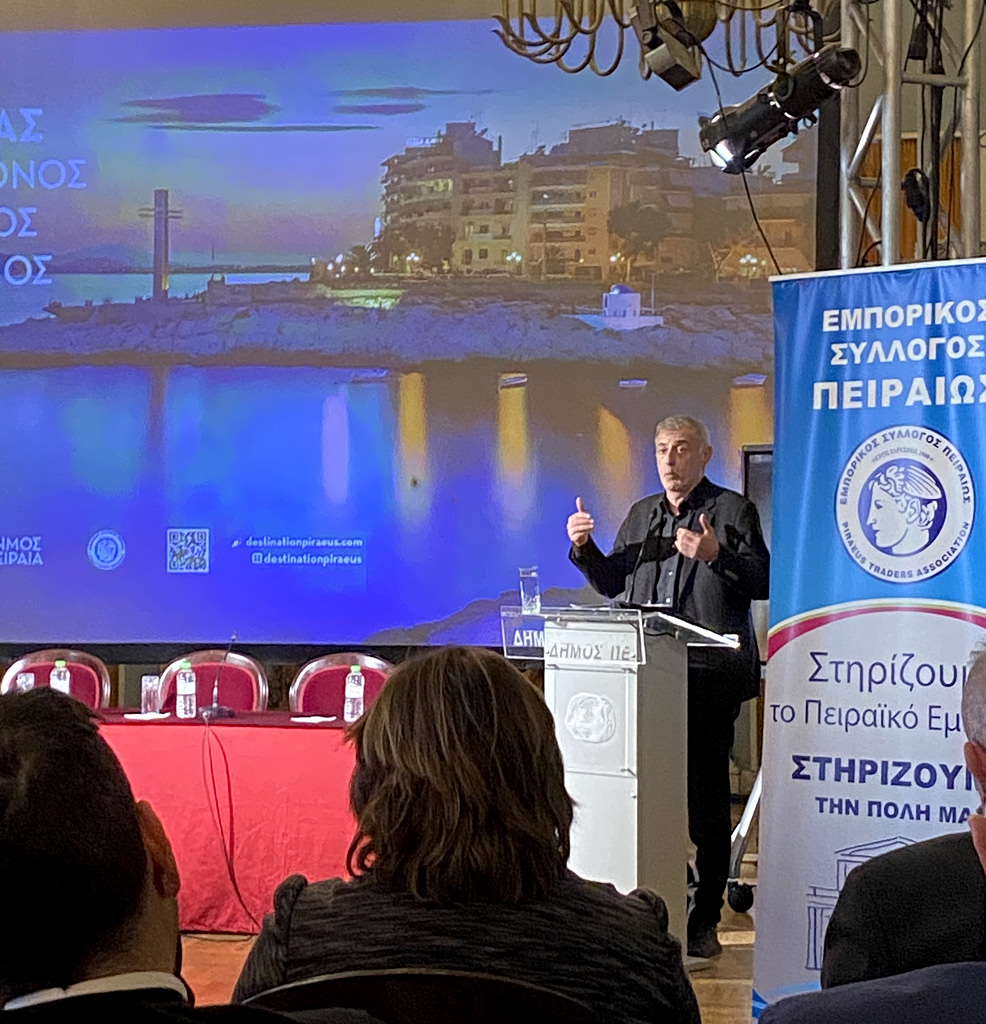
Piraeus Mayor Yannis Moralis presents the findings of a study during a tourism strategy conference held in Pireaus’ iconic Municipal Theatre.
“Since 2014, we’ve taken steps to make Piraeus visible,” he said. These include hosting dozens of cultural events, gastronomy festivals, book fairs, participating in international trade fairs, setting up the Piraeus Film Office, and making targeted investments in marketing, promotion and digital outreach. These initiatives are at the center of the city’s “Destination Piraeus” strategy, which also focuses on showcasing the city’s maritime identity and heritage.
Addressing the event, Moralis did not mince his words. He acknowledged that with growth come challenges, particularly traffic congestion and mounting pressure on city infrastructure. Still, he argued, the collaboration between public authorities and private stakeholders offers clear evidence of change and progress.
“We have a long way to go, but much has been done. The point is to acknowledge mistakes, move forward, and stick to a plan.”
For Moralis, the ultimate proof of this momentum lies in growing investor interest in the city. “The fact that investors are backing major projects in Piraeus demonstrates confidence in its future. It’s a vote of confidence,” he said.
Deputy Tourism Minister Anna Karamanli echoed that sentiment, describing Piraeus’ transformation as an opportunity not only for the city itself, but also for Greece’s broader tourism model.
A Port City with Untapped Potential
Located roughly 8km southwest of central Athens, Piraeus is home to around 163,000 residents and Greece’s largest port. It ranks among the busiest passenger gateways in the world, handling up to 20 million ferry passengers a year.
It is also a major shipping hub, managing more than 5.1 million standard shipping containers (TEUs) annually and generating more than 1 billion euros in economic activity.
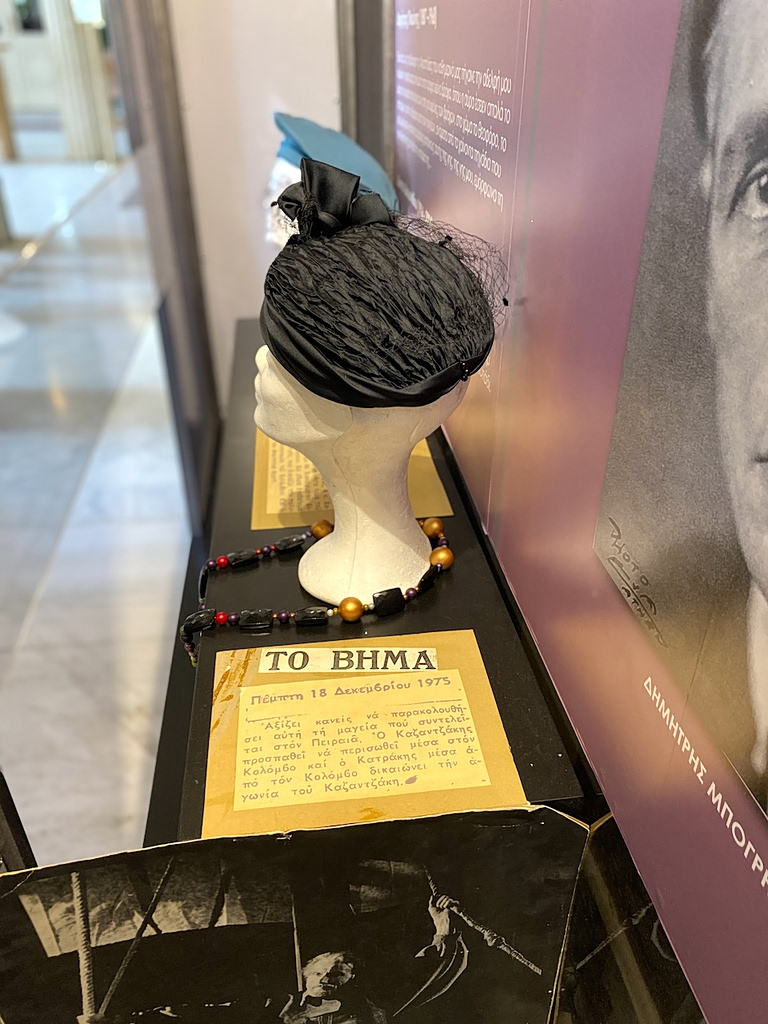
An actress’s headdress from the collection of the Municipal Theater of Pireaus, accompanied by an excerpt from a theater review published in To Vima on December 18, 1975.
Like Athens, its history stretches back to antiquity. The city was the primary naval base of classical Athens and a cornerstone of Athenian maritime power.
Today, it remains a major shipping and commercial center. Yet despite its rich maritime heritage, scenic coastline, vibrant neighborhoods, and one of Greece’s hottest contemporary art scenes, Piraeus is still overlooked by travelers, overshadowed by nearby Athens.
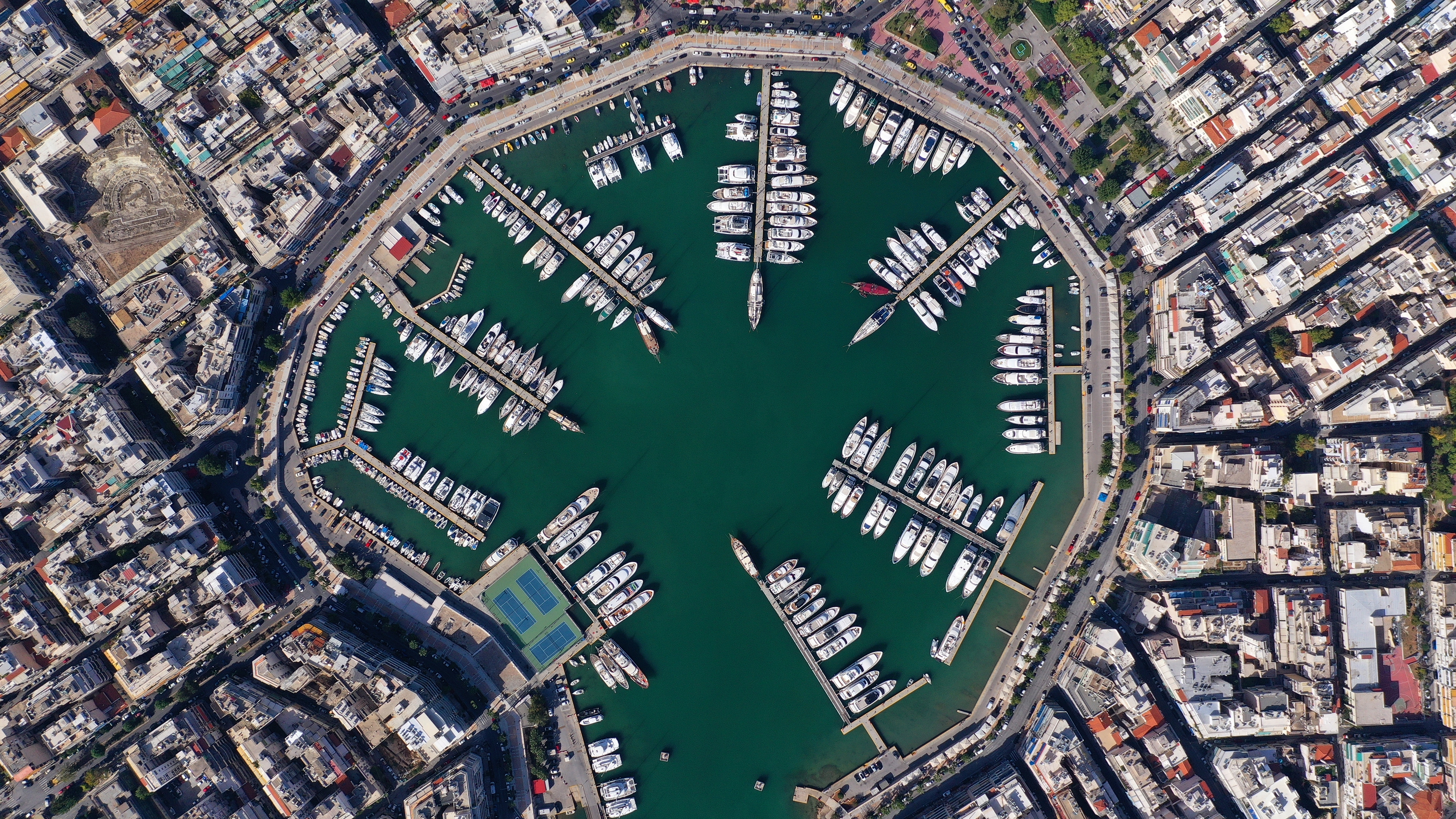
Areas like the scenic Marina Zeas and Kastella, with the picturesque Mikrolimano at its feet, all dotted with cafes, seafood restaurants, and bars overlooking the Saronic Gulf are among its main attractions. But it doesn’t stop there. The city also boasts some of Attica’s finest museums, cultural venues, shopping districts, and its pride and joy: Olympiacos, one of Greece’s most successful football clubs.
The mayor and city officials believe these assets are finally beginning to resonate with visitors. At least that’s what the latest travel metrics show. Piraeus was recently included among the “25 Best Destinations for Solo Travel in 2025” in Tripadvisor’s Travelers’ Choice Awards and recognized among Europe’s most authentic food destinations.
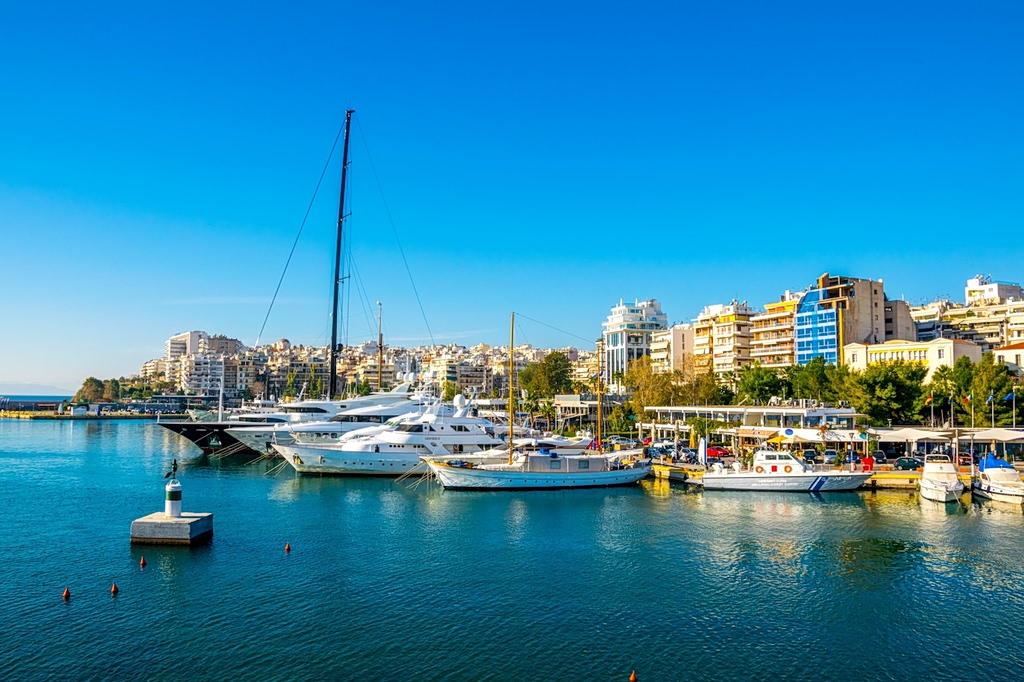
Pireaus is particularly known for its restaurants, nightlife, maritime heritage, and stunning locations.
“Piraeus has all the ingredients of a standalone tourist destination,” said Deputy Mayor for Extroversion, Tourism and European Programs Andriana Zarakeli.
“Our goal has been to create an identity, a brand, and at the same time develop activities and tourism products around the city’s many strengths–its gastronomy, nightlife, maritime heritage, cultural venues, filming locations, shopping, as well as its status as a cruise hub,” she said. The focus now, she added, is improving accessibility, functionality, and visitor services.
Piraeus: More Than a Stopover
Industry insiders attending the conference stressed that Piraeus must diversify beyond cruise tourism if it hopes to increase overnight stays and establish a stronger tourism presence and economy.
Ilias Kikilias, general manager of INSETE, the research institute of the Greek Tourism Confederation (SETE), described conference and business tourism as one of the city’s most underutilized assets. He also pointed to the future Museum of Underwater Antiquities as a potential “game changer” capable of reshaping Piraeus’ tourism profile.
According to findings presented during the event, one of the city’s biggest challenges remains the short duration of visitor stays, which average just one to two nights. Limited hotel capacity is partly to blame, although new hotels have begun opening in recent years. Another obstacle is obvious: for most international visitors, especially those visiting on a cruise, seeing the Acropolis in Athens is a top priority.
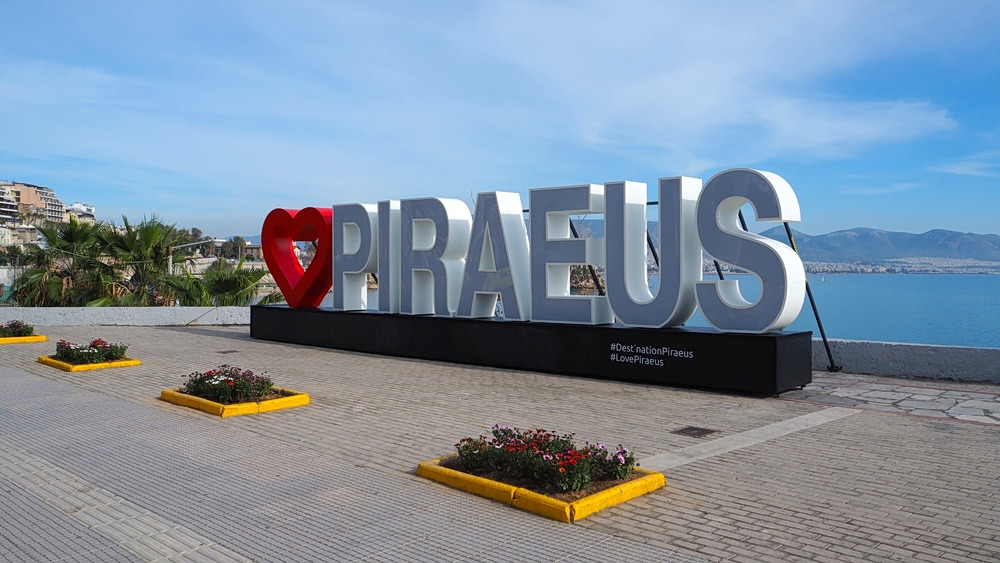
Despite being Greece’s largest port and one of Europe’s most important maritime hubs, very few travelers consider Piraeus a destination in its own right.
“How can Piraeus compete with Athens then,” one tourist agent asked during the discussion.
The answer, several speakers argued, is that it should not try to compete at all.
Nicholas Kelaiditis, chairman of the Hellenic Association of Travel and Tourism Agencies (HATTA), said Piraeus must instead focus on elements unique to the port city itself: its authenticity, maritime culture, gastronomy, nightlife, events, and shipping heritage. Tapping into new markets by offering special-interest tourism products focused on gastronomy, MICE (Meetings, Incentives, Conferences and Exhibitions), medical tourism and cruises can create opportunities, extend the tourism season, and attract higher-spending visitors.
Evgenios Vassilikos, president of the Athens-Attica & Argosaronic Hotel Association, noted that Piraeus could benefit from learning from the mistakes of other destinations now grappling with overtourism. “The priority,” he said, “must be infrastructure.”
What Visitors Actually Experience
The visitor survey conducted by the Institute of Commerce and Services (INEMY) on behalf of the Piraeus Municipality, and presented during the conference, offered a revealing snapshot of how tourists currently experience Piraeus.
Among those surveyed, 75.4% said they visited Marina Zeas, while 68% spent time in the city’s restaurants and bars, and nearly 60% explored the market and commercial center.
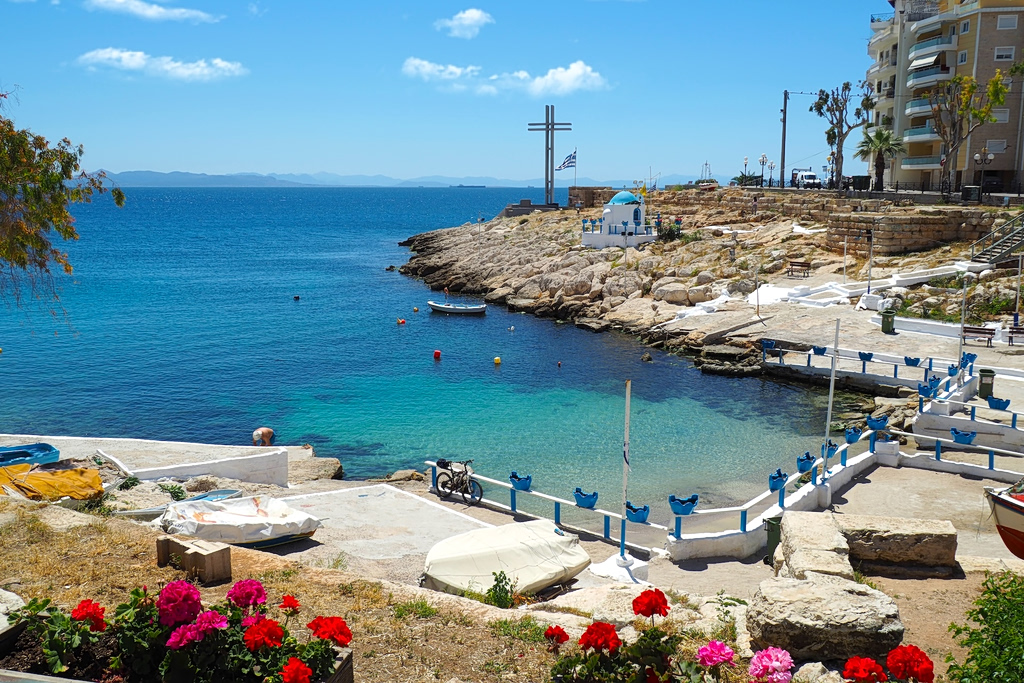
Small cozy bay of Afrodite and chapel of Saint Nicholas in Piraiki area of Piraeus as seen during springtime.
Far fewer visited cultural and heritage sites. Only 23.4% toured monuments or the Archaeological Museum of Piraeus, while art galleries, beaches and iconic neighborhoods such as Peiraiki (aka Pasalimani) and Kastella attracted relatively low visitor numbers.
The findings suggest that many travelers remain largely unaware of the city’s broader cultural and tourist offering. On a positive note, perceptions improved significantly after arrival. Nearly half of the respondents (46%) said Piraeus exceeded their expectations. Visitors highlighted entertainment, food, and waterfront areas such as Pasalimani among the city’s strongest attractions. Traffic congestion emerged once again as the biggest complaint.
Still, the results point to growing potential: 42% said they would visit again and 61% said they would recommend the city to others.
The Importance of Cruise Activity
Cruise tourism remains central to Piraeus’ ambitions. According to figures presented by the Cruise Lines International Association (CLIA), Piraeus handled 863 cruise ship calls in 2025, putting it among the world’s leading cruise embarkation hubs. The port welcomed around 1.85 million cruise passengers, with homeporting accounting for nearly 80% of total cruise activity.
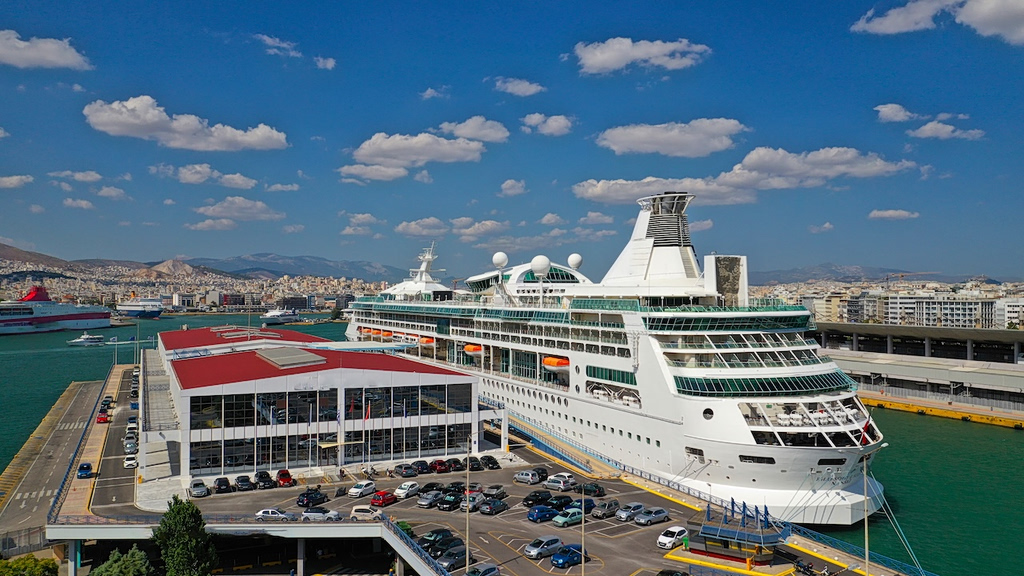
Aerial drone photo of cruise liner ship docking in Piraeus port.
Maria Deligianni, CLIA’s regional director for the Eastern Mediterranean, said the growth in homeporting has strengthened the city’s economy, with many cruise passengers staying in hotels before or after their voyages and spending on restaurants, shopping, and other tourism-related services.
At the same time, she warned that geopolitical instability in the Middle East could soften demand in the coming years, with forecasts pointing to declines in both passenger arrivals and cruise ship calls across Greece in 2026. Even so, Greece remains among Europe’s top cruise destinations, with the sector supporting an estimated 33,000 jobs nationwide.
For the Piraeus authorities, the challenge is now clear: they need to create meaningful tourism experiences that give transit passengers a good reason to stay and explore. After decades of functioning primarily as a gateway, Piraeus is now seeking to step out of Athens’ shadow and establish a tourism identity of its own. The transformation has already begun.