 Μake us preferred on Google
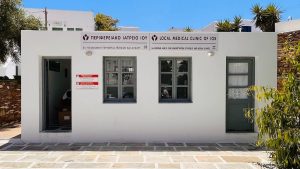
 Municipal officials on the Cyclades island of Sifnos have unveiled a new package of incentives aimed at strengthening local healthcare services and attracting specialist doctors to the island’s National Health System (ESY) facilities, underscoring the growing challenge of staffing medical positions in more remote island communities.
Under a unanimous municipal council decision, the measures will apply both to newly appointed doctors at Sifnos’ medical center and to specialists already serving on the island.
The incentives include free housing, provided in cooperation with a support foundation for the local clinic and the island’s youth association. Physicians will also receive a monthly allowance of 300 euros and two round-trip ferry tickets each month to the port serving their permanent residence.
Additional benefits include reserved parking spaces for doctors living in densely populated settlements and full coverage of utility costs, including electricity, water and wastewater services, with support from local organizations where necessary.
Municipal authorities said the same benefits will be extended to currently serving specialist physicians in an effort to improve staff retention and ensure continuity of care.
The announcement comes as healthcare provision has emerged as a growing concern on many Greek islands, where recruitment and retention of medical personnel remain difficult because of housing shortages, higher living costs and geographic isolation. Recent appeals by local officials highlighted concerns over staffing gaps at Sifnos’ medical center, including the risk of losing pediatric services for the island’s year-round population and the substantially larger numbers present during the summer tourism season.

Henri Cartier-Bresson, Sifnos, 1961. © Fondation Henri Cartier-Bresson / Magnum Photos
Separately, Greece’s health ministry has launched a recruitment process for three positions at the Sifnos facility: one director-level physician in general or family medicine or internal medicine, a second physician in the same specialties, and a director-level pediatrician.
The initiative reflects broader efforts to reinforce healthcare services across Greece’s island regions ahead of another busy summer season. While Sifnos has gained increasing international attention in recent years for its culinary heritage, hiking network and reputation as a less crowded alternative to some of the Cyclades’ better-known destinations, local officials have repeatedly argued that essential infrastructure and public services must keep pace with the island’s growing profile and seasonal population pressures.
For Sifnos, where tourism growth has brought both economic opportunities and mounting demands on local resources, securing stable medical coverage has become a priority not only for permanent residents but also for the thousands of visitors who arrive each year. Recent efforts by municipal authorities and health officials to secure additional staffing and financial incentives reflect a broader recognition that attracting doctors to island communities increasingly requires support that extends well beyond salary levels alone.