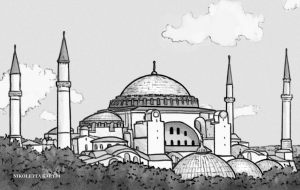
On this day, May 29, 1453, Constantinople fell to the Ottomans. The capture of the city marked the end of the Byzantine Empire and reshaped the course of world history. For Greeks, however, it became something far more enduring than a historical turning point: a wound etched into collective memory, transformed over centuries into a national lament.
“Never begin anything on a Tuesday,” wrote British Byzantinist Steven Runciman in TO BHMA on May 29, 1953, during the 500th anniversary commemorations of the Fall of Constantinople.
“Tuesday is, for Greeks, the most ill-omened day of the week,” he observed. “Among city dwellers, few are able to explain the true origin of the superstition. But the villagers of Greece, who possess a longer memory, know well that Tuesday, May 29, 1453, was the day the City fell into Turkish hands.”
For Runciman, the belief revealed “how deeply the loss of the Queen of Cities marked the national consciousness of the Greeks.”
In the same issue, the newspaper published a strikingly different testimony: a vivid popular account of the siege based on a 16th-century Greek manuscript preserved in the Vatican Library. Written in direct, unembellished language, the chronicle captures not only the military drama of the final days, but also the fear, desperation and endurance inside the besieged city.
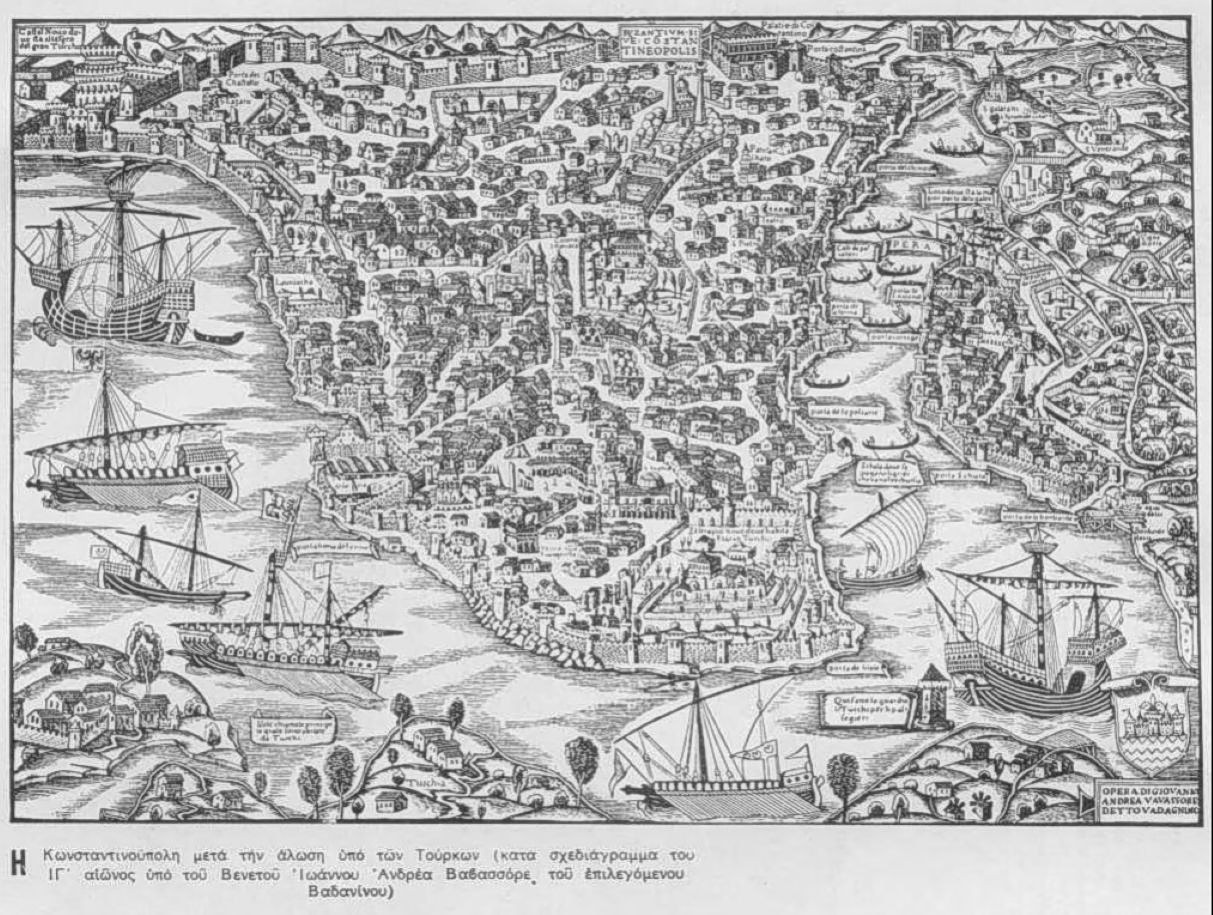
The anonymous author begins with Sultan Mehmed II, describing how the young ruler initially spread rumors that he intended to march against Hungary before suddenly turning toward Constantinople. The Byzantine emperor, Constantine XI Palaiologos, is portrayed as a courageous and formidable leader, “likened to a dragon” for his bravery and strength.
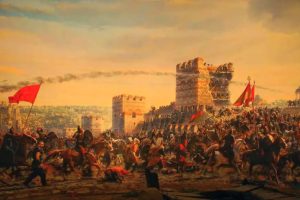
As the Ottoman forces closed in, the city was encircled from every side. Day and night, the attackers battered the walls while the defenders fought back with fire, gunpowder and desperate resolve. The manuscript describes towering wooden siege structures clad in hides to resist flames, trenches filled in preparation for an assault, and improvised engines brought against the ancient fortifications.
Particularly dramatic is the account of the Ottoman fleet entering the Golden Horn after being hauled across land, bypassing the great chain that protected the harbor. The sight, the chronicler writes, spread terror throughout the city. Attempts by the Byzantines to destroy the ships soon descended into brutal reprisals, with executions carried out on both sides before the eyes of soldiers and civilians alike.
Yet the narrative also lingers on life within the starving city. Constantine XI appears not only as a commander but as a ruler struggling to hold together a collapsing defense with dwindling resources. According to the manuscript, he pleaded “with tears in his eyes” for loans from wealthy citizens in order to recruit fighters, but many refused. Meanwhile, the emperor himself organized the distribution of bread among the population, painfully aware that two things were running out: time and money.
After 52 days of siege, the account reaches the final night — May 28 into May 29. Mehmed promised his troops three days of plunder if the city fell. Inside Constantinople, the defenders turned instead to prayer. Barefoot processions carrying holy icons moved along the walls and through the streets as men, women and children confessed their sins and prayed for deliverance.
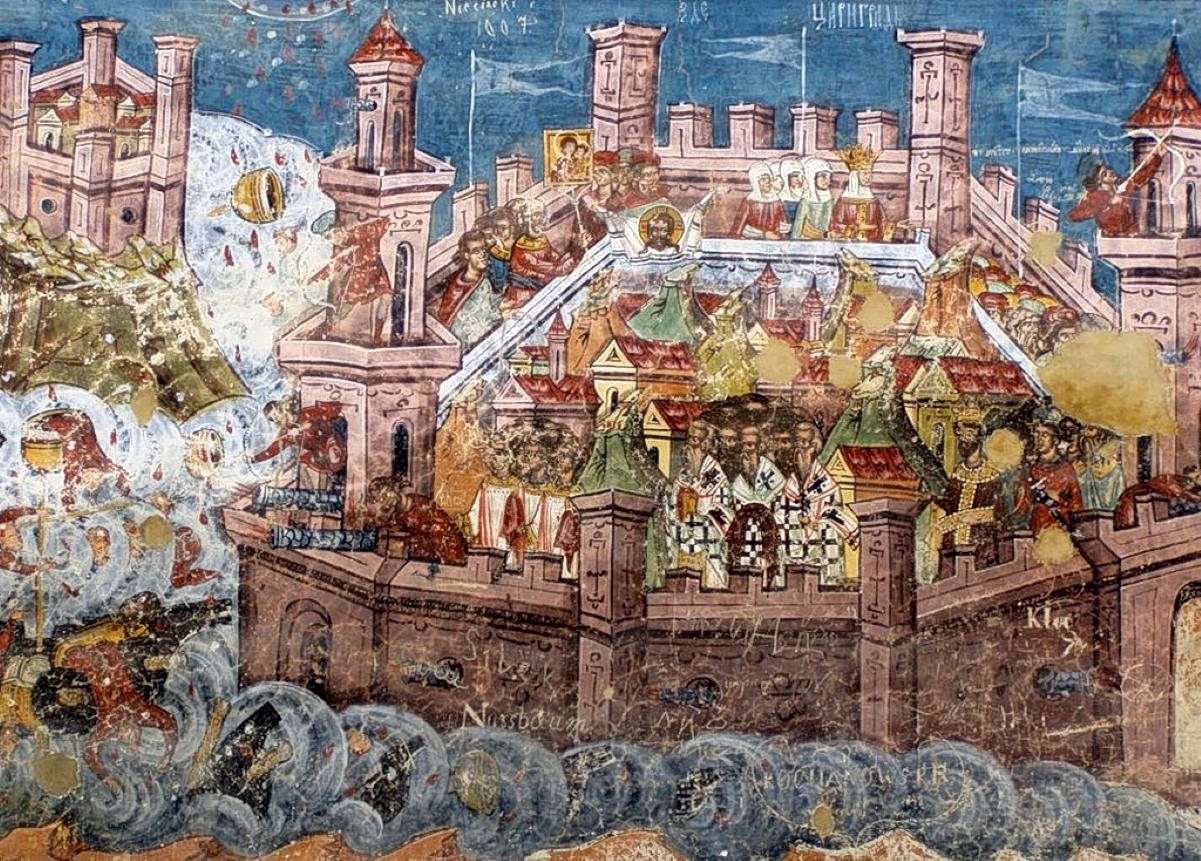
Then came the emperor’s final address to his nobles and soldiers.
At midnight, the last assault began.
“The Romans resisted bravely until dawn and the rising of the sun,” the manuscript recounts.
But eventually the defenses broke.
“The Turks climbed one of the towers and poured into the city like a swelling sea driven by fierce winds — like an innumerable swarm of bees — rejoicing greatly.”
With those moments, Byzantium passed into history. Yet for centuries afterward, the memory of the City’s fall would continue to echo through Greek consciousness — not simply as the collapse of an empire, but as the loss of a world.